Hope does not arrive in a single night, no matter how bright that night feels. The 2026 midterm results delivered something many of us had forgotten the shape of: collective relief. Left-leaning and progressive voters watched a blue wave sweep across the country, carrying historic wins for female, POC, queer, millennial, and Gen Z candidates. It was a rebuke, a celebration, a moment to exhale. But euphoria is not a strategy. Healthcare premiums are projected to rise. The next wave of the One Big Beautiful Bill will take effect in the new year. Things are expected to get worse before they get better. That is not pessimism; it is the quiet work of staying awake. We have to hold the hope that outlasts a scroll.
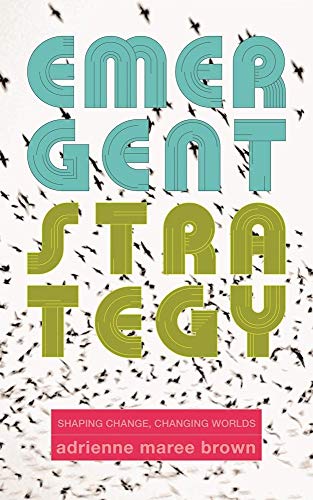
Reading has become our anchor through the noise, and this Nonfiction November, we have curated a list of books that do not ask you to look away. They ask you to look closer. Emergent Strategy: Shaping Change, Changing Worlds by adrienne maree brown offers a framework for adapting to chaos through small, intentional actions. Mutual Aid: Building Solidarity During This Crisis (and the Next) by Dean Spade turns inspiration into practical worksheets and exercises for starting or sustaining community networks. The Serviceberry: Abundance and Reciprocity in the Natural World by Robin Wall Kimmerer presents a communal alternative to a capitalist scarcity mindset, rooted in Indigenous wisdom. These are not escapes. They are blueprints. Each one reminds us that power is not only held by the elites who steer the country toward fascist politics, but also by the local activists, the mutual aid groups, and the people who show up.
We are not suggesting you replace political engagement with reading. Stay informed. Stay involved. But do not let the weight of unjust systems crush your ability to imagine something better. That is the deeper purpose of this list. Naomi Klein and Astra Taylor's End Times Fascism: and the Fight for the Living World begins as a bummer, it lays out the worldview that aligns far-right extremists with tech billionaires, but it ends with recommendations for fighting back. Stacey Abrams' Our Time Is Now: Power, Purpose, and the Fight for a Fair America explains the mechanics of voter suppression and offers a roadmap for ensuring every American voice is heard. And for those who need a celebration of fierce, independent women in the age of tradwives, Mona Chollet's In Defense of Witches traces the line from historic witch trials to the ongoing persecution of women who refuse patriarchal norms. These books do not promise easy answers. They promise company and direction.
The concrete takeaway is this: pick one book from this list before the new year. Read it with a pen. Mark the passages that feel like a mirror or a map. Then ask yourself what small action you can take with that knowledge, whether it is joining a mutual aid network, attending a local organizing meeting, or simply re-reading Station Eleven to remember that survival is insufficient, but art and love survive anyway. The blue wave was real. The work of building something that lasts begins now.