7 Independent Brands To Know This New York Fashion Week
Our take
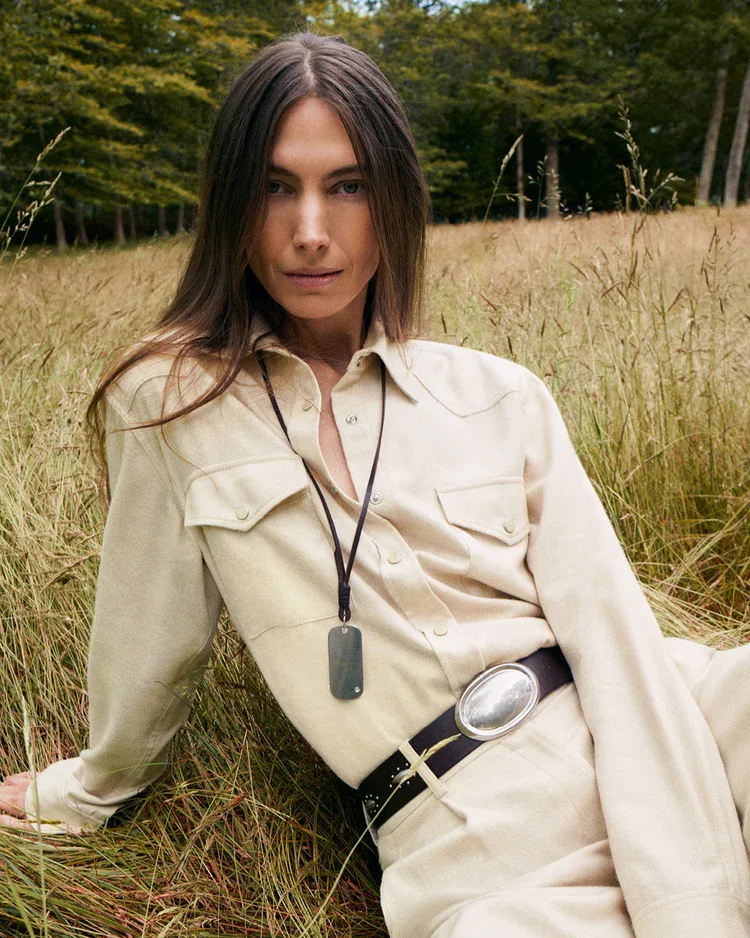
The resurgence of independent brands taking center stage at New York Fashion Week isn't merely a trend; it's a significant recalibration of the industry's priorities. The article highlighting seven rising labels – Aisling Camps, TWP, Lii, and others – speaks to a growing desire for authenticity and intentionality in fashion, a stark contrast to the often-frenzied pace of established houses. We've seen this shift reflected in broader conversations around sustainability, as evidenced by articles like [Michelle Ochs & Janet Mandell Launched A New Sustainable Fashion Archive], demonstrating a move towards valuing longevity and circularity over fleeting trends. Consumers, particularly those attuned to a more discerning aesthetic, are actively seeking out brands that offer a narrative beyond just clothing—they crave a connection to the maker, the process, and the ethos behind the design. This is where these independent labels truly shine, carving out distinct identities rooted in craftsmanship and a clear point of view.
The momentum behind these brands follows directly in the wake of labels like Diotima and Zankov, who successfully cultivated devoted followings by prioritizing quality, unique design, and a strong brand narrative. The success of these earlier pioneers created a fertile ground for a new generation of designers to flourish, proving that a loyal customer base can be built on more than just marketing spend. It's also noteworthy how street style continues to validate this shift, as observed in [I’ve Been Street Style Spotting—Stylish New Yorkers Are Living In These Dress, Shoe and Accessory Trends], showcasing a preference for considered, individual style over mass-produced trends. The discerning New Yorker, often a bellwether for global fashion sensibilities, is embracing these smaller labels, signaling a broader cultural embrace of intentionality and quiet luxury. Even color palettes are reflecting this shift, as demonstrated by articles like [Don't Default to Black—These Colors Look Even Better With Burgundy], showcasing a move away from stark minimalism and towards more nuanced, emotionally resonant aesthetics.
What's particularly compelling about this wave of independent brands is their ability to communicate a distinct sense of self without resorting to overt branding or aggressive marketing tactics. They understand that the most effective form of promotion is to create a compelling world—a visual and emotional landscape that resonates with their target audience. This aligns perfectly with the ethos of quiet luxury, a concept that prioritizes quality, craftsmanship, and understated elegance over ostentatious displays of wealth. It’s about imbuing clothing with a sense of timelessness and purpose, allowing the design to speak for itself. This approach requires a deep understanding of one's customer and a commitment to delivering a product that reflects their values and aspirations—a philosophy that feels increasingly relevant in a world saturated with fast fashion and fleeting trends.
The long-term implications of this movement are significant. As consumers continue to demand more from their fashion choices – transparency, ethical production, and a tangible connection to the brand – independent labels are poised to thrive. The established houses will undoubtedly take notice, and we can expect to see a greater emphasis on sustainability, craftsmanship, and storytelling within their own collections. The question now becomes: how will these smaller brands maintain their authenticity and independence as they scale? Can they navigate the challenges of growth while preserving the core values that initially attracted their loyal following? The next few seasons of New York Fashion Week will be crucial in answering that question and will undoubtedly reveal which of these rising stars have the staying power to shape the future of fashion.
Each season at New York Fashion Week, dozens of established and emerging brands present their collections for the world to see. After massive post-pandemic growth for labels like Diotima, Zankov, Colleen Allen, and Tanner Fletcher, the industry has its eyes on the city’s next class of independent creatives. And while we’re all excited for the return of heavyweights like Tommy Hilfiger, Coach, Ralph Lauren, and Michael Kors, there’s plenty of new names with innovative and impressive ideas to discover ahead of the week’s show schedule.
Many designers of the new guard specifically emphasize quality over quantity in their businesses, releasing smaller capsules crafted locally, by hand, or with organic and upcycled materials. They’re equally particular about how often they launch new products, show during Fashion Week, and dress celebrities. With their wide variety of aesthetics and backgrounds, these indie brands have all become ones to watch before their new collections walk the Spring 2027 runways.
Plus, with indie designers Henry Zankov and Rachel Scott becoming the new leads at Diane von Furstenberg and Proenza Schouler, respectively, you also never know who could be fashion’s next legacy talent. Each rising star offers something unique — from Aisling Camps’ slow-made knits to Lii’s ‘90s-inspired separates, TWP’s elevated essentials, and more. Discover them all below.
TWP
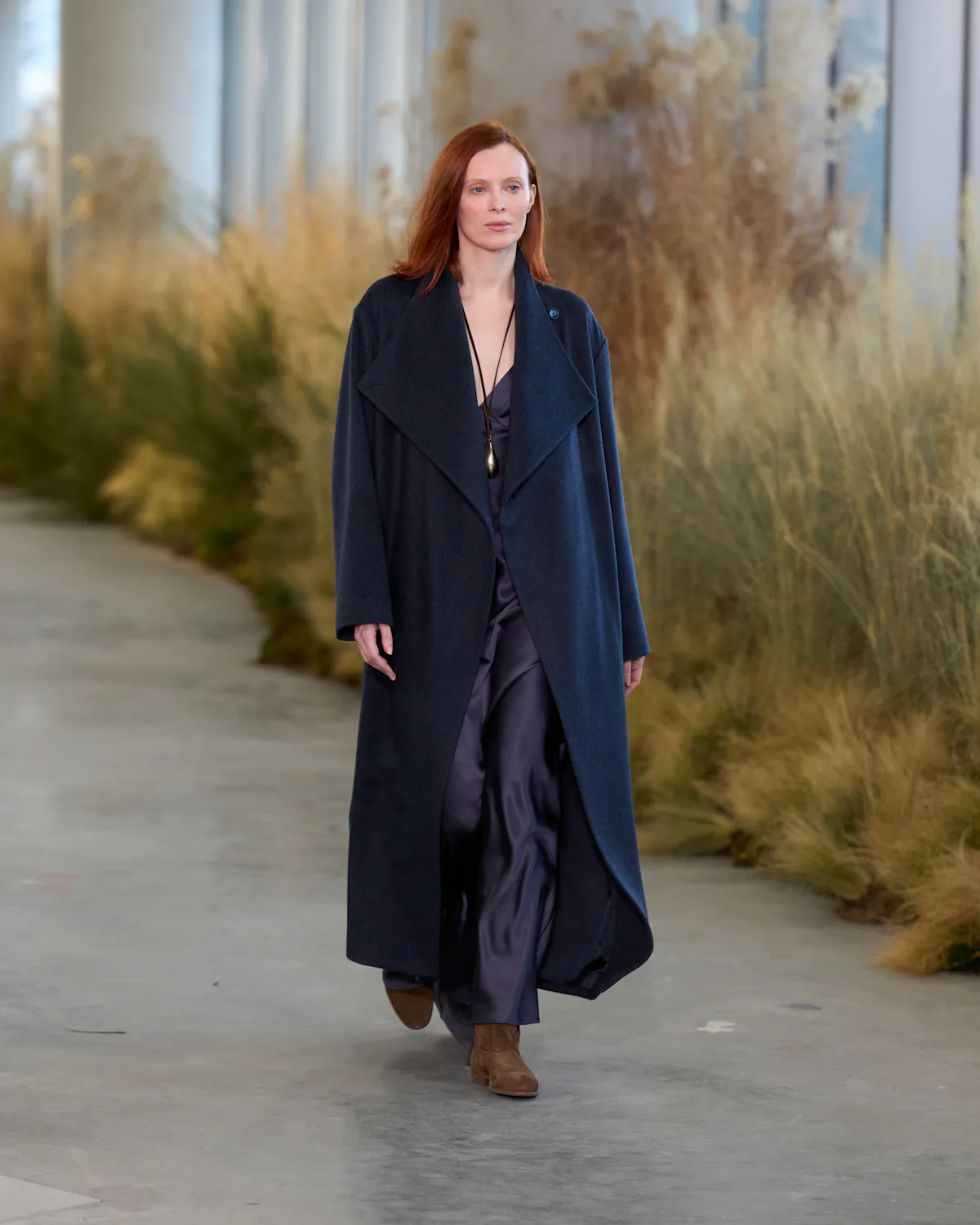
Since Trish Wescoat Pound founded TWP in 2021, the brand has amassed a cult following for its Midwest-inspired designs, including its oversized shirts and versatile coats. This year, TWP also launched its handbag category and dressed major stars like Helena Christensen, Martha Stewart, and Lily Aldridge.
Vettese
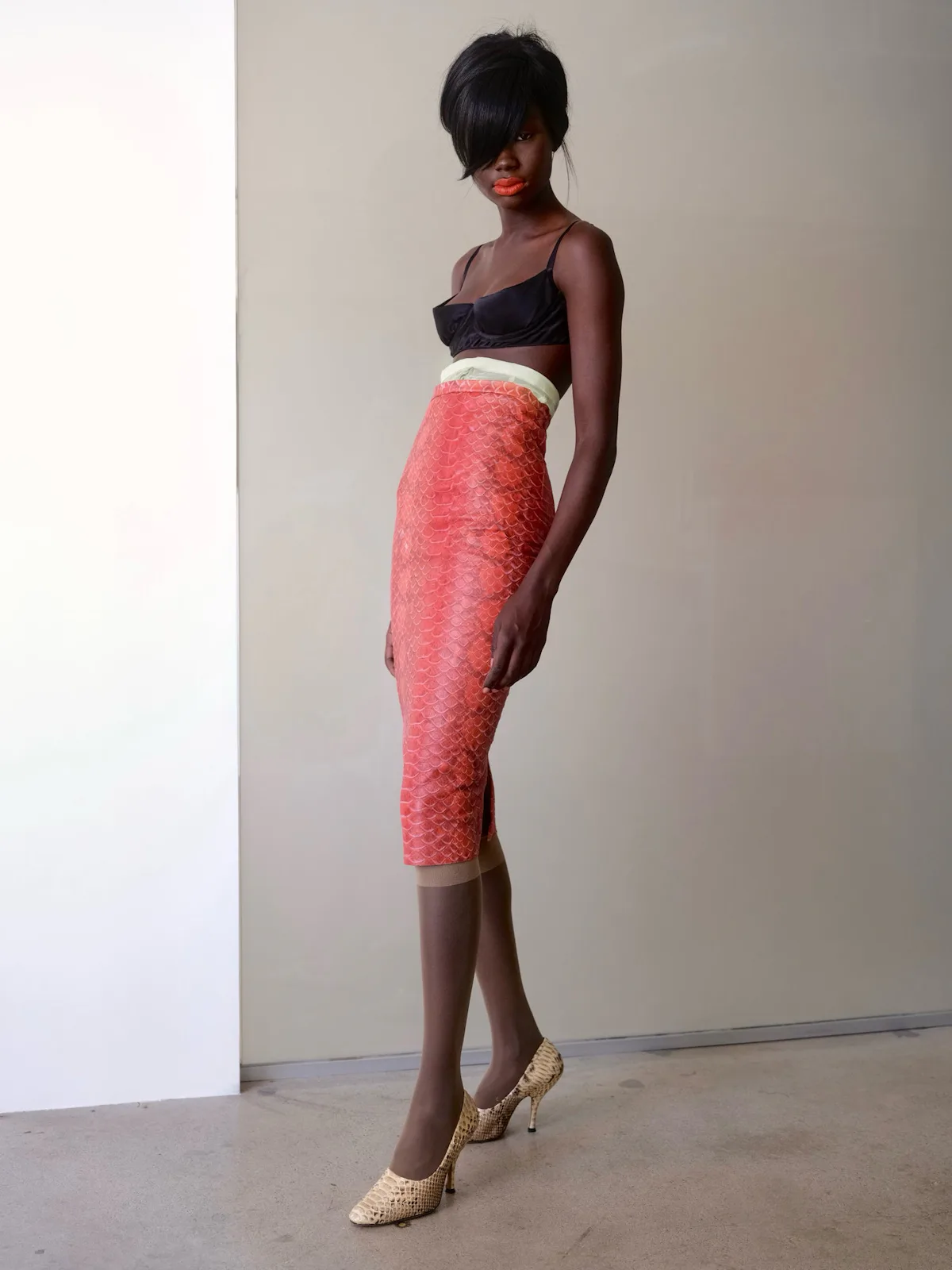
Based in Los Angeles, Vettese was founded in 2023 by Kari Vettese, inspired by her Italian heritage. The designer’s women’s and men’s collections typically include details like raw hems, sheer fabrics, and balloon-style cuffs. The same focus on fit is seen in the brand’s Vettese Body essentials, as well as its Vettese Tubes line of multi-wear pieces made from knotted fabric strips.
Lii
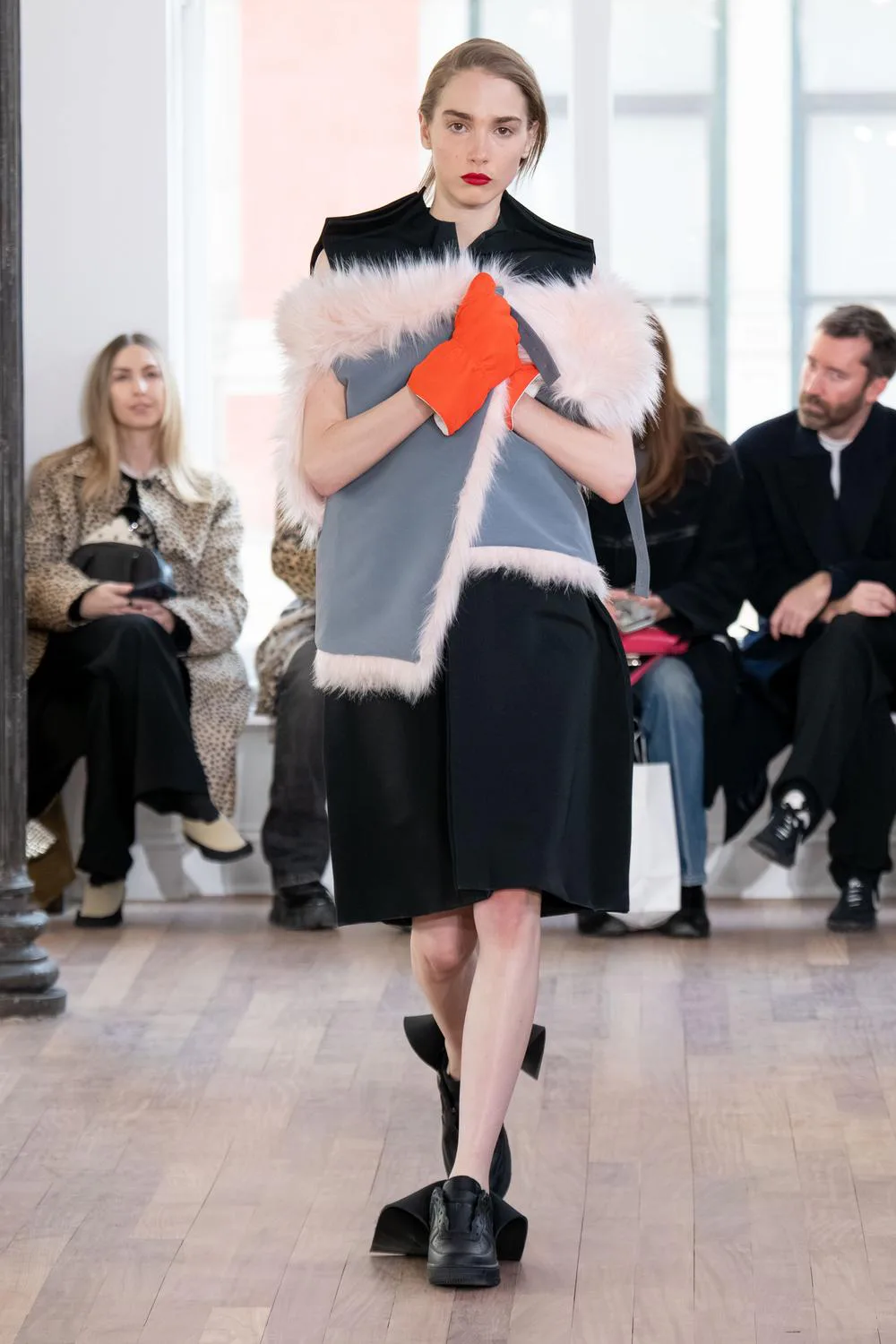
Zane Li launched his brand Lii in 2023 shortly after graduating from the Fashion Institute of Technology. Three years in, his minimalist pieces are defined by simple yet striking details like folded textures and color-blocked faux fur. The designer’s September runway show will mark his first NYFW anniversary since making his debut on the calendar in 2025.
Aisling Camps
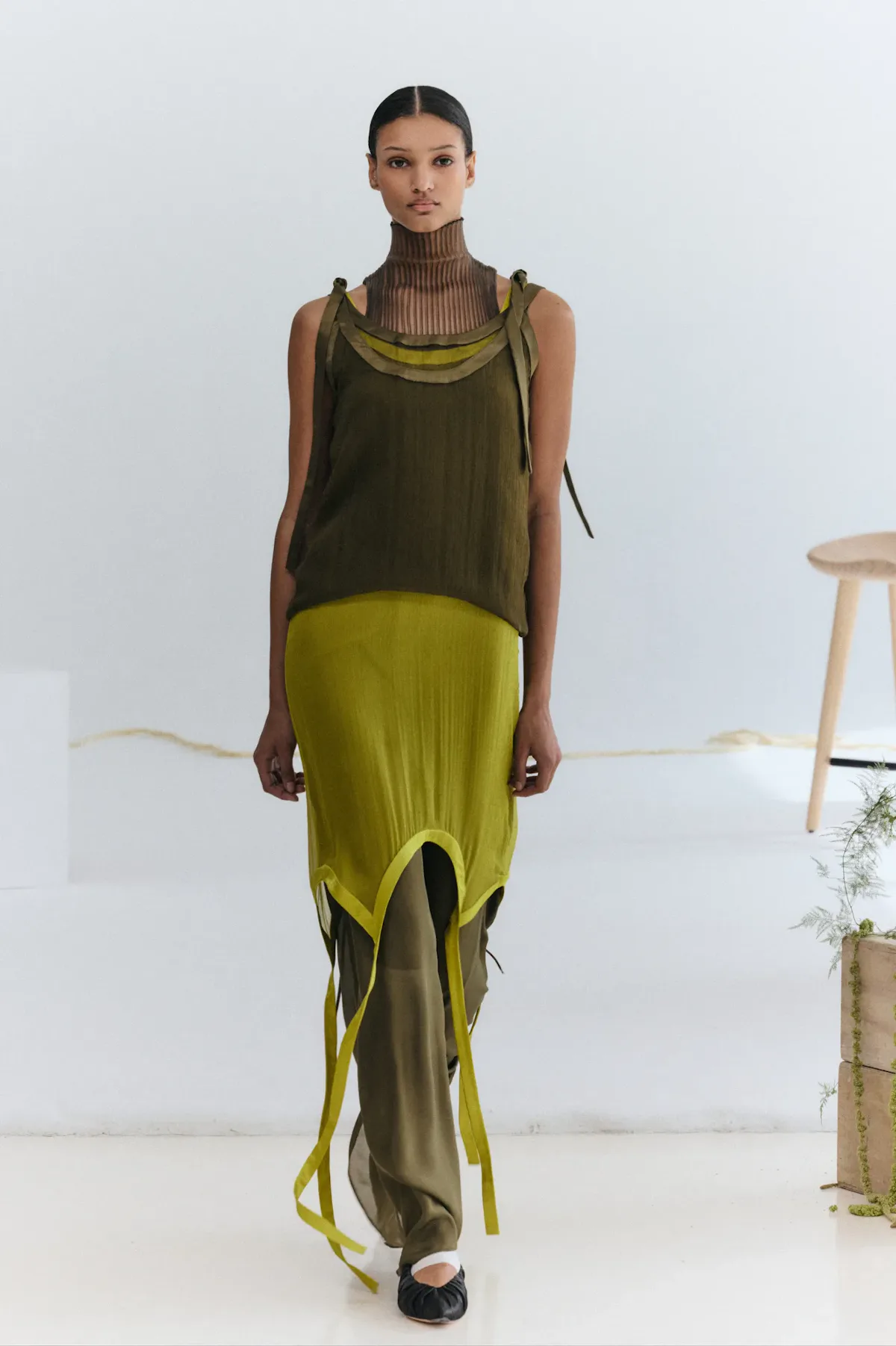
Aisling Camps is one of the rare success stories from a designer who didn’t start in fashion. Instead, Camps came to FIT after earning her mechanical engineering degree. Once she moved back to her home country of Trinidad, Camps began working with local designers and started her own brand. Ten years later, she only makes pieces by hand or outsources to Italian family-owned factories to create her signature knitwear. Camps’ slow-fashion practices earned her the first Fashion Trust U.S. award for ready-to-wear in 2023, as well as a finalist spot for the CFDA’s first Empowered Vision Award.
Zoe Gustavia Anna Whalen
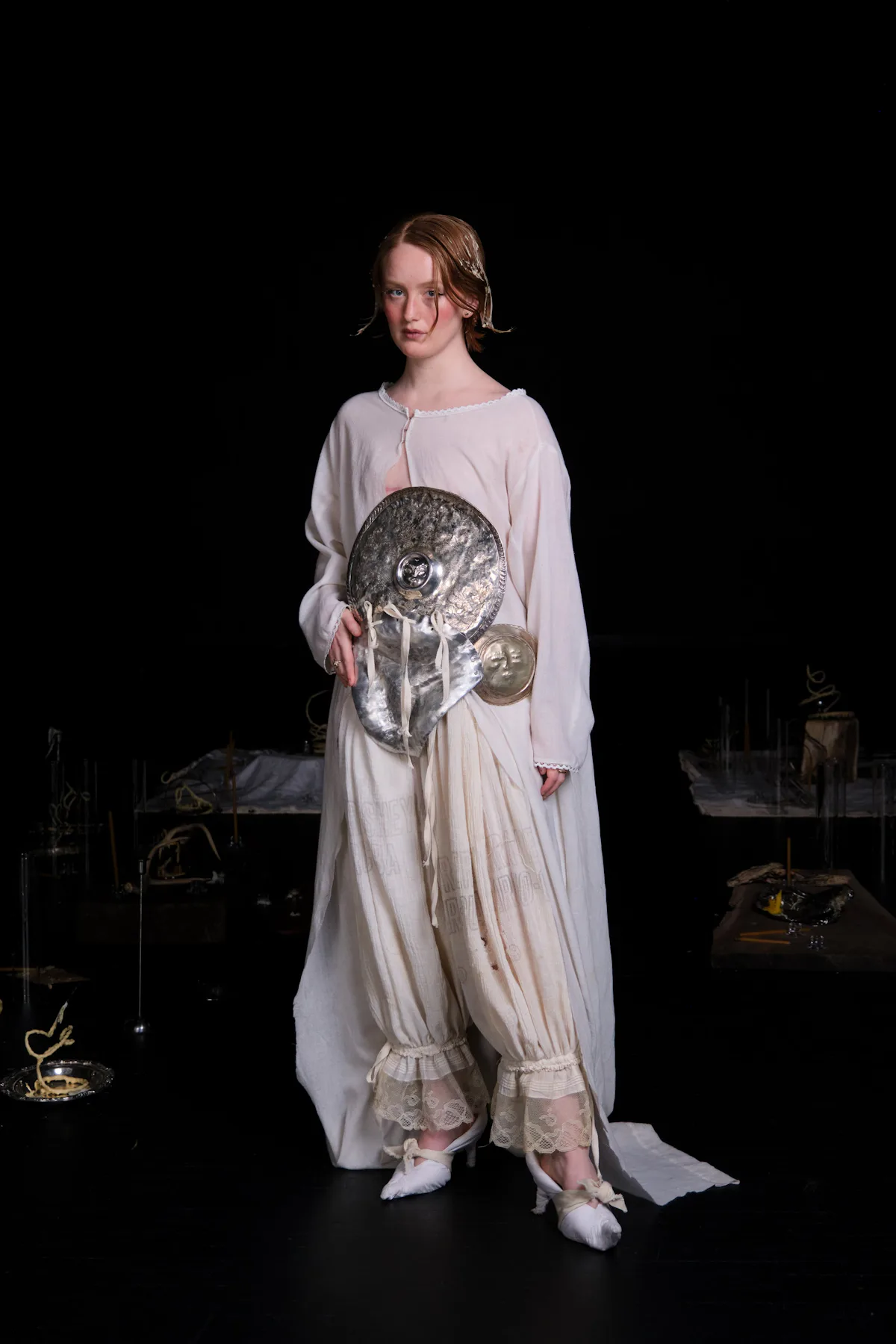
In 2022, Zoe Gustavia Anna Whalen launched her namesake brand with a focus on sustainability. The brand specifically uses upcycled fabrics like deadstock linens, quilts, and vintage textiles in its limited collection drops. It’s a clever production model for Whalen, who also became a finalist for the CFDA/Vogue Fashion Fund this year.
6397
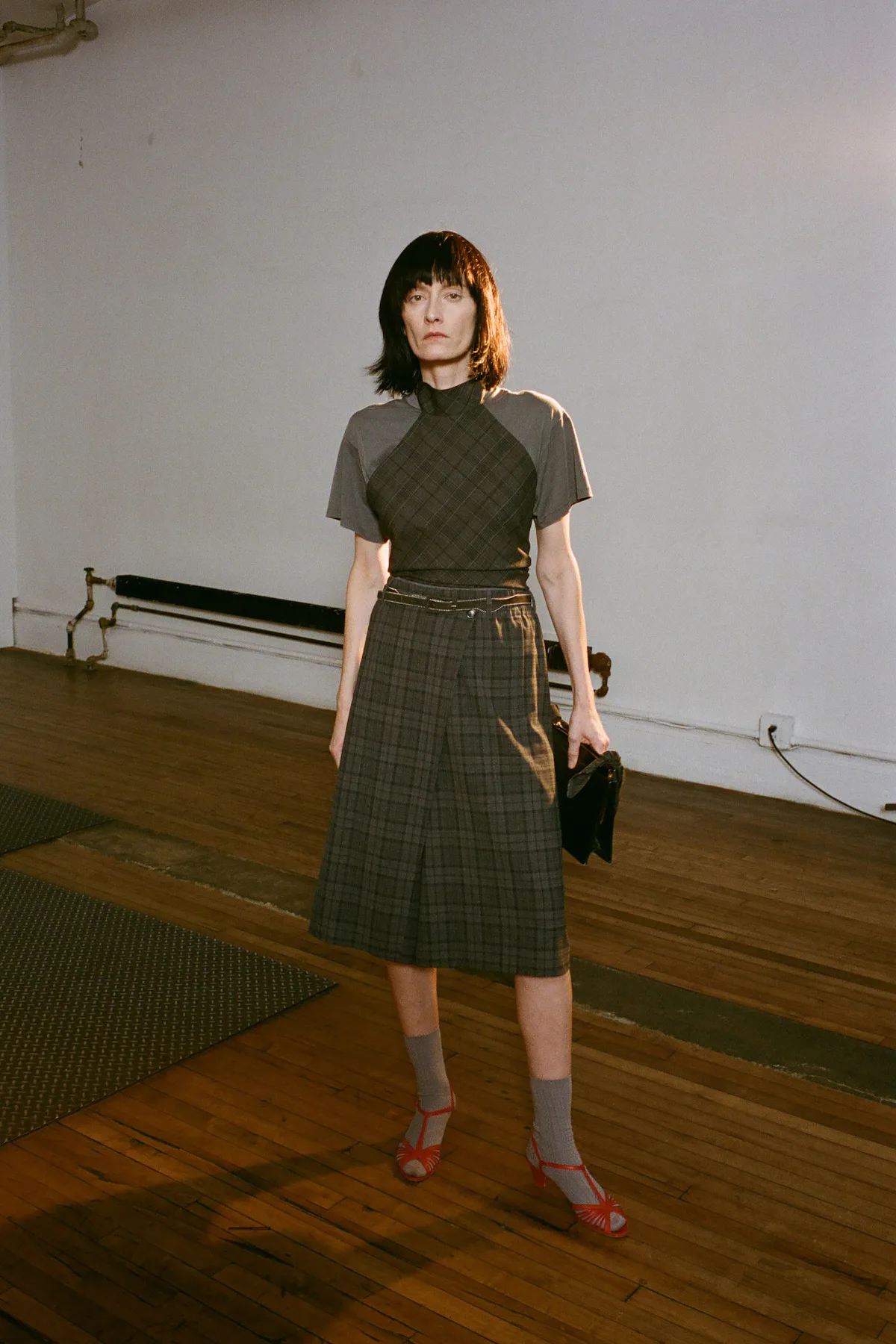
Stella Ishii founded 6397 with a focus on counterculture and youth. Pieces like her twisted seam dresses, collared blouses, and single-toned T-shirts and trousers are all meant to be mixed and matched. However, the brand isn’t just skilled at capsule dressing, as proven by its nostalgic flight jackets, sweater vests, and “worn-in” cargo pants.
Tyler McGillivary

If you’re on Instagram, you’ve seen Tyler McGillivary’s Y2K-inspired designs in your feed. Since her first collection launched in 2019, the designer has become known for playful pieces like her flounced dresses and graphic tops, often covered in nature-inspired prints. McGillivary’s colorful silhouettes have also led her to dress musicians including Madonna, Charli XCX, SZA, and Addison Rae, to name a few.
Read on the original site
Open the publisher's page for the full experience