There is something deeply satisfying about a beauty trend that feels less like a performance and more like a return to self. The cashmere makeup look, as interpreted from the Autumn/Winter 2026 runways of Ottolinger, Akris, Shiatzy Chen, and Situationist, is exactly that: a quiet recalibration. It asks nothing of you except presence. Where summer trends demanded brightness and exposure, this one wraps the face in a blurred, velvety softness that mirrors the weightless warmth of a cashmere knit. It sits between matte and dewy, refusing the extremes of either, and in doing so, it achieves something rare: a finish that feels like skin, but better. For those of us who spent the long heatwaves stripped back to the bare minimum, this is not just a seasonal shift; it is a permission slip to slow down and build something deliberate on our own terms. And it pairs naturally with the refined sensibility we have been celebrating elsewhere, whether in Over 50s Are Choosing This Refined Winter Trouser Over Denim or The Quiet Power of a Shirt That Needs No Gimmicks.
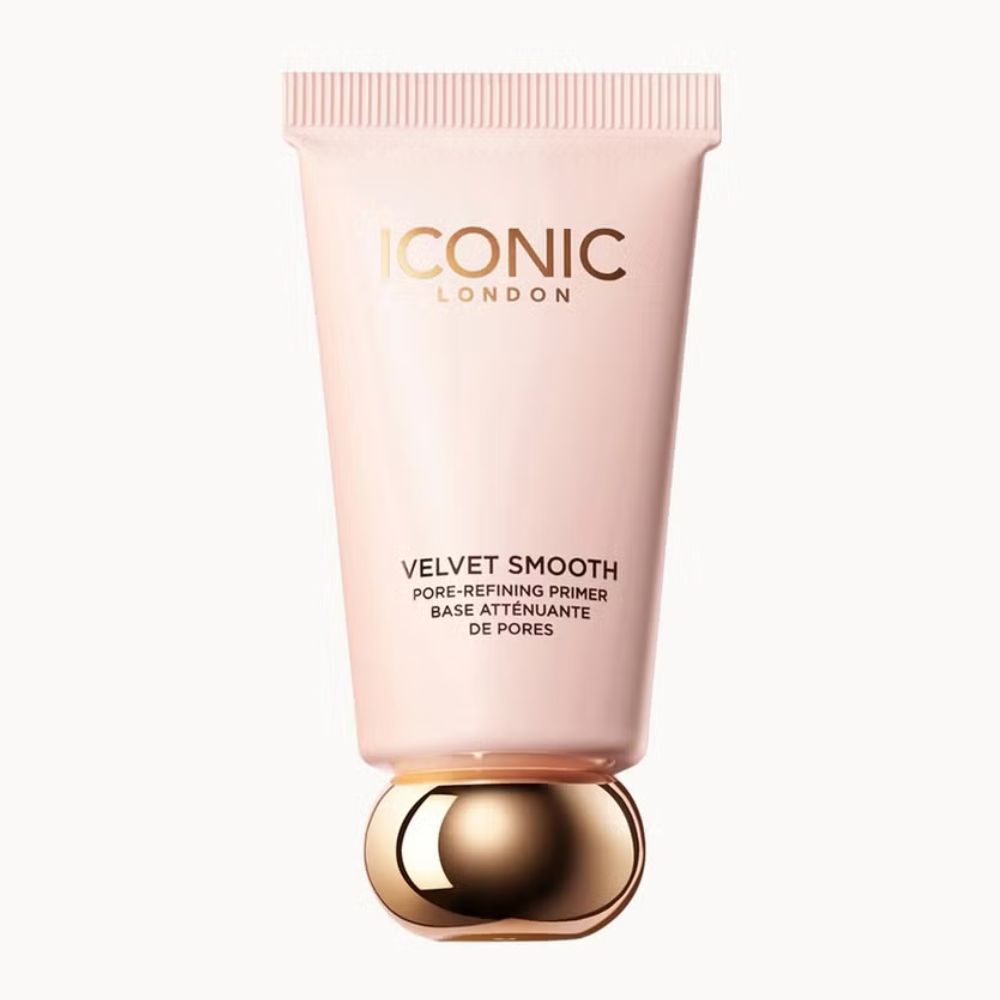
The beauty of this look, and why we find ourselves drawn to it so instinctively, is that it does not rely on drama. It relies on texture. The foundation from Dior, infused with hyaluronic acid and niacinamide, builds a soft-matte base that blurs imperfections without flattening the face. The Chanel concealer smooths the under-eye into an airbrushed finish. The Refy powder cools the skin as it sets, blurring pores without the dryness that often comes with heavy formulas. And the MAC blush in Film Noir Buff, a rich chocolate brown rather than a rosy pink, brings warmth without announcing itself. These are not products that scream for attention; they are products that understand the assignment: to create a cohesive, tonal landscape that feels intentional. Even the Danessa Myricks Groundwork palette, with its beige and brown shades available in both pomade and powder, can be used across eyes, lips, and cheeks for a look that is polished without being fussy. The effect is not about correction; it is about suggestion.
What this trend understands, and what makes it feel like a natural evolution for beauty in 2026, is that luxury is often about what you choose to leave out. The cashmere makeup routine strips away shimmer, removes harsh lines, and resists the urge to layer pigment until it reads as heavy. It trusts the skin beneath. It trusts the person wearing it. This is a look that asks for a certain kind of confidence: the confidence to let a single, muted blush do what a full contour would have done five years ago. The confidence to accept that a brown mascara keeps the eye tonal without the sharpness of black. It is a beauty philosophy that aligns with the same understated power we explored in The Blush That Brings Your Skin's Natural Warmth to Light, where the goal is never to mask, but to coax forward what is already there.
Our one clear takeaway is this: the cashmere makeup look rewards the patient. It will not work with rushed application or the wrong prep, especially on dry skin, as the primer and foundation both require targeted hydration to perform their best. But the payoff is a finish that feels like a second skin rather than a mask, and that is worth the extra moment of care. The question it leaves us with is not about products, but about approach: what else in our winter routines could benefit from the same quiet precision?