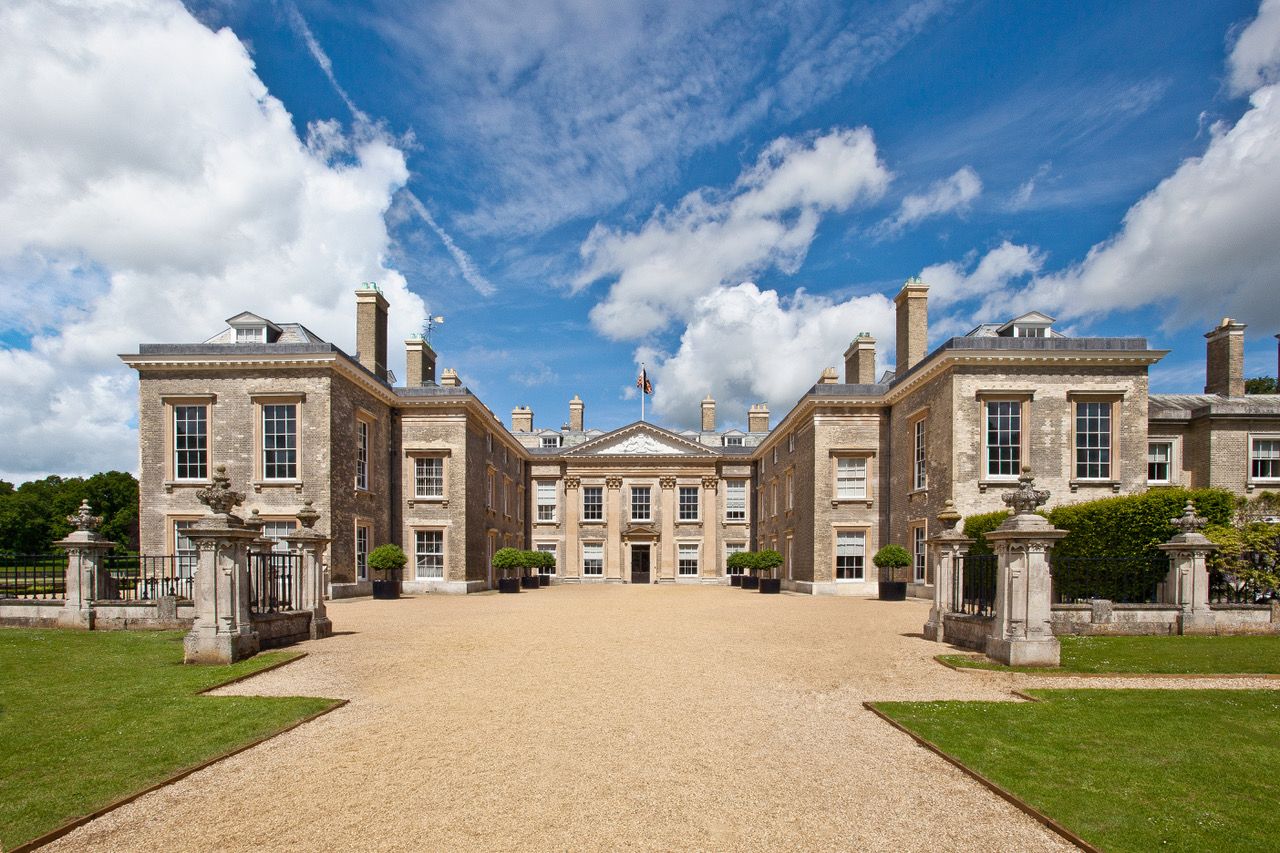
The recent news of Prince Harry and Meghan Markle’s visit to Althorp House, the ancestral home of Princess Diana’s brother, Earl Spencer, carries a weight far beyond a simple family reunion. It's a subtle but significant shift in the narrative surrounding the couple’s relationship with the British royal family, and a poignant reminder of the enduring legacy of Diana herself. The optics are carefully considered, almost deliberately so, and speak volumes about the ongoing attempts at reconciliation, or at least a managed coexistence. It’s a dance of public perception, and one where the echoes of the past resonate deeply. This carefully orchestrated visit, following a period of strained relations and transatlantic living, seems designed to signal a thawing, a willingness to engage, however cautiously, with the family they’ve largely distanced themselves from. It's particularly interesting considering the recent discussion around the increasingly homogenous nature of online style, as explored in The Quiet Echo: When Instagram Style Feels a Little Too Alike, where a sense of curated uniformity often overshadows genuine expression – a stark contrast to the very real complexities of family dynamics.
The choice of Althorp House itself is laden with symbolism. It’s not just a family home; it’s a shrine to Diana’s memory, meticulously preserved and maintained by her brother. The grounds are a place of pilgrimage for fans, a tangible connection to a woman who remains intensely beloved. Allowing Harry and Meghan access, and even a presence within that space, suggests a level of trust and acceptance that hasn't been readily apparent in recent years. It’s a gesture, however small, of bridging the chasm that has formed between them and the rest of the royal circle. The media’s intense scrutiny of royal figures, and the challenges they face in navigating public perception, are well-documented – as highlighted in Royal Reflection: Even Kings Face Challenges with Public Perception. This visit is undoubtedly being analyzed through that lens, with every detail dissected and interpreted for its potential implications.
Beyond the immediate family dynamics, this development speaks to a broader evolution in the monarchy's approach to dealing with dissent and deviation. The institution, historically rigid and resistant to change, appears to be slowly adapting to a world where traditional structures are increasingly questioned. The fact that Charles has entrusted family members with important diplomatic roles, such as the upcoming African tour mentioned in Royal Envoys Embark on Significant African Tour This October, suggests a willingness to delegate and perhaps even to acknowledge the value of perspectives outside the established hierarchy. Harry and Meghan’s actions, while controversial, have undeniably spurred this introspection within the royal family, forcing a re-evaluation of how they engage with the public and with their own members.
Ultimately, the visit to Althorp House represents a delicate equilibrium, a tentative step towards healing and understanding. It’s unlikely to erase the past or completely resolve the tensions that have existed, but it does offer a glimmer of hope for a more harmonious future. The question now is whether this symbolic gesture will translate into more substantive shifts in the relationship between Harry, Meghan, and the rest of the royal family, or if it will remain a carefully staged moment, a fleeting glimpse of what might have been. One must wonder: will this lead to a more permanent re-integration, or is it simply a strategic move in a long and complex game of public relations?