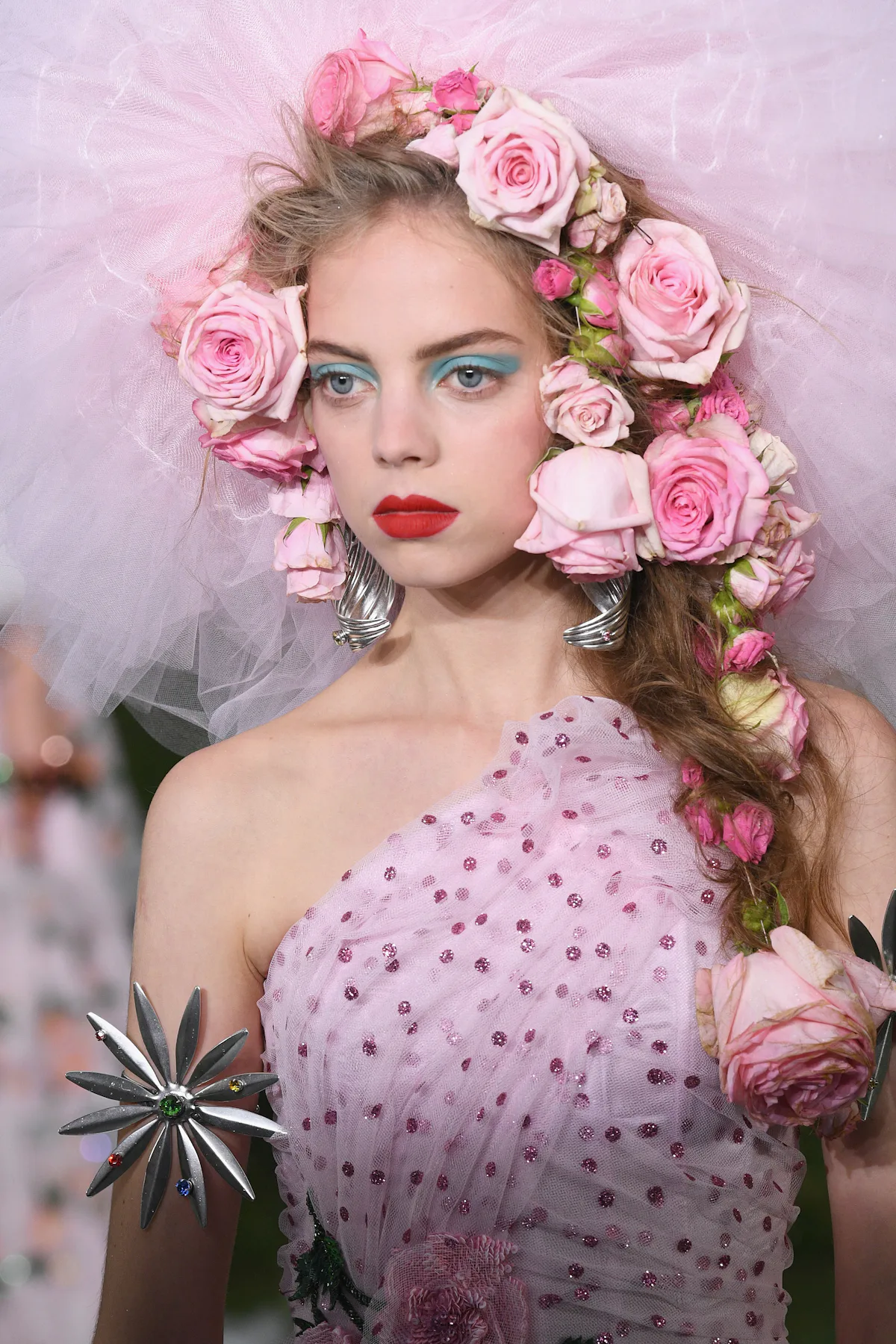
There was a particular moment in the early 2010s when a runway look stopped belonging to the front row and entered the group chat. The article's observation that Instagram effectively killed fashion week's gatekeeping is the kind of quiet cultural truth we keep circling because it changed everything. Suddenly, a slicked-back bun or a graphic eyeliner wing was no longer a fleeting spectacle for a hundred editors; it was a blueprint, replicated, reinterpreted, and worn by thousands before the season even ended. That accessibility is the real legacy of the decade's beauty moments. It was the first time we could all participate in the fantasy without waiting for permission. For us, that shift wasn't just about democratization; it was about intimacy. The runway became a conversation starter rather than a monologue, and beauty became a shared language spoken in comments and reposts, not just on glossy pages.
That same sense of quiet access runs through the other stories we are watching this season. When we think about Elevated Footwear: Defining Fall's Quietly Stylish Sneaker Selection, we see the same principle at play: style is no longer dictated from a podium but suggested through a feed. A sneaker isn't just a shoe; it's an attitude, a choice to move through the world with intention. Likewise, Short nails, elevated style: Fall's manicure mood proves that the decade's influence taught us to find power in restraint. The boldest statement is often the most minimal one, a lesson that traces directly back to those runway beauty moments that favored clean lines over excess. And when we look at Lingerie as Layers: Daisy Edgar-Jones Redefines Modern Sensuality, we recognize that same soft confidence we admire in a well-cut garment or a deliberate beauty look. It is not about exposure; it is about self-possession, a sentiment that feels like a direct descendant of that 2010s impulse to make the distant feel personal.
Our take is simple: the influence of that decade was never really about the specific lipstick shade or hair texture. It was about the permission to see beauty as an extension of self rather than a performance for others. The article hints at this, but we would go further. The Instagram effect did not just broadcast trends; it forced a reckoning with authenticity. When anyone can access the show, the show must mean something more than spectacle. It must resonate. For our readers, this means the practical takeaway is not to chase the next viral look but to ask why a particular aesthetic calls to you. Does it reflect a mood, a memory, a version of yourself you want to embody? That is the enduring influence we should carry forward from the 2010s, not the exact products, but the emotional resonance.
What we would tell a reader who asks about this piece is to resist the urge to romanticize the past as a simpler time. The 2010s were chaotic, experimental, and often contradictory, much like now. But the beauty that emerged from that chaos was a direct response to the new world we were all navigating. The specific consequence to watch is how the next generation of creators will handle this inherited access. Will they continue to use it to build bridges, or will the gatekeeping simply move behind new walls? We are watching for that answer in every look that drops, every caption that goes quiet, and every trend that feels less like a directive and more like an invitation. The decade gave us the tools; how we wield them is the beauty story that is still being written.