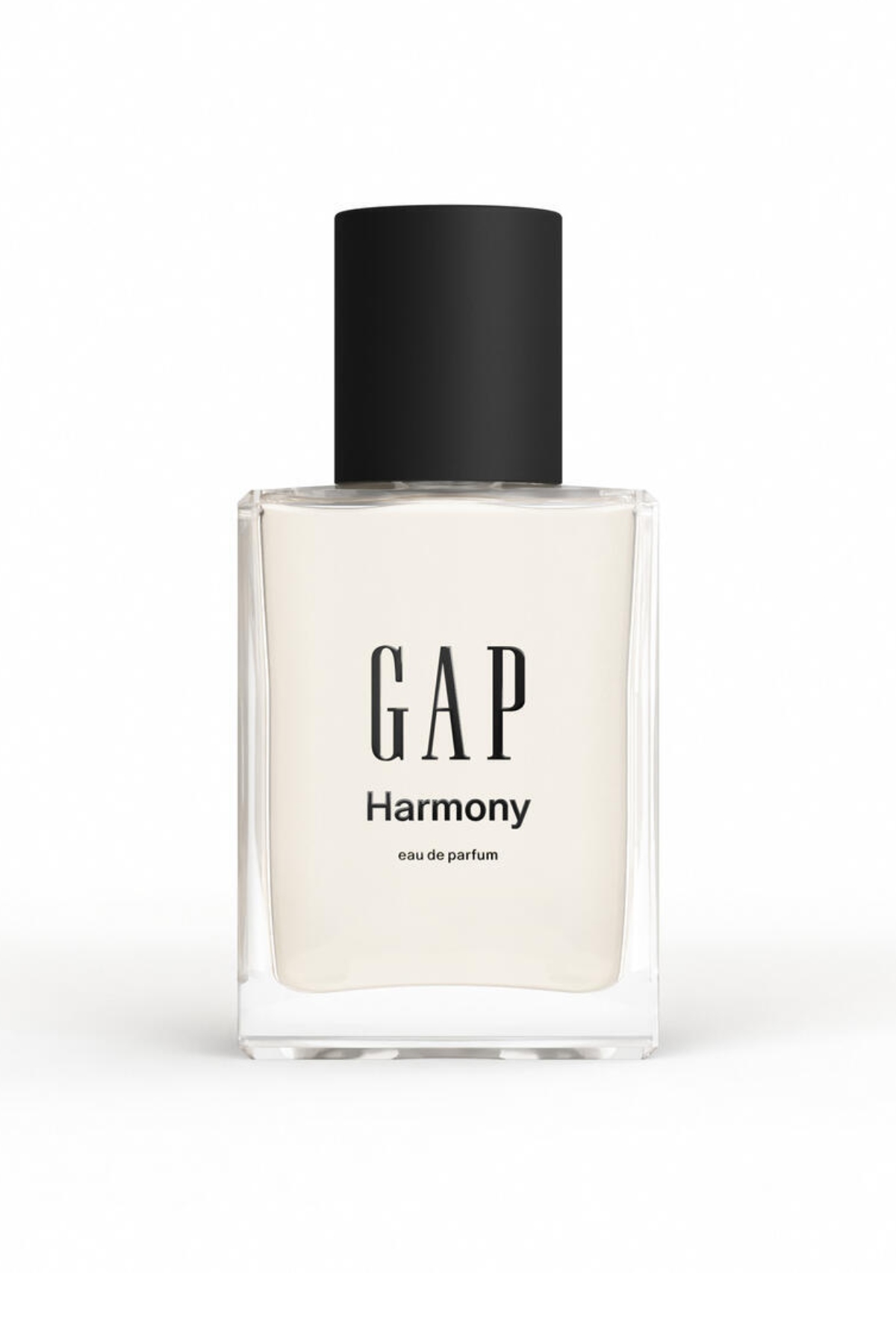
The Gap at Chesterfield Mall was a sensory initiation, not just a shopping trip. For those of us raised in the 90s and early 00s, the store's signature scent of washed cotton and faintly sweetened air was a cultural touchstone, as memorable as the bell-bottoms we coveted. So when word arrived that Gap is translating that familiar olfactory nostalgia into a full fragrance collection, the reaction is predictably split. Half of us feel a jolt of pure, uncomplicated joy. The other half, the part that curates a deliberately quiet life, pauses to wonder if some memories are better left unscented. This is the tension we find ourselves sitting with, and it feels like a perfect entry point for a conversation about how we relate to the brands that raised us.
The instinct to bottle a decade is a bold one, and it walks a delicate line between sentimental and gimmicky. But there is a deeper resonance here, one that aligns perfectly with the current mood in fashion. We are seeing a broader cultural pivot away from loud, logo-heavy expression and toward the understated language of personal memory. The The October Edit: The Quiet-Luxury Staples Defining the Season already pointed us toward pieces that whisper rather than shout, and The quiet-luxury shade replacing the classic neutrals you own shows how we are reinterpreting the familiar. A familiar scent is the ultimate quiet luxury. It is not about showing anyone anything; it is about invoking a private feeling, a sense of self that predates the pressure of adult life. It is the olfactory equivalent of finding a perfectly broken-in cardigan, a sentiment that echoes the tailored ease we admire in J.Lo trades her signature bodysuit for tailored ease in Milan.
Our take is this: do not dismiss this as a cash grab. The Gap understands that the most powerful accessory is the one that carries a story. For the modern woman, this is not about reliving a specific memory so much as it is about reclaiming a feeling of ease. It is the olfactory equivalent of pulling on a pair of perfectly worn-in jeans; it is comfortable, familiar, and yet, when elevated with a refined composition, it becomes a statement of self-assurance rather than nostalgia. The practical advice for our readers is to approach this with intention. Smell it on your skin, not just on the paper strip. Let it sit for an hour. Does it transport you to a place of calm confidence, or does it simply smell like a department store? The former is a worthy addition to your rotation; the latter is a pleasant memory best left in the past.
The real question is not whether the scent is good, but whether we are ready to embrace the brands of our youth as the architects of our present-day identity. We are watching a generation redefine what it means to be a devotee, moving beyond the product to the feeling it provides. The success of this collection hinges on this very idea. The detail to watch is the dry-down, the final note that lingers. If it captures that warm, familiar sense of being on the verge of a new school year, of endless possibility, then it has succeeded in doing something far more significant than selling perfume. It has given us permission to wear our own history with a quiet, confident grace.