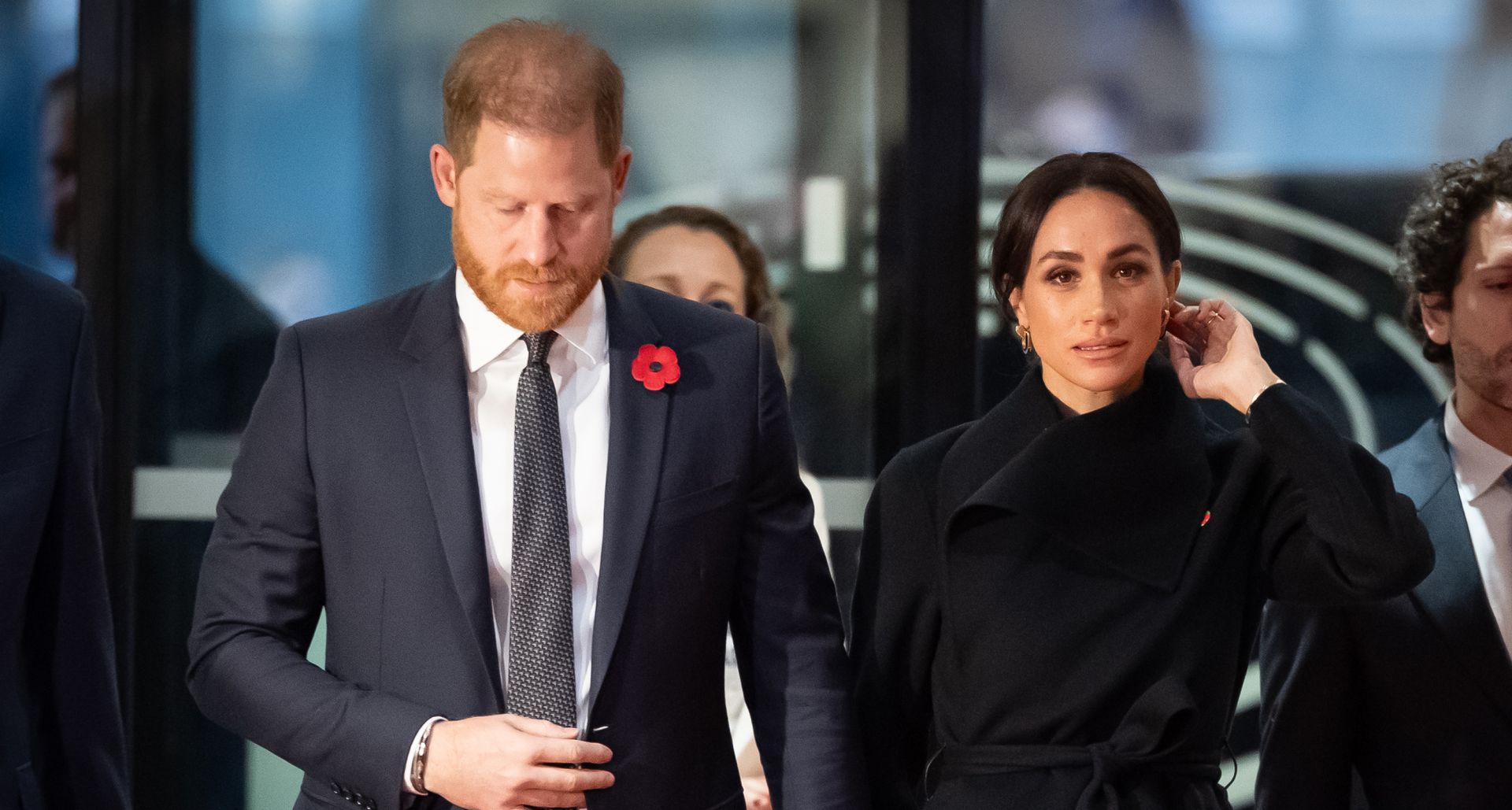
There is something quietly profound about watching a father step forward when a mother needs to step back. When the Duke and Duchess of Sussex arrived at the European Parliament in Brussels, the plan was for them to speak together about digital safety for young people. Instead, Prince Harry delivered the keynote alone, while Meghan Markle sat in support, dressed in a black wrap coat and vintage Christian Dior earrings, her voice intentionally still. The reason was deeply personal: her father, Thomas Markle Sr., had just been charged with possession of child pornography, a revelation that made public speaking about protecting children from online harm feel unbearable. This is not a story about a cancelled speech. This is a story about a family re-calibrating in real time, and about the quiet, unspoken contract of presence that exists between two people when one of them cannot carry the weight alone. It echoes something we explored recently in A Quiet Moment of Trust Between a Father and His Son, where the simple act of leaning on a parent becomes its own form of strength.
What makes this moment worth sitting with is not the headline, it is the decision. Meghan did not stay home. She attended the event, walked into the building past reporters who shouted questions about her father's case, and chose to be present without performing. That restraint is a form of power we rarely see modelled in public life. Her husband did not reference the arrest in his speech, but he anchored his words in the very identity that made her absence from the podium feel so natural: "I'm here as a father. My wife, as a mother. And together, as a couple who stand alongside parents like Sandra, Megan and Sewell." He was not deflecting. He was holding the space. For our readers, the practical takeaway here is subtle but significant: when crisis arrives, the most refined response is often the least dramatic one. You do not need to explain everything. You do not need to defend every choice. You simply need to be where you said you would be, even if your role has changed. This is the quiet persistence of grief and obligation, a theme we touched on in The quiet persistence of grief regardless of age or time, where loss does not announce itself politely before demanding your attention.
The couple's work in Brussels was never about spectacle. They visited the Lost Screen Memorial, an installation showing the phone lockscreens of young people who died by suicide after online harm. Harry spoke of wanting his own children, Archie and Lilibet, to have safe online spaces, not to be denied them. He asked a question that lingers: "Why, when we ask whether it can keep a child safe, does everything suddenly become complicated?" It is a question that lands differently when you know that, hours earlier, Meghan had released a statement revealing she had been shown a letter in 2019 with "troubling and disturbing allegations" against her father, and that she had kept distance from him for one reason: to protect her children. The personal and the political were never separate here. They were folded into the same coat. The specific detail to watch now is not whether Meghan will reschedule her speech. It is how the family navigates the legal proceedings ahead, and whether the same quiet resolve that carried her through Brussels will shape how she speaks about protection, both online and within her own bloodline, when she is ready to speak again.