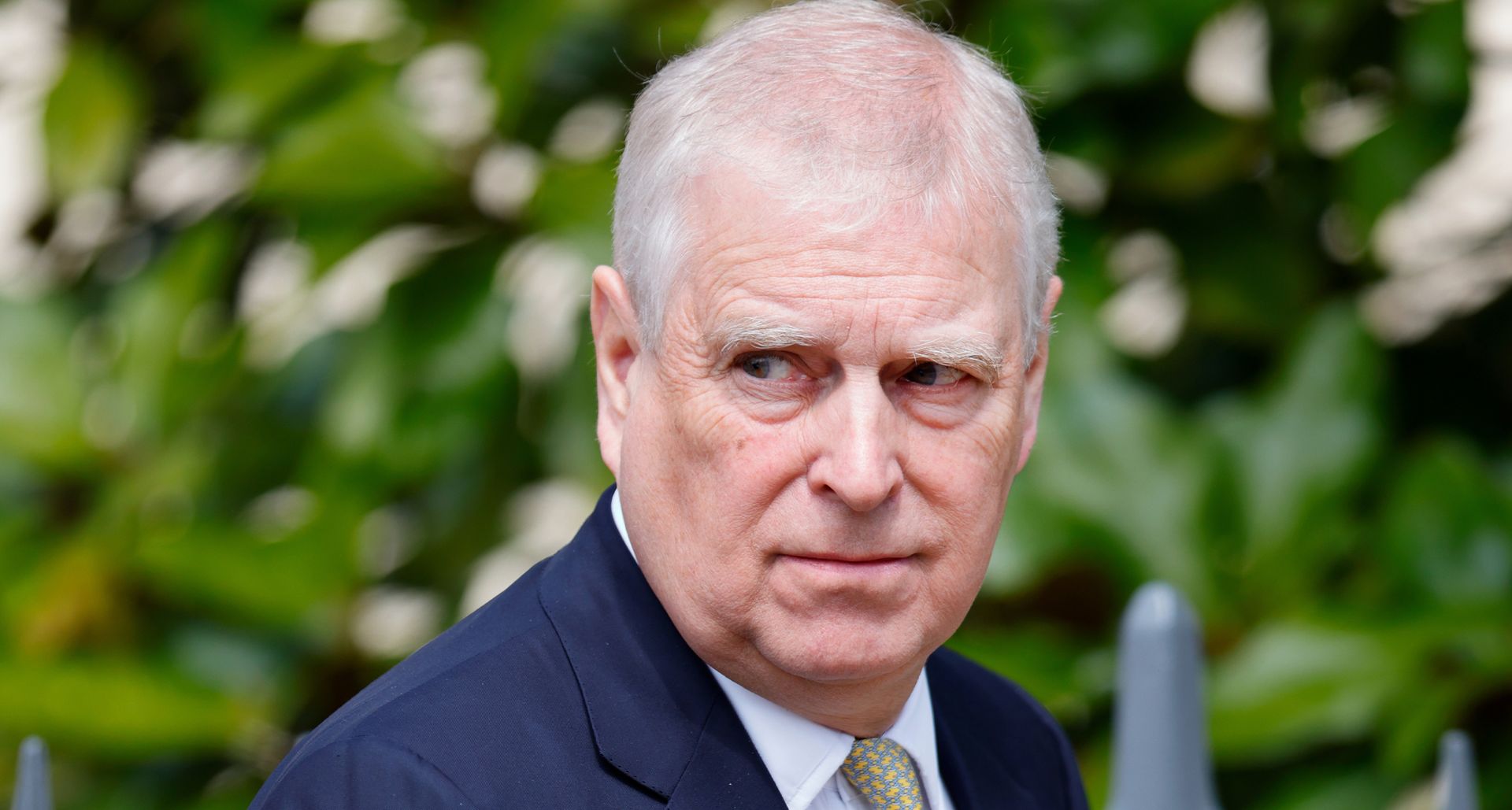
There is something almost unbearably poignant about a man who has spent years in the shadow of disgrace, only to believe, with the quiet certainty of a child, that the world will one day see him as he sees himself. Prince Andrew's reported confidence, his friend's description of him as "buoyant" and "utterly convinced" of his eventual exoneration, carries a specific kind of pathos. It is not the arrogance of power, but the fragile armor of a man who has confused public narrative with personal truth. We should not mistake his legal strategy for a moral reckoning; rather, this is the final act of a man who has always believed that reputation is something you can outlast, not something you build.
The judicial review, set for October 8, is not merely a procedural footnote. It is the first time a member of the Royal Family has sought such a review since Charles I in 1649, a comparison that feels less like historical weight and more like tragic irony, given that Charles I lost his head. Andrew's demand to scrutinize the search warrants used at Sandringham and Royal Lodge is a clever legal pivot, but it does not touch the substance of the allegations: that he shared confidential trade envoy information with Jeffrey Epstein. The review may well succeed on technical grounds, but technicalities do not restore a life. What is striking is how this echoes the broader pattern we see in public figures who mistake legal vindication for personal redemption. It is the same impulse that makes us watch The King of Character Voices, A Crowned Storyteller with a knowing smile, we understand that performance, however polished, is not the same as truth. And yet, we are drawn to it, because we all want to believe that the story we tell ourselves can somehow become the story others tell about us.
For the rest of us, watching from a distance, the practical takeaway is simpler and more uncomfortable: confidence is not evidence. Andrew's friend's words, that he is "really upbeat" and believes this is "the first step", reveal a man who has learned nothing about the difference between being arrested and being guilty. The legal system may clear him; it may even find the warrants unlawful. But the court of public opinion, like the one that stripped his titles last October, does not operate on warrants. It operates on the slow accumulation of detail, the emails, the photographs, the friendships we keep. In that sense, his case is a mirror for anyone who has ever tried to outrun their own history. You can demand a review, you can hire the best lawyers, but you cannot litigate your way back into a self you never truly inhabited.
What we should watch for on October 8 is not whether Andrew wins or loses, but whether he shows up. His attendance would be a statement; his absence, a quiet admission. The former Duke has spent his life believing that presence is power, that showing up in the right room with the right posture can rewrite the script. But as we saw in Before the Crown, Queen Camilla's Quiet Countryside Roots Shaped a Hidden Craft, true gravitas is not performed; it is accumulated in private, in the choices no one sees. And as Behind Palace Walls the Weight of a Prince's Raised Voice reminds us, what happens behind closed doors eventually seeps through the cracks. Andrew's real trial was never in a courtroom. It was in the quiet moments when he decided, again and again, that his version of events was the only one that mattered. That is not buoyancy. That is the heaviest burden a man can carry, and no judicial review can lift it.