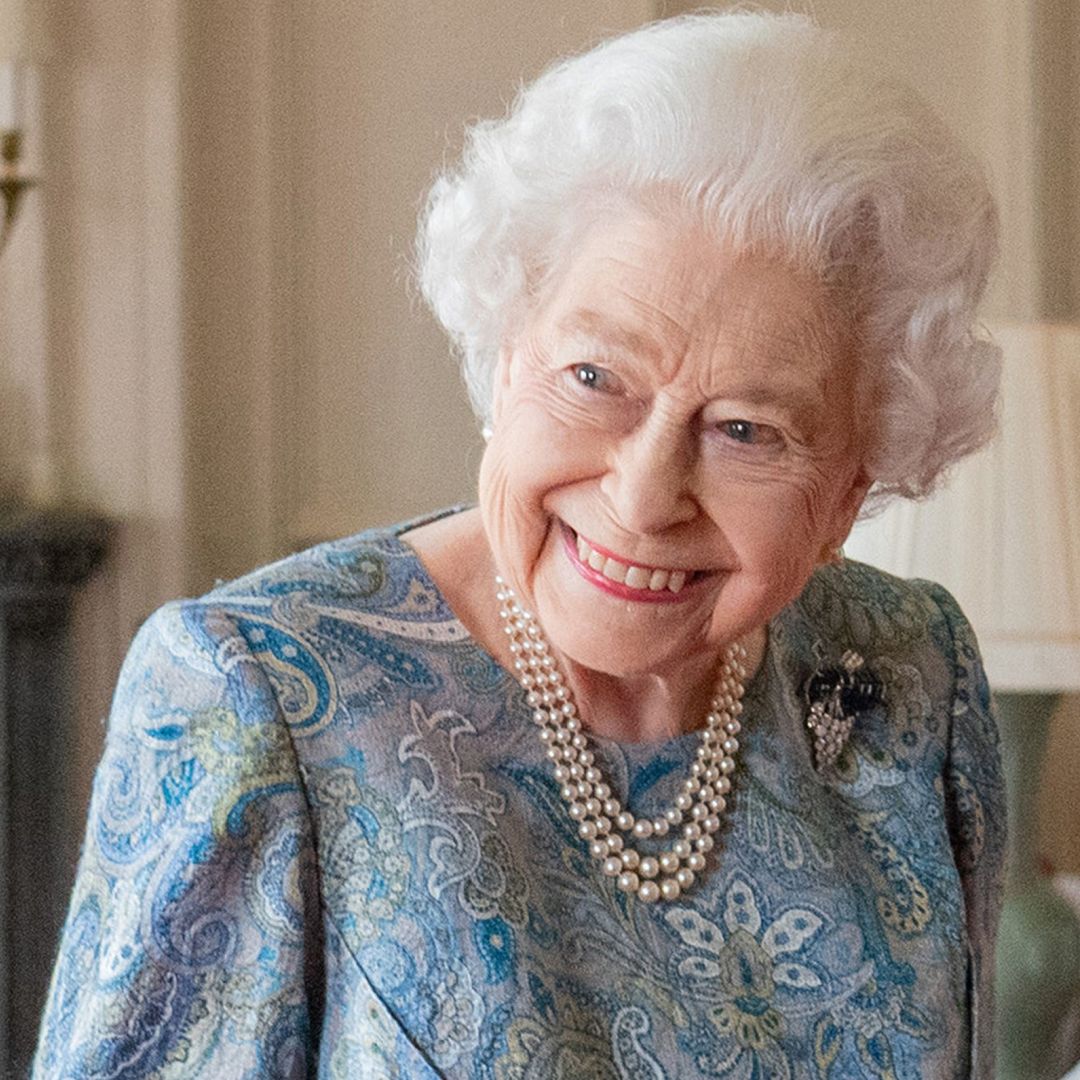
The enduring fascination with the British Royal Family continues to yield intimate glimpses into their lives, and Paul Burrell’s recollections, even years later, consistently generate headlines. This latest anecdote, detailing a seemingly small but poignant moment between Queen Elizabeth and her former butler, is no exception. While Burrell’s past pronouncements have been met with varying degrees of scrutiny – he’s a figure known for his complex relationship with both Princess Diana and the monarchy itself – this particular story, focusing on a moment of quiet connection within the Queen’s private chambers, feels particularly resonant. It’s a gentle counterpoint to the often-sensationalized narratives surrounding the royals, offering a brief window into the humanity of a woman who, for decades, embodied a powerful institution. The story’s appeal lies in its unexpected tenderness, a reminder that even within the rigid structure of royal life, moments of genuine warmth and connection can occur. The recent sharing of insights by Prince William’s former private secretary [Prince William’s Former Private Secretary Shares Rare Insight Into Relationship with Princess Kate] suggests an ongoing desire for a more nuanced understanding of royal relationships, moving beyond the formal portraits and carefully crafted public appearances. This aligns with a larger cultural shift towards valuing authenticity and vulnerability, even – and perhaps especially – in figures of immense public stature.
The narrative’s strength is in its simplicity; Burrell describes the Queen looking "like a monarch and a mother all rolled into one," a phrase that encapsulates the multifaceted nature of her role. It's a far cry from the dramatic and often fraught accounts of palace intrigue that occasionally surface. The fact that the Queen apparently didn't find the incident "very amusing" adds a layer of subtle intrigue—it implies a private moment, a fleeting display of affection or perhaps a small, human error that wasn't deemed worthy of a regal response. Focusing on seemingly mundane details—a glimpse into a private bedroom—allows readers to feel closer to these figures, creating a sense of intimacy that is rare when discussing the royal family. This desire for access and understanding extends beyond the immediate family; the public's interest in how trends evolve—like the shift away from traditional swimwear as seen in [Goodbye, Black Bikinis—Gen Z Prefers This Cooler Swim Trend That Feels Peak 2026]—demonstrates a broader curiosity about cultural shifts and individual expression within established norms. The Queen, throughout her reign, represented both tradition and a certain stoicism; this anecdote offers a glimpse behind that carefully constructed facade.
The ongoing scrutiny of Royal Family members and their staff, as well as the frequent release of previously unpublished anecdotes, speaks to a public appetite for narratives that humanize these figures. While Burrell’s history adds a layer of complexity to his accounts, the fundamental desire to understand the personalities behind the titles remains. Furthermore, the story’s gentle tone stands in contrast to other recent Royal Family news, emphasizing a longing for a return to a more restrained and dignified public image. King Charles’ recent choice of a surprisingly casual accessory to combat the heat [King Charles Beats the Intense U.K. Heat With a Surprisingly Un-Royal Accessory] further exemplifies this desire for a more relatable and less overtly formal presentation. The emphasis is shifting towards portraying the royals as individuals navigating contemporary life, rather than simply representing the Crown. This subtle evolution in public perception is shaping the narratives that gain traction and the stories that resonate most deeply.
Ultimately, this anecdote serves as a quiet reminder of the Queen’s enduring legacy—not just as a monarch, but as a woman. It's a small piece of a larger puzzle, offering a fleeting glimpse into the private world of one of history's most iconic figures. As the Royal Family continues to navigate a shifting cultural landscape, one question remains: How will future generations interpret these glimpses into their personal lives, and what new narratives will emerge to shape our understanding of their roles and responsibilities?