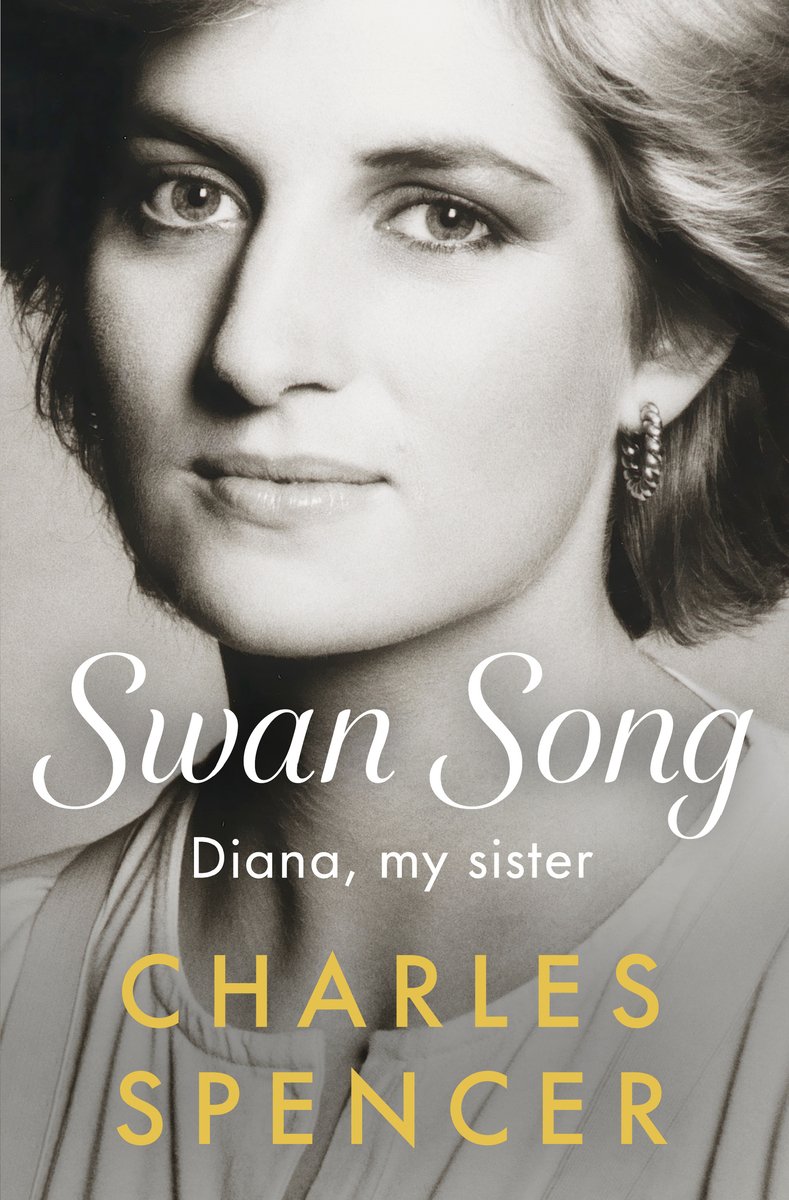
Earl Spencer's new book, *Swan Song: Diana, My Sister*, has already begun to shift how we remember the weeks around Diana's death, and at the centre of that shift is a detail so quiet it nearly escapes notice: Philip's resolve. He was clearly determined, Spencer writes, and that single word carries the weight of a family legacy. We are not being handed a scandal or a revelation meant to shock. We are being invited into a moment where a grandfather, who was not always gentle in his public or private dealings, chose to act with a firm, unspoken steadiness. It is the kind of presence that does not announce itself, yet changes the texture of everything around it. For those of us who have followed the royal story for decades, this is not about taking sides or re-litigating old wounds. It is about recognising that influence is often most potent when it is expressed through restraint.
This is where the story moves beyond biography and into something more personal for us as readers. We are used to narratives that scream for attention, that demand we pick a camp or feel a certain outrage. But Spencer's account offers a different kind of emotional architecture, one built on quiet resolve rather than loud judgment. It asks us to sit with the discomfort of complexity, to hold the reality that Philip was both a difficult figure and a man capable of determined care. In practical terms, this means we can stop treating public figures as either villains or saints. We can allow them the same contradictions we extend to ourselves. That is not a soft or naive position. It is an intentional one. It requires us to be comfortable with ambiguity, to resist the urge to flatten a human being into a headline.
If a reader asked us what to make of this, we would say this: watch the spaces between the words. Spencer is not writing to settle scores or to offer a tidy moral. He is drawing a portrait of grief and duty, and Philip's determination sits in that portrait like a hand placed on a shoulder, steadying, quiet, and absolute. The book does not need to convince us that Philip was a good man or a bad one. It only asks us to see him as a man who, in a moment of profound family crisis, knew exactly what was required of him. That is a far more useful lens than any tabloid framing. It gives us permission to examine our own lives, the moments we have chosen to show up with quiet resolve, and the legacy we are building in the small, unglamorous decisions we make.
The detail to watch, as the book continues to make its way into the world, is how Spencer's tone holds. He is not offering us a revisionist history so much as a deeper texture, a reminder that resolve does not always roar. Sometimes it simply stands beside a coffin, determined to see a farewell through with dignity. That is the takeaway we would leave with you: influence is not always visible, and legacy is often written in the moments we think no one is watching. For those of us who aspire to live with intention, Philip's quiet resolve is not a footnote to a famous tragedy. It is a lesson in how to move through our own difficult passages, without noise, without performance, and with a steadiness that speaks louder than any words ever could.