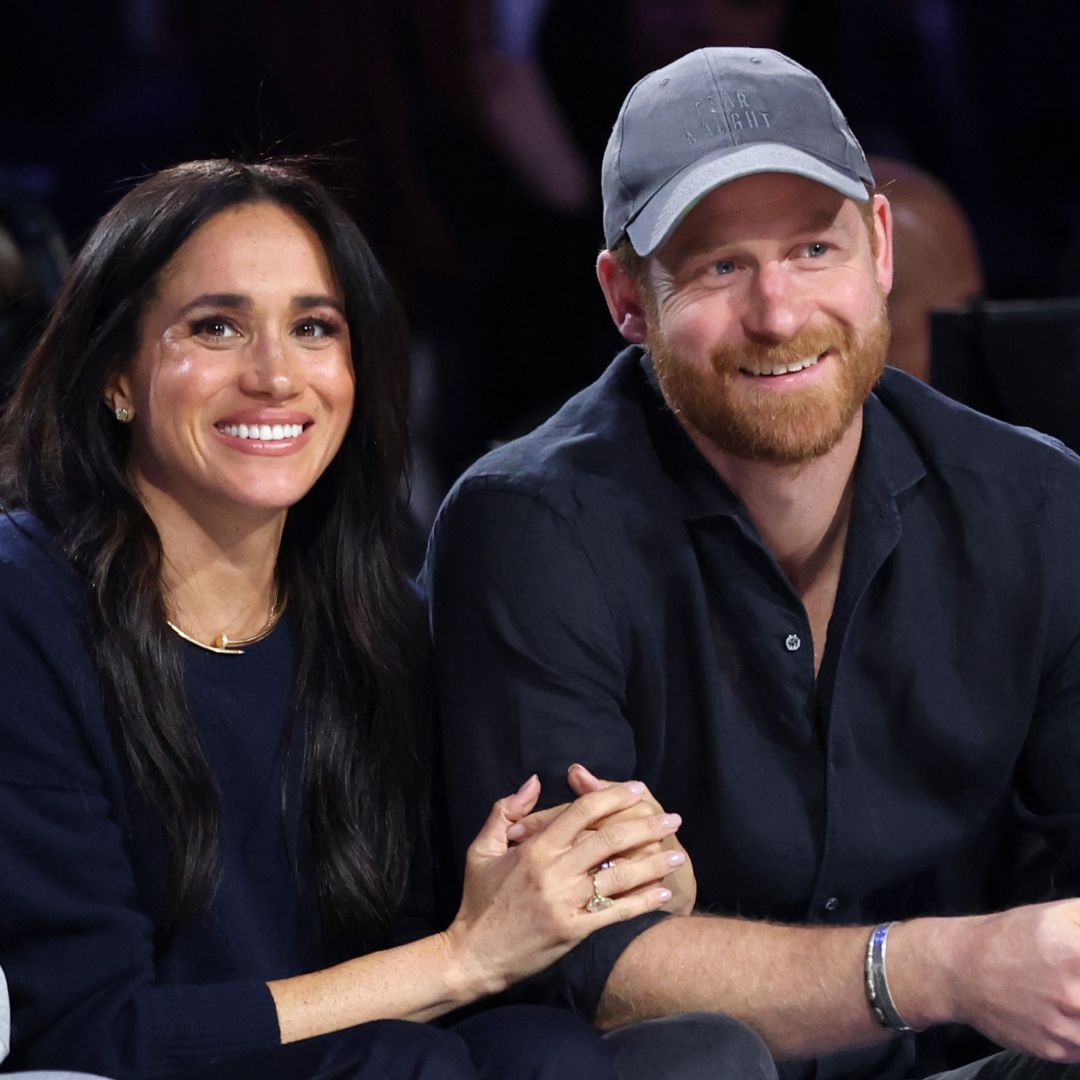
There is a particular poetry in the moment a person chooses to return to a place that once defined them, not because they need it, but because they have finally stopped running from it. When Prince Harry and Meghan Markle took their freedom flight out of London in 2020, the narrative was cast in absolutes: a permanent departure, a clean break, a new life on Californian soil. Yet, the announcement of their return this August asks us to hold a more nuanced truth. This is not a retreat, nor is it an admission of defeat. It is a measured return, a quiet recalibration of what royal life can mean when it is chosen rather than inherited. The King's reign is their only chance to be so and establish that foothold, and that single window of opportunity changes everything about how we read this homecoming.
We often mistake distance for liberation, assuming that the further we travel from our origins, the freer we become. But freedom, as our own editorial philosophy suggests, is rarely found in escape. It is found in the deliberate act of re-engagement on your own terms. This is where the story of Harry and Meghan intersects with something more universal, something we can all feel in our own lives. The return to British soil is not merely a geographical move; it is an emotional and psychological one. It echoes the sentiment we explored in Prince Harry Reflects on a Joyful Return to British Soil, where the simple act of being back carries its own quiet gravity. There is a difference between visiting a memory and re-entering a life. The former allows for nostalgia; the latter demands presence. For Harry, this is not about reliving the past but about establishing a foothold in the present, a chance to redefine his role not as a break from the crown, but as a counterpart to it.
What we find so compelling here is the restraint. In an era of oversharing and performative reinvention, there is a certain power in saying less. The couple's measured approach mirrors the philosophy behind The Sovereign's Quiet Ritual of Resourceful Royal Soaks, where the emphasis is on intention over extravagance. It is not about grand gestures or public declarations; it is about the quiet, resourceful work of building a foundation. The King's reign is finite, a fact that lends this moment a particular urgency. For Harry, this is not about seeking approval; it is about securing a legacy that is not defined by departure. The practical takeaway for our readers is this: return is not a sign of weakness, but a sign of self-awareness. It is the recognition that some doors are worth walking back through, not because they have changed, but because you have.
If you ask us what to make of this, we would tell you to watch what happens next, not what is said. The true measure of this return will not be found in the initial photographs or the carefully curated statements, but in the sustained presence. Will this be a fleeting visit, or will it become a new rhythm? The King's reign is their only chance to be so, and that window is narrowing. The specific consequence to watch is whether Harry begins to carve out a meaningful, substantive role in the months ahead, or whether this remains a symbolic gesture. We would tell you that equilibrium is not a destination; it is a daily practice. And for a man who has spent years in the limelight of his own making, the most radical act of confidence might just be staying still long enough to establish that foothold, not as a prince, but as a man who has finally found his ground.