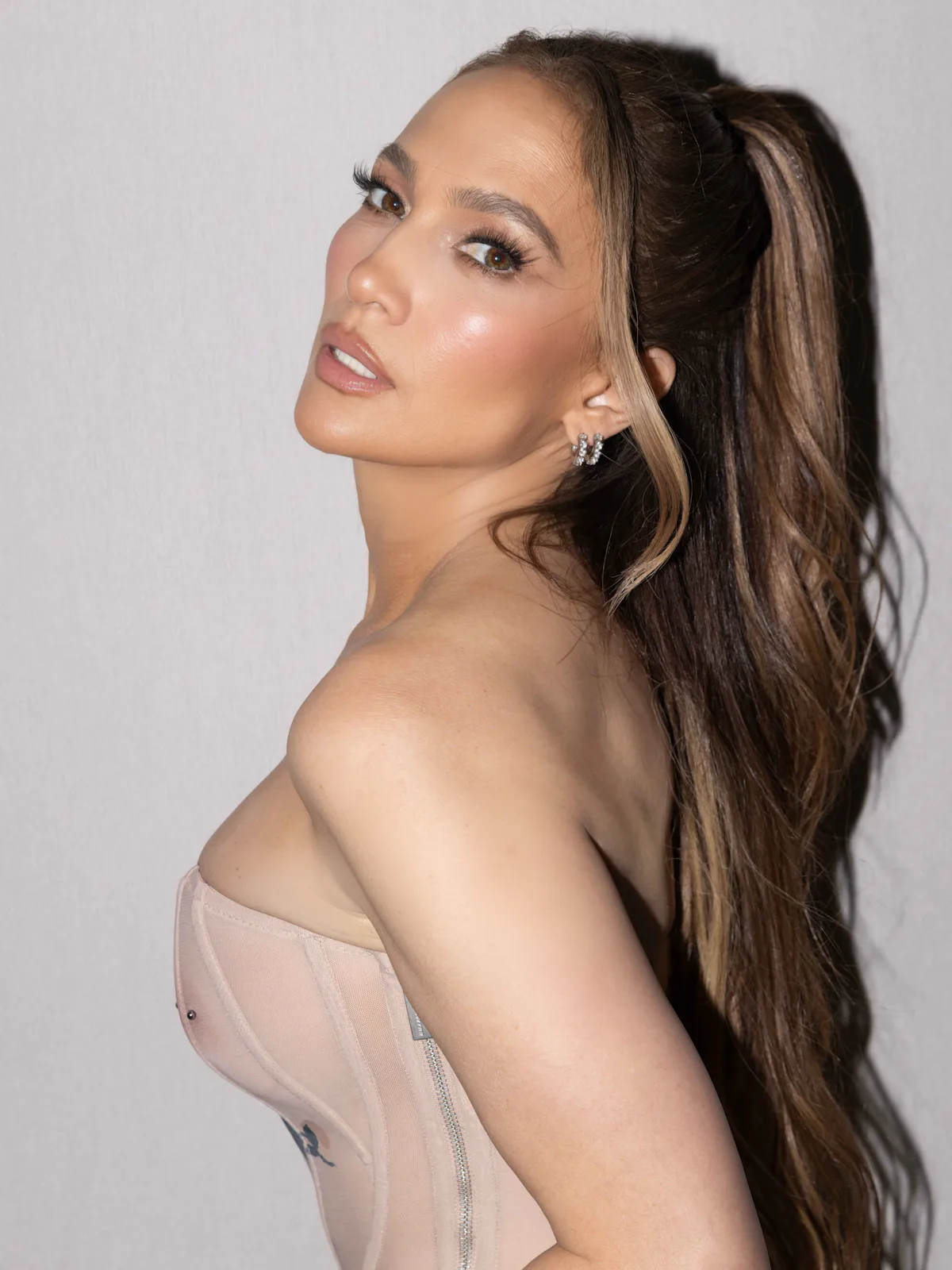
The resurgence of frosted eyeshadow, spearheaded by Jennifer Lopez and Zendaya’s recent Parisian appearances, feels less like a simple trend revival and more like a deliberate aesthetic recalibration. It’s a fascinating counterpoint to the prevailing "clean girl" aesthetic and the hyper-polished, sculpted looks that have dominated red carpets for years. We’ve seen a recent fascination with a more statuesque, almost untouchable beauty, exemplified by the naked dress trend explored in Why Does Everyone In Fashion Want to be a Statue Right Now?, and this frosted eye look offers a playful, almost defiant rejection of that austere ideal. The return of Y2K trends in general – butterfly clips, low-rise denim, and now this – speaks to a cyclical nature of fashion, but also a generational desire to reclaim and redefine aesthetics once deemed “tacky” or “unsophisticated.” It’s an act of aesthetic self-possession, and one woven into a larger conversation about beauty standards and the freedom to experiment. Zendaya’s consistent commitment to pushing boundaries in beauty and fashion, showcased in Presenting: Zendaya’s Best Beauty Looks of All Time, further underscores this willingness to dismantle conventional expectations.
The interesting layer here is the deliberate embrace of imperfection. Frosted eyeshadow, particularly in the shades that are returning – icy blues, pinks, and silvers – is inherently challenging to apply flawlessly. It's a look that thrives on a slightly smudged, almost ethereal quality, a stark contrast to the meticulous blending and contouring that has become the norm. This isn't about achieving a flawless, airbrushed complexion; it's about embracing a more playful, expressive approach to makeup. It taps into a broader cultural shift where authenticity and vulnerability are increasingly valued, and where the pursuit of perfection is being questioned. The fact that Lopez, a figure synonymous with polished glamour, is championing this look signals a significant shift. It’s a sign that even the most meticulously curated images are making space for a bit of playful imperfection, a recognition that beauty can exist outside of rigid, often unattainable, standards. This echoes a sentiment we explored with Lupita Nyong'o, who spoke about navigating the complexities of public perception and creative expression—a sentiment that resonates with this embrace of a less-than-perfect aesthetic Lupita Nyong'o Told Us All About Beyoncé Name-Checking Her, Her Most Iconic Costumes, and More.
Furthermore, the adoption of this trend by high-profile figures like Lopez and Zendaya normalizes a wider range of beauty expressions. It challenges the notion that makeup must always be about enhancement or transformation; instead, it becomes a form of self-expression, a way to signal a mood, an attitude, or a connection to a particular cultural moment. The Y2K influence is undeniable, but this isn’t simply a nostalgic throwback. It’s a reimagining of those aesthetics for a contemporary audience, filtered through the lens of modern sensibilities. It’s an acknowledgement that what was once considered kitsch can be recontextualized as chic, that what was once deemed "too much" can be embraced as a form of confident self-expression. This re-evaluation extends beyond the makeup itself; it’s about challenging the assumptions we hold about beauty, age, and style.
Ultimately, the frosted eyeshadow trend’s resurgence isn't just about a specific makeup application technique. It represents a broader cultural shift towards embracing individuality, challenging norms, and finding beauty in the unexpected. It’s a signal that the definition of “cool” is expanding, and that there’s room for a wider range of aesthetic expressions. The question now is: will this trend evolve beyond a fleeting moment of Y2K nostalgia, and will it usher in a new era of beauty that prioritizes playfulness and self-expression over rigid perfection? Or is this simply another cycle in the ever-spinning wheel of fashion, destined to fade as quickly as it arrived?