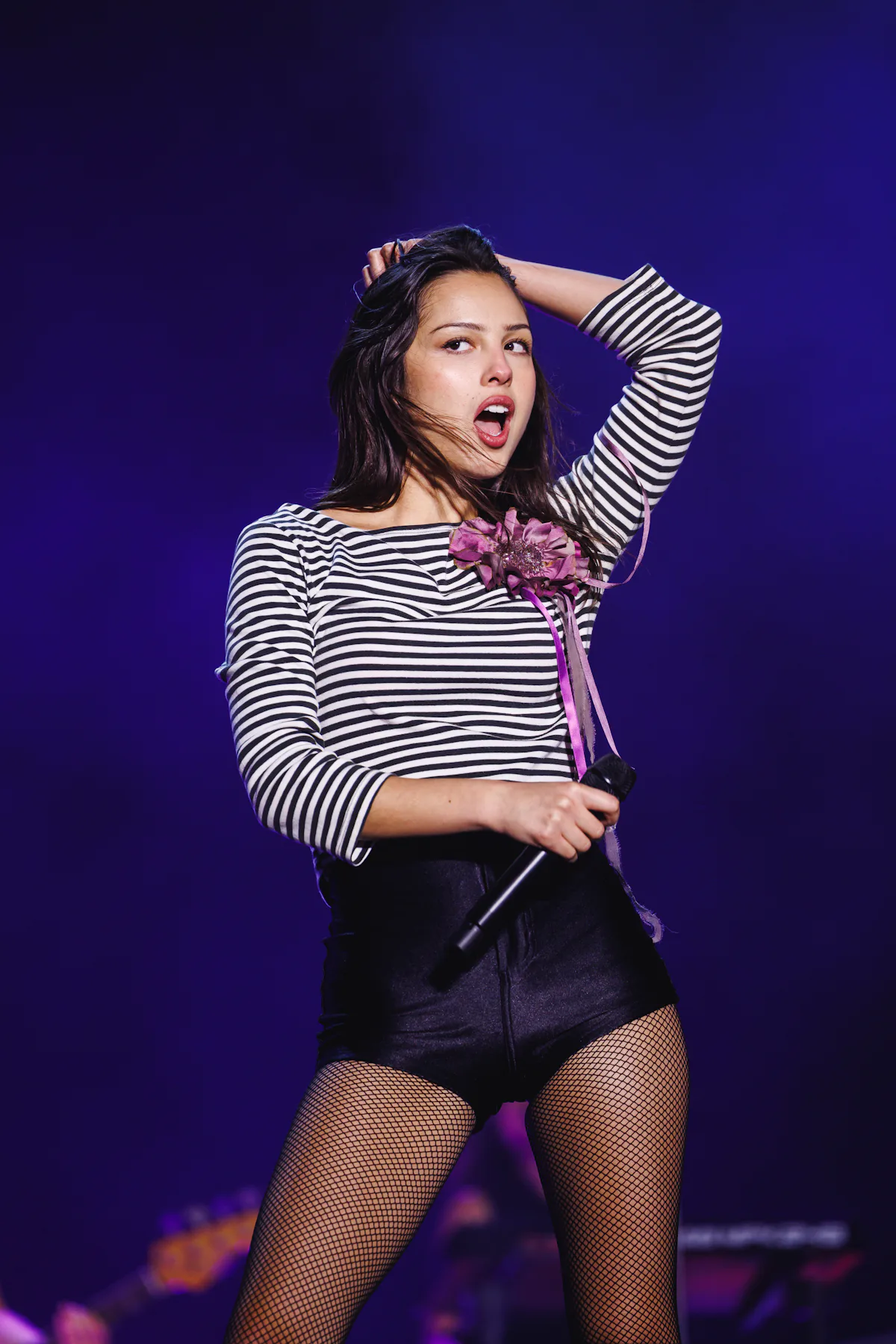
The revival of the Fendi Baguette, particularly as embodied by Olivia Rodrigo’s recent sighting, feels less like a fleeting trend and more like a potent cultural signal. Its connection to *Sex and the City* is undeniable, instantly evoking a specific era of aspirational fashion and the romanticized depiction of New York City life. Rodrigo’s choice, timed with the release of her new album, is a savvy move, aligning her image with a legacy of confident, stylish femininity. It's a visual shorthand for a certain kind of cool, one that resonates with a generation seeking both nostalgia and a modern sensibility. The broader context speaks to a wider shift; fashion people are increasingly embracing weekend escapes, demonstrating a desire for experiences alongside elevated style [From NYC to L.A.—Fashion People Are Escaping the City for These 6 Weekend Trips], and this pairing of a heritage accessory with a millennial artist underscores that desire. It’s about curating a lifestyle, not just acquiring a handbag.
The Baguette's resurgence isn’t happening in a vacuum. We’ve seen a broader embrace of Y2K aesthetics, a reclamation of styles once deemed passé, and a renewed interest in brands with storied histories. It's a reaction, perhaps, to the relentless minimalism of recent years, a yearning for a little more personality and playful maximalism. Furthermore, the subtle shift away from the ubiquitous white tee [Fashion People Are Ditching Their White Tees for This Trending Basic] demonstrates a growing appetite for individual expression – a willingness to experiment with color, texture, and silhouette. Rodrigo’s sequined version of the Baguette leans into this playful spirit, a departure from the more understated iterations often seen in the early 2000s. The choice reinforces her own evolving style, hinting at a more confident and expressive phase in her career. This isn’t simply about replicating Carrie Bradshaw; it’s about borrowing an aesthetic touchstone and making it distinctly her own.
Beyond the surface-level trendspotting, Rodrigo’s selection speaks to the power of cultural memory and the enduring influence of television on fashion. *Sex and the City* wasn't just a show; it was a masterclass in aspirational branding, seamlessly integrating fashion into the narrative and solidifying its role as a status symbol. The Baguette, in particular, became synonymous with Carrie's adventurous spirit and her unapologetic pursuit of style. For a younger generation, who may have only experienced the show through reruns or streaming platforms, the Baguette represents a portal to that world, a tangible connection to a cultural phenomenon. It’s a testament to the show's staying power and the way its fashion choices continue to shape contemporary trends. Kristin Cavallari's recent insights into summer trends further solidify the idea that embracing nostalgic pieces, but with a fresh perspective, is key [Kristin Cavallari: I Rarely Style These Shoes With Jeans, But I Wear This Sandal Trend All the Time].
Ultimately, Olivia Rodrigo’s Fendi Baguette moment highlights the cyclical nature of fashion and the enduring appeal of carefully curated nostalgia. It’s not simply about reviving a vintage accessory; it's about reinterpreting a cultural icon for a new generation, one that values authenticity, self-expression, and a touch of understated glamour. As we continue to see a blurring of lines between high fashion and pop culture, where will we see these nostalgic nods appear next? And will the success of the Baguette’s revival inspire other brands to revisit their own iconic pieces, reimagining them for the modern era?