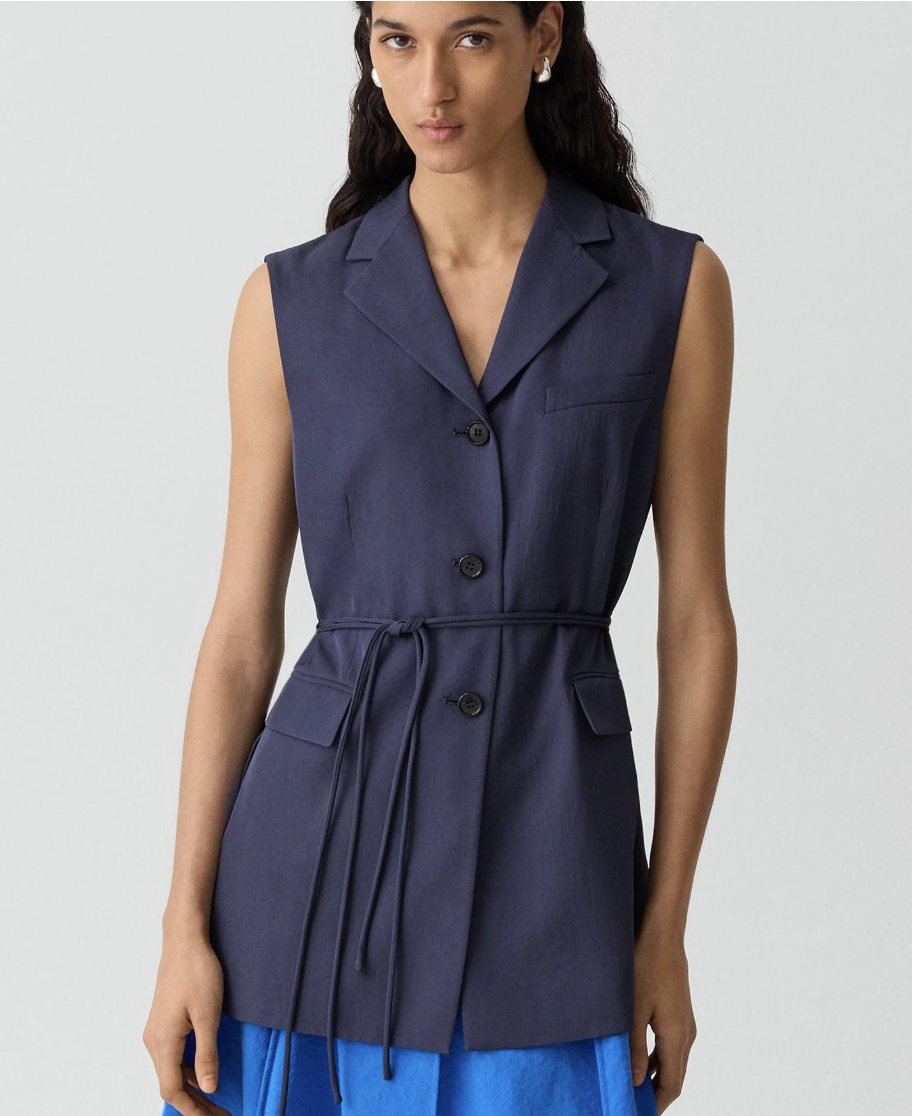
Our Take: The recent appearance of Princess Leonor supporting her sister, Infanta Sofia, at a significant royal milestone offers a fascinating glimpse into the evolving landscape of royal style and public image. Princess Leonor’s choice of a subtly chic, $86 summer suit—paired with what appear to be her sister's shoes—speaks volumes about a shift towards understated elegance and a deliberate rejection of ostentatious displays of wealth. This aligns perfectly with the broader trend we're seeing in fashion, away from maximalism and towards a quieter, more considered approach. It's a sensibility that resonates with a consumer base increasingly drawn to timeless pieces and mindful consumption, as explored in our recent piece on The Denim Trend I’m Wearing Instead of Jeans This Summer, where comfort and practicality are prioritized alongside style. The detail of wearing her sister’s shoes, while seemingly minor, underscores a sense of familial connection and deliberately downplays any perception of excessive privilege – a surprisingly savvy move in today’s climate. The subtle nod to sustainability and resourcefulness is a carefully considered element, reflecting a modern understanding of public perception.
The broader significance of this moment lies in how it positions Princess Leonor as a style icon for a new generation. She’s not simply replicating traditional royal dressing; she’s actively redefining it. This isn't about extravagant couture gowns or a constant stream of designer labels, but rather about curated pieces that convey confidence, poise, and a sense of personal style. It mirrors the appeal of figures who embody effortless chic, like the modern muses we often feature, and speaks to a desire for authenticity and relatability in public figures. This approach stands in contrast to some of the more flamboyant displays we've seen in other royal circles and feels markedly more aligned with the current cultural mood. Even the choice of a relatively affordable suit signals a willingness to engage with everyday fashion trends, bridging the gap between royal formality and accessible style. Consider, too, the visual connection to the allure of the sea and shimmering hues, a theme we explored in “It's Giving Mermaid”—The Gen-Z Approved Nail Colour Dominating This Summer, where a similar emphasis on understated luxury and sophistication is at play.
Leonor’s style choices, and the accompanying media attention, highlight a key evolution within the royal family dynamic. The emphasis on supporting Infanta Sofia, rather than solely focusing on Leonor's own position as future queen, demonstrates a more collaborative and familial approach to public duty. It’s a gentler, more human portrayal, which is particularly crucial in an era where scrutiny of public figures is relentless. The visual narrative of sisterhood, subtly conveyed through shared accessories and a unified aesthetic, feels instinctively genuine and resonates strongly with audiences. This is not about individual ambition or self-promotion; it's about collective responsibility and a shared sense of purpose. Furthermore, the understated elegance of the entire ensemble, devoid of excessive branding or logos, reinforces the concept of “quiet luxury,” a key tenet of modern style and a deliberate rejection of conspicuous consumption. It’s a more nuanced and sophisticated approach to royal presentation, one that prioritizes substance over spectacle, mirroring the immersive experiences we detailed in I Spent 48 Hours In Venice With Roberto Coin — Here's Everything Worth Seeing.
Looking ahead, it's fascinating to consider how Princess Leonor will continue to shape her personal brand and influence the perception of the Spanish monarchy. Will this understated elegance become a signature style, or will we see further experimentation with different aesthetics? More importantly, will other royal families adopt a similar approach, prioritizing authenticity and relatability over traditional displays of grandeur? The subtle power of her current style choices suggests a deliberate and considered strategy, one that acknowledges the changing expectations of a modern audience. It’s a trend worth watching, as it may signal a significant shift in how royalty presents itself to the world – a move away from inherited status and towards earned respect and genuine connection. The question remains: can this modern, understated approach sustain itself and ultimately redefine the very notion of royal style for the 21st century?