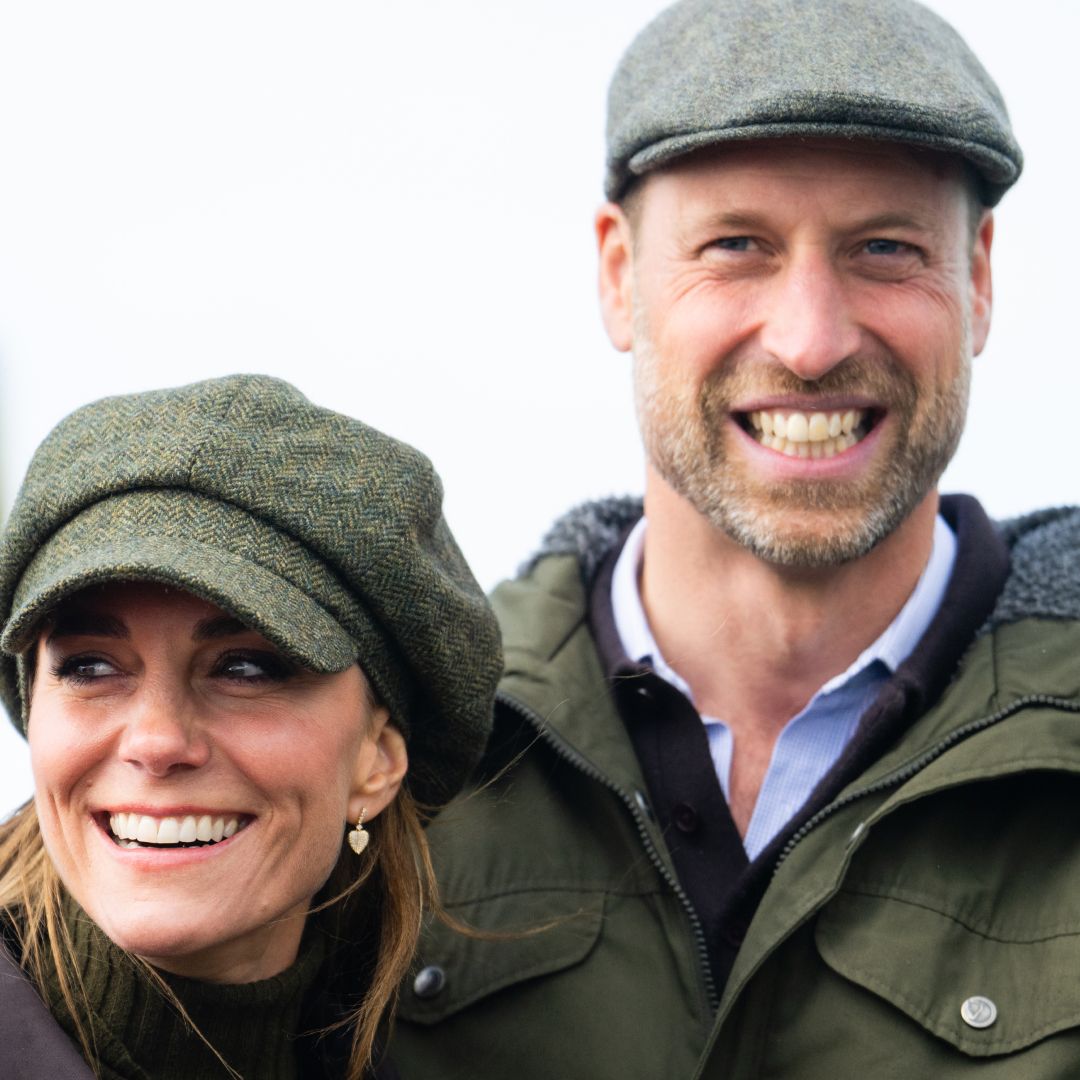
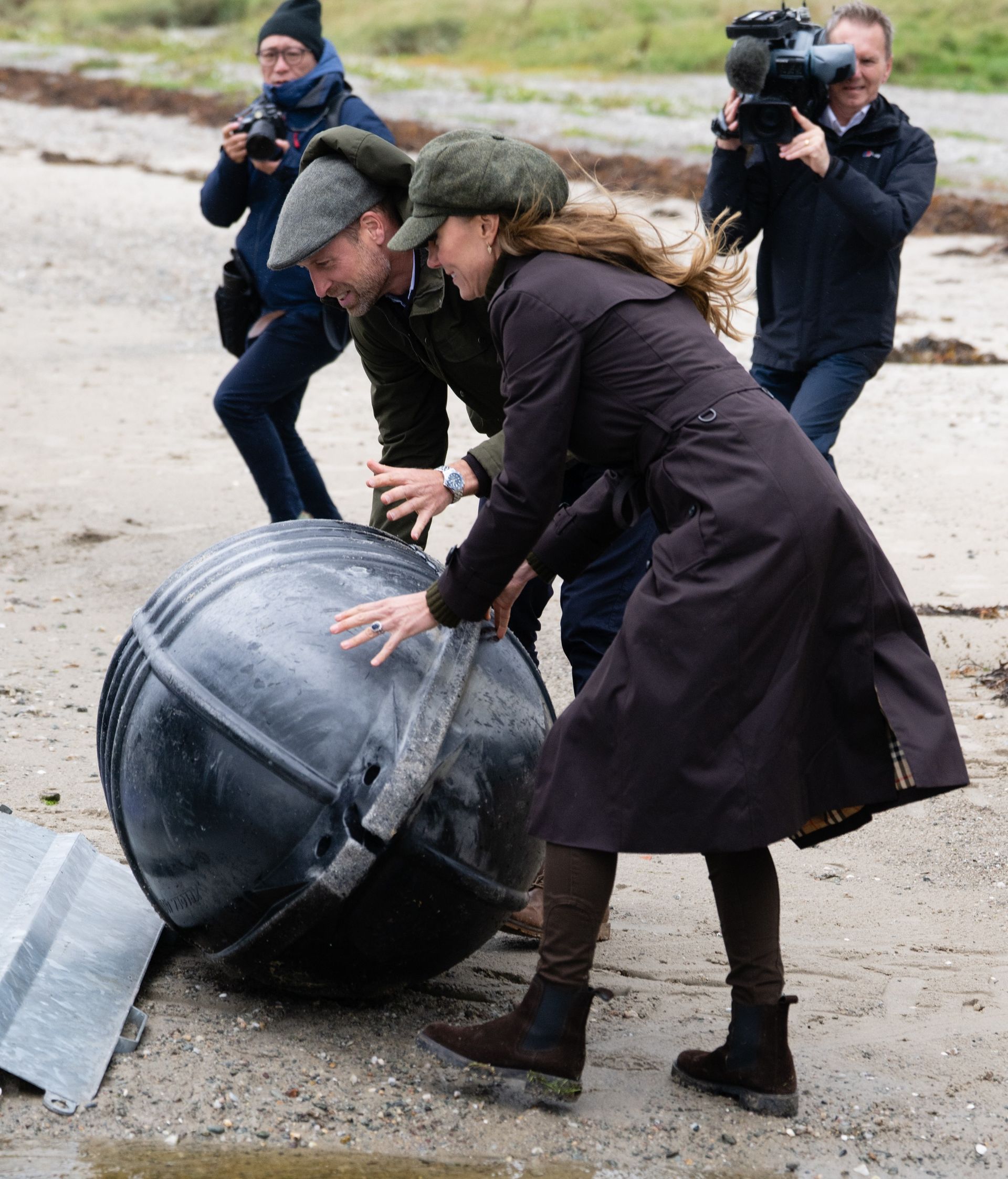
The Princess of Wales' recent visit to the Isle of Bute and her subsequent sharing of a “Scotland wish list” feels like a carefully orchestrated reveal, subtly shifting the narrative around the Royal Family and, more specifically, Princess Kate’s role within it. It's not merely a list of places to see – hiking Ben Nevis, visiting the Outer Hebrides, exploring Skye – but a declaration of personal interests and a desire for deeper connection with the Scottish landscape. This echoes sentiments expressed in King Charles “Doesn’t Feel the Need to Perform Anymore” In His Public Role, Says Royal Expert, where the focus on authenticity and a reduced emphasis on formality is also apparent within the monarchy. The Princess’s mention of being inspired by another Royal Family member who “shows us her photographs” is particularly intriguing; it suggests a lineage of personal expression within the institution, and subtly positions Kate as continuing that tradition – one that prioritizes genuine engagement over rigid protocol. This is a woman cultivating a sense of approachable relatability, a key element in modern royal appeal.
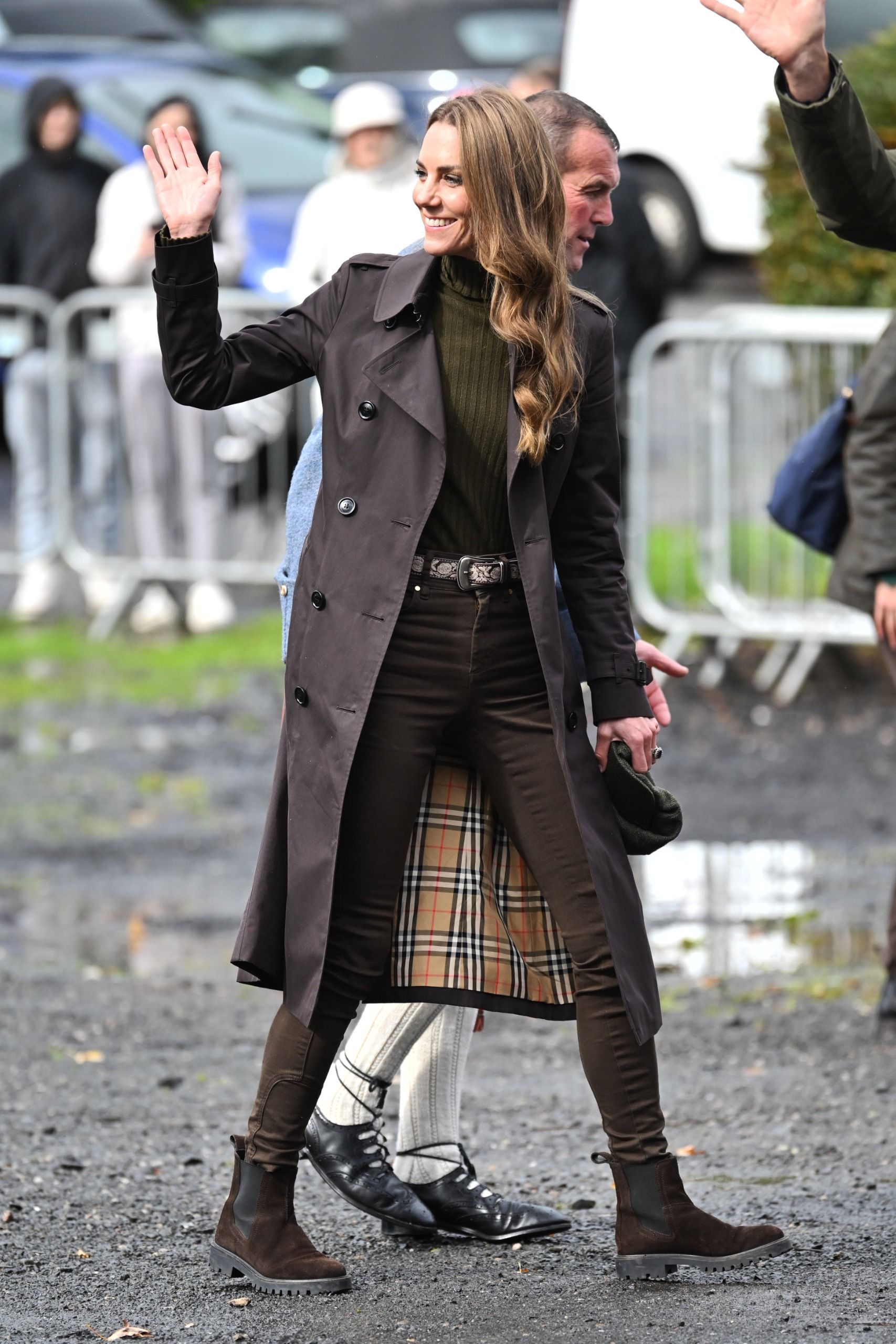
The choice of Bute as a starting point for this Scottish exploration feels deliberate. It’s a place steeped in history and natural beauty, yet also relatively untouched by the typical tourist throngs. It allows for a more intimate connection with local communities and a perception of genuine interest, rather than a superficial photo opportunity. Kate’s style choices during the visit – a striking Suzannah dress – further reinforce this image of understated elegance. The emphasis isn’t on overt displays of wealth, but rather on a refined aesthetic that resonates with a modern sensibility. This aligns perfectly with the current cultural shift towards “calm luxury,” a concept that prioritizes quality, craftsmanship, and enduring style over fleeting trends, as explored in TWP Has a New Definition of Workwear. It’s a message of quiet confidence and considered choices – a visual language that speaks volumes without needing to shout. The reference to another Royal sharing photographs suggests a passing down of a certain brand of subtle self-expression, a quiet way of demonstrating personality within the confines of royal duty.
Beyond the specifics of the wish list, this event signals a broader strategy of cultivating a more personal brand for Princess Kate. She is actively shaping her public image, moving beyond the traditional role of supportive consort to become a distinct and influential figure in her own right. This is not about competing with other royals; it’s about defining her own space and connecting with the public on a deeper, more emotional level. It’s a recognition that in a world saturated with images and information, authenticity and relatability are paramount. The Princess’s ability to convey a sense of effortless style and genuine warmth, even within the formal setting of royal engagements, is a key element of her appeal. The subtle acknowledgement of a familial precedent—another royal sharing photographs—only strengthens this carefully crafted narrative of personal growth and evolving royal identity. It’s a quiet but powerful signal of a monarchy adapting to a changing world, prioritizing connection over ceremony. The willingness to reveal personal aspirations, even in a seemingly casual way, fosters a sense of intimacy and shared experience.
Ultimately, Princess Kate’s Scotland wish list is more than just a travel itinerary; it’s a carefully considered piece of brand building. It’s a window into her personal passions and a subtle assertion of her evolving role within the Royal Family. The question now is how she will translate this burgeoning sense of personal agency into further initiatives and engagements, and whether this shift towards greater openness will inspire other members of the Royal Family to embrace a similar approach. Will we see more glimpses behind the curtain, more moments of genuine connection, and a continued evolution of the monarchy’s public image towards a more relatable and authentic representation of modern Britain?