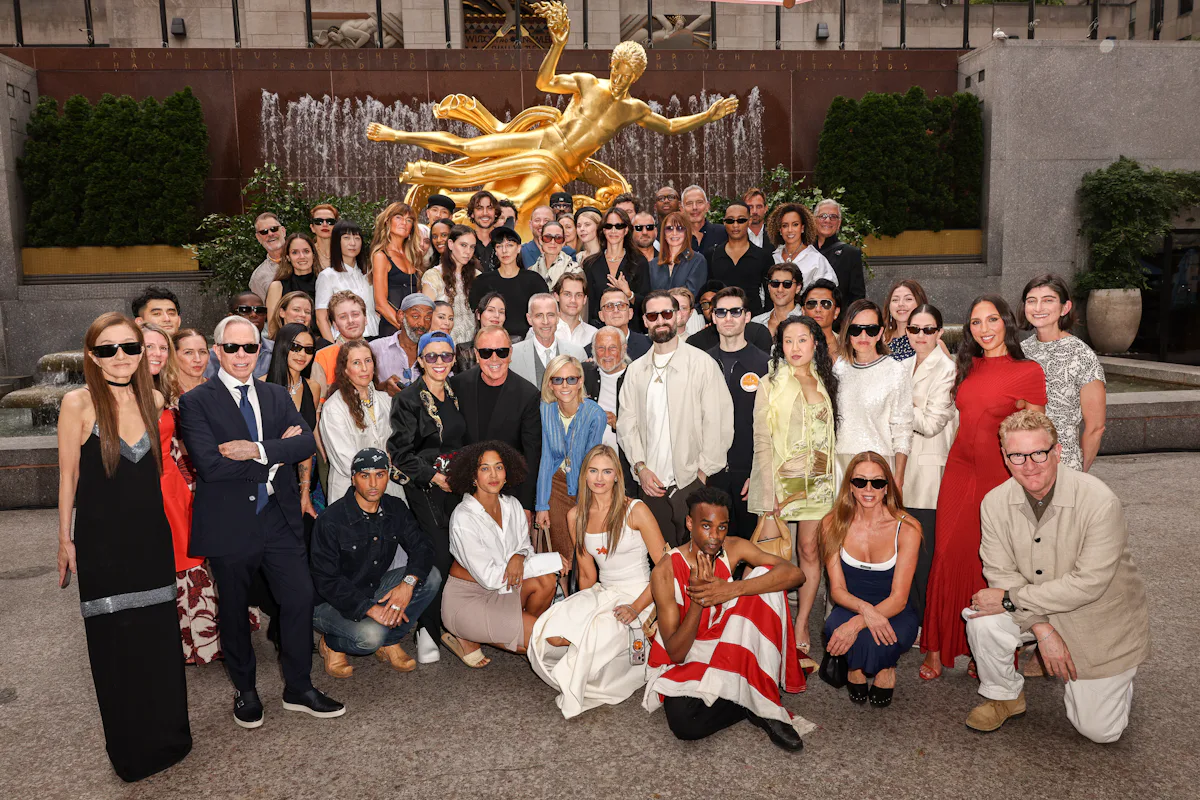
There is a particular kind of power in restraint, and the CFDA's "United Flags of Fashion" understands this intuitively. As the article notes, over 120 designers have been invited to reimagine the 50 U.S. state flags for the nation's 250th anniversary, with the results displayed around Rockefeller Center's skating rink. On the surface, it is a patriotic exercise in civic pride. But look closer, and it becomes something far more intimate: a study in how we choose to represent ourselves when the template is stripped away. This is not about loud proclamations or grand gestures. It is about the quiet, deliberate act of asking what a symbol should say when it is no longer bound by tradition.
For our readers, this project resonates on a level that goes beyond flagpoles. We are, after all, a culture obsessed with reinvention, whether that means trading a signature bodysuit for tailored ease in Milan, as J.Lo recently did for J.Lo trades her signature bodysuit for tailored ease in Milan, or finding a single perfect bag to anchor an entire look, much like Katie Holmes's Milan Look Finds Quiet Perfection in a Single Bag. The flags are a collective exercise in this same philosophy. Each designer is being asked to distill an entire state's identity, its history, its contradictions, into a single visual statement. That is the same editorial discipline we admire in a well-edited wardrobe: knowing what to leave out is just as important as knowing what to include.
This is where the project's true beauty lies, and where its challenge emerges. A flag is a fixed object, yet it represents a living, breathing population. The designers are not being asked to document reality; they are being asked to project a mood. This is the very essence of the quiet luxury movement that has been dominating our style conversations, the same impulse behind the quiet-luxury shade replacing the classic neutrals you own. It is not about shouting for attention with loud embellishments. It is about finding the most refined, honest expression of an idea and letting the material, the cut, the color do the work. The flags become less about geography and more about emotional resonance. They ask us to consider what we are proud of, not in a jingoistic sense, but in a deeply personal one.
Our take is this: do not treat this as a historical exhibit or a political statement. Treat it as a masterclass in self-editing. The takeaway worth quoting is that true style is the ability to reimagine a fixed identity without losing its core essence. When you walk past those flags, notice which ones feel forced and which feel inevitable. That distinction is the same one you make every morning when you stand in front of your closet. The project's success will not be measured by whether you agree with every redesign, but by whether it makes you question the symbols you accept without thought. The open question, then, is not what these designers have done with our states, but what we will do with the permission they have just given us to reclaim our own icons.