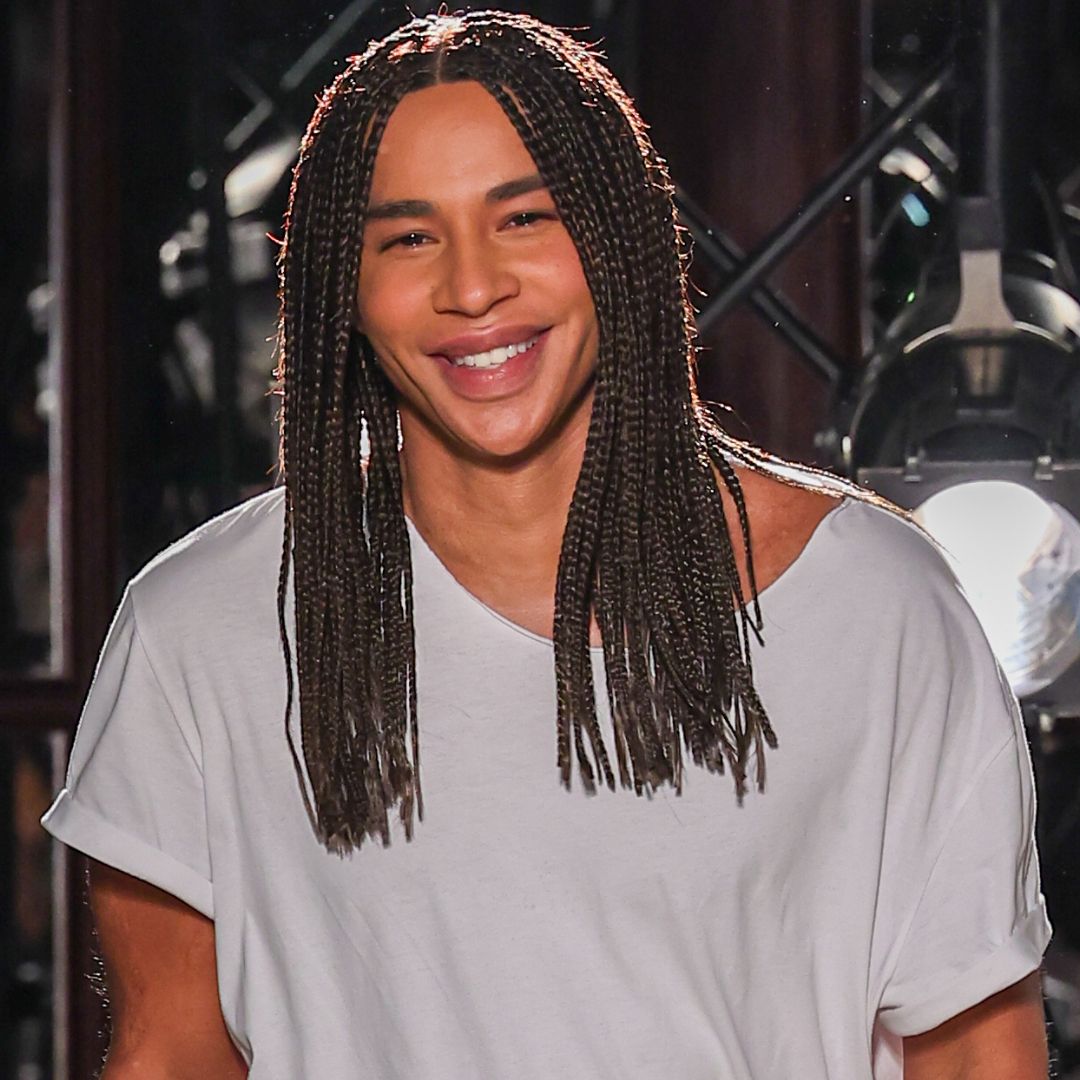
There is a particular kind of quiet confidence that comes from knowing exactly when a chapter ends. Olivier Rousteing's departure from Balmain after nearly 15 years, and his subsequent appointment as creative director of Rabanne, feels less like a career move and more like a deliberate act of self-reclamation. He is not fleeing; he is choosing. And in the world of fashion, where momentum often masquerades as loyalty, that distinction matters. This is a house that has always challenged convention, and now it has a designer who understands that true innovation is not about noise, but about the courage to begin again. The news carries a certain weight, one that echoes the recent shift we saw with J.Lo trades her signature bodysuit for tailored ease in Milan, where the superstar traded her signature silhouette for something softer, more assured. It is a reminder that evolution is not a rejection of the past, but a refinement of it.
For our readers, this is not merely a headline to consume; it is an invitation to observe how style follows intention. Rousteing spent nearly a decade and a half building a specific language at Balmain, one of structure, shoulder pads, and unapologetic glamour. To move to Rabanne, a house known for its metallic discs, architectural experimentation, and a certain space-age sensuality, is to embrace a different kind of rhythm. It suggests a desire to explore texture and material in ways that feel more primal, more connected to the physicality of clothing. This aligns with the mood we have been tracking, the movement toward the quiet-luxury shade replacing the classic neutrals you own, where the value is placed not on loud logos but on the feeling a garment evokes. The practical takeaway here is simple: we are entering a season where personal expression trumps prescribed trends. If you have been hesitating to edit your wardrobe or change your visual identity, this is your signal. The most powerful style statement is not the one that screams the loudest, but the one that whispers with conviction.
What we would tell a reader who asks us about this is to watch how this shift redefines the relationship between designer and house. Rousteing is not inheriting a blank slate; he is stepping into a legacy of fearless creativity, and the expectation is that he will honor that while simultaneously rewriting its rules. We would advise them to look at how this story parallels the idea of the founder-as-muse, which we often discuss in relation to personal brands. It is not about the clothes alone, but the worldview they represent. The most compelling fashion moments are those that feel like an extension of the person wearing them, much like the understated perfection we saw in Katie Holmes's Milan Look Finds Quiet Perfection in a Single Bag. That is the standard we should hold ourselves to, not just in what we wear, but in how we move through transitions. The question that lingers is not whether Rousteing will succeed, but whether the rest of us are willing to be as brave in our own reinventions. Watch closely, because the first collection will tell us everything about whether he sees this as a homecoming or a departure.