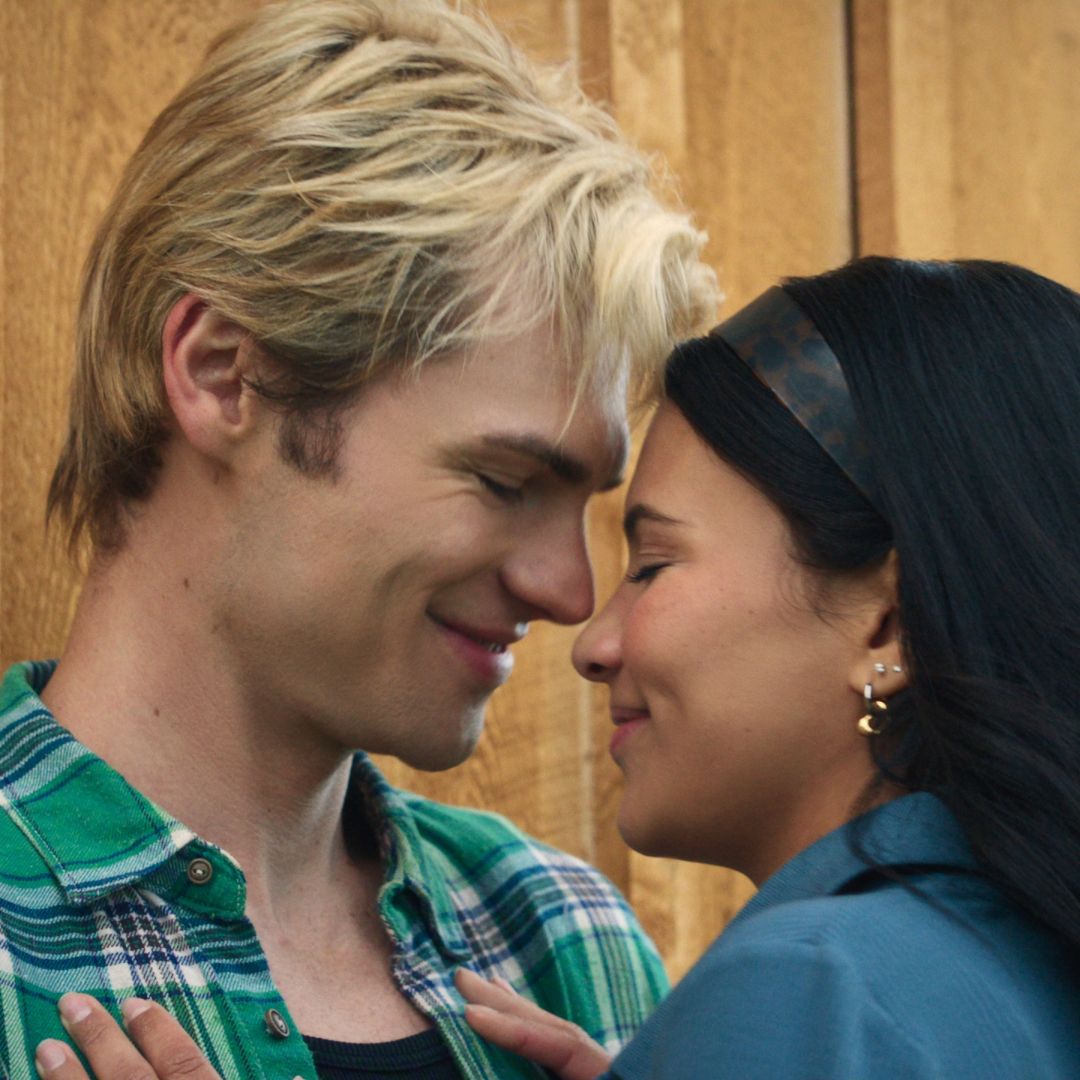
There is a particular pleasure in watching a story earn its own patience. Netflix's decision to renew *My Life with the Walter Boys* for a fourth season, announced before the third even premiered, is not a flex of corporate confidence so much as a quiet acknowledgment that some narratives deserve room to breathe. In an era where every plot point is engineered for the algorithm, the early renewal feels less like a spoiler and more like an invitation to trust the process. We are being asked to settle in, not binge and discard. That is a rare commodity, and it mirrors something we have long admired about the way Mariana Khalil turned personal grief into quiet discipline: the refusal to rush meaning for the sake of momentum.
For our readers, this news is not merely a scheduling update. It is a signal that the show's creative team believes in the slow build, the unglamorous work of character consistency. We would tell anyone asking that this is the moment to stop waiting for the story to "get good" and instead appreciate the architecture of a world that is already standing. The fact that production is underway before the third season has even aired suggests a level of institutional faith that is increasingly rare. It says: we know where this is going, and we trust you to come with us. That confidence is aspirational in its own right, the kind of assuredness that does not need to announce itself. It is the same energy we appreciate in a considered approach to building a custom wardrobe, where the finished product is only as compelling as the intention behind each choice.
What we find most intriguing is the implicit contract being drawn. A fourth season is not a promise of resolution; it is a promise of depth. The show is being given the space to explore the messiness of its characters without the sword of cancellation hanging over every cliffhanger. That is a luxury, and we hope the writers use it to lean into the emotional interiors rather than the plot machinery. For the audience, the practical takeaway is simple: invest in the characters you have, not the ones you wish they would become. Watch how they navigate the ordinary, the uncomfortable, the unspoken. That is where the real story lives. And if the show stumbles, it will not be for lack of ambition, but for the audacity to try something that requires more than a trending hashtag.
The detail to watch, then, is not what happens in the season three finale, but how the fourth season chooses to open. Will it double down on the dramatic tension, or will it exhale into the quieter moments that made the source material resonate in the first place? We will be watching for the latter. Because in a world that screams for attention, the most radical thing a show can do is ask for a little patience. For those of us who prefer our storytelling with a pulse rather than a pulse-pounding beat, that is not just good television. It is a philosophy. And we are ready to subscribe.