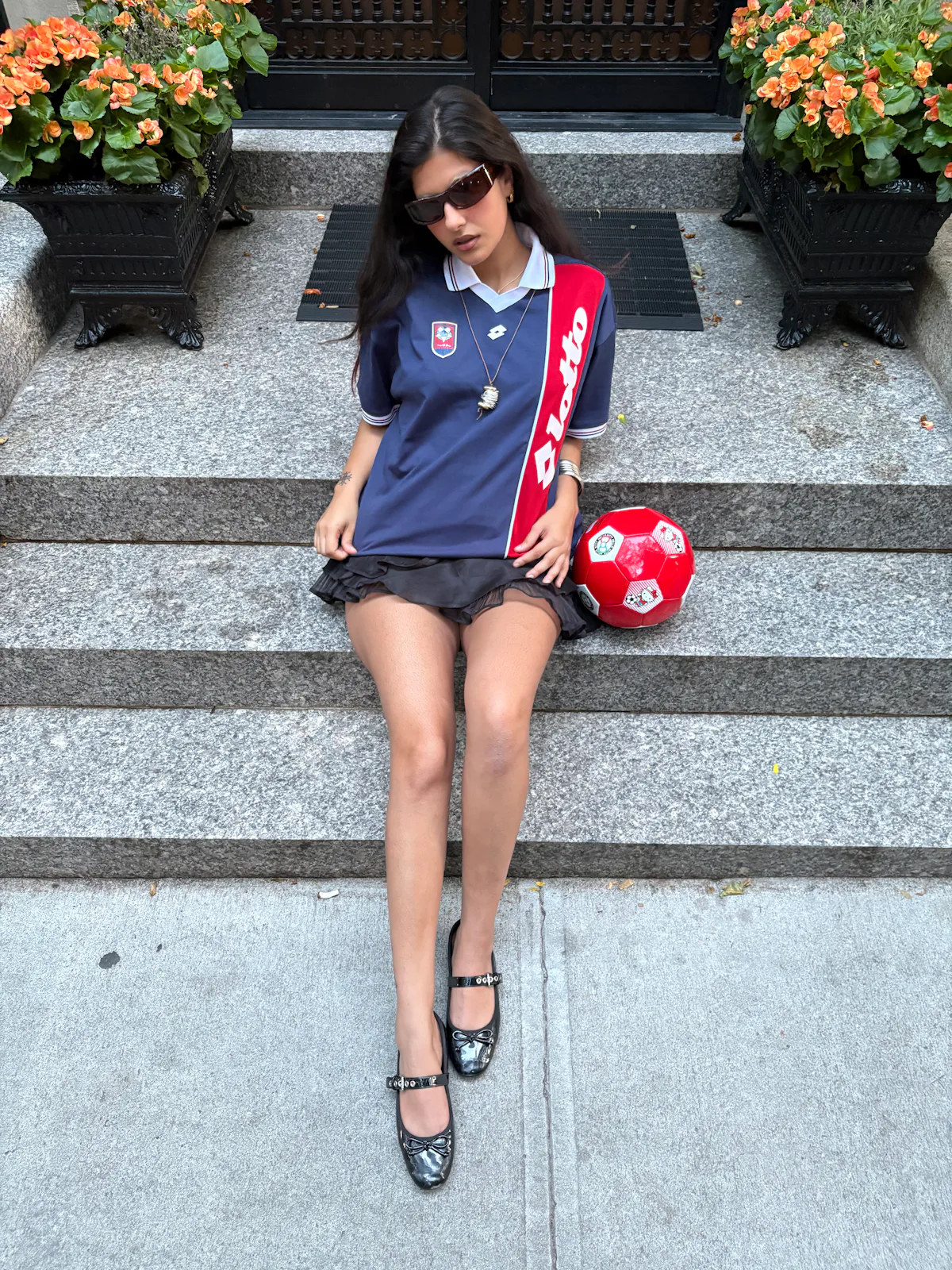
The unexpected rise of the soccer jersey as a mainstream fashion statement feels perfectly aligned with the current cultural moment. It’s a confluence of factors – the undeniable energy of the 2026 FIFA World Cup sweeping across North America, a broader embrace of sportswear as elevated leisurewear, and a desire for a more authentic, less overtly branded aesthetic. We've seen a similar shift in the popularity of classic staples, as evidenced by the enduring appeal of Jennifer Aniston’s casual summer look Jennifer Aniston’s Casual Summer Look Is Filled With Closet Staples, and the cyclical return of playful silhouettes like Selena Gomez's babydoll dress Selena Gomez's Babydoll Dress Is Perfect For Summer. This isn’t simply about following a trend; it's about adopting a feeling, a sense of belonging, and a quiet confidence that transcends logos. The jersey, inherently tied to a team and a community, offers that in a way that a purely luxury item sometimes struggles to achieve. It’s accessible, it’s evocative, and it’s undeniably cool.
The shift represents a fascinating evolution in how we consume and interpret luxury. For years, the prevailing narrative has been one of conspicuous consumption – the louder the logo, the more desirable the item. But that tide is turning. Consumers, particularly younger generations, are increasingly drawn to pieces that feel considered, authentic, and even a little bit understated. The jersey, stripped of its overt athletic context and styled with intention, becomes a canvas for personal expression. It’s a rejection of the hyper-branded world and an embrace of something a little more…human. Think of the effortless chic captured in the recent Wimbledon looks Cool-Girl Wimbledon Looks To Recreate This Summer – a similar sensibility of appreciating timelessness and understated elegance that now translates to the world of sportswear. This isn't about being a die-hard soccer fan; it’s about appreciating the aesthetic and incorporating it into a personal style narrative.
Beyond the immediate trend, the soccer jersey phenomenon speaks to a broader cultural reset. We’re moving away from a culture of constant self-promotion and towards one that values authenticity and connection. The jersey, with its inherent ties to a team, a city, or a nation, taps into that desire for belonging. It’s a subtle way of signaling shared values and interests, creating a sense of community without the need for overt pronouncements. This resonates deeply with the current mood—a longing for genuine connection in an increasingly digital world. It also highlights the power of unexpected sources to influence fashion. The runway and traditional luxury houses are no longer the sole arbiters of style; street culture, sports, and global events are playing an increasingly significant role in shaping trends.
Looking ahead, it will be interesting to see how brands adapt to this shift in consumer sentiment. Will luxury houses continue to collaborate with sports teams, blurring the lines between athletic wear and high fashion? Will we see a rise in vintage or upcycled soccer jerseys, reflecting the growing demand for sustainable and unique pieces? Ultimately, the soccer jersey’s moment in the fashion spotlight suggests that the future of style lies not in chasing fleeting trends, but in embracing authenticity, connection, and a quiet confidence that radiates from within — a sentiment deeply aligned with a sense of intentionality and personal expression.