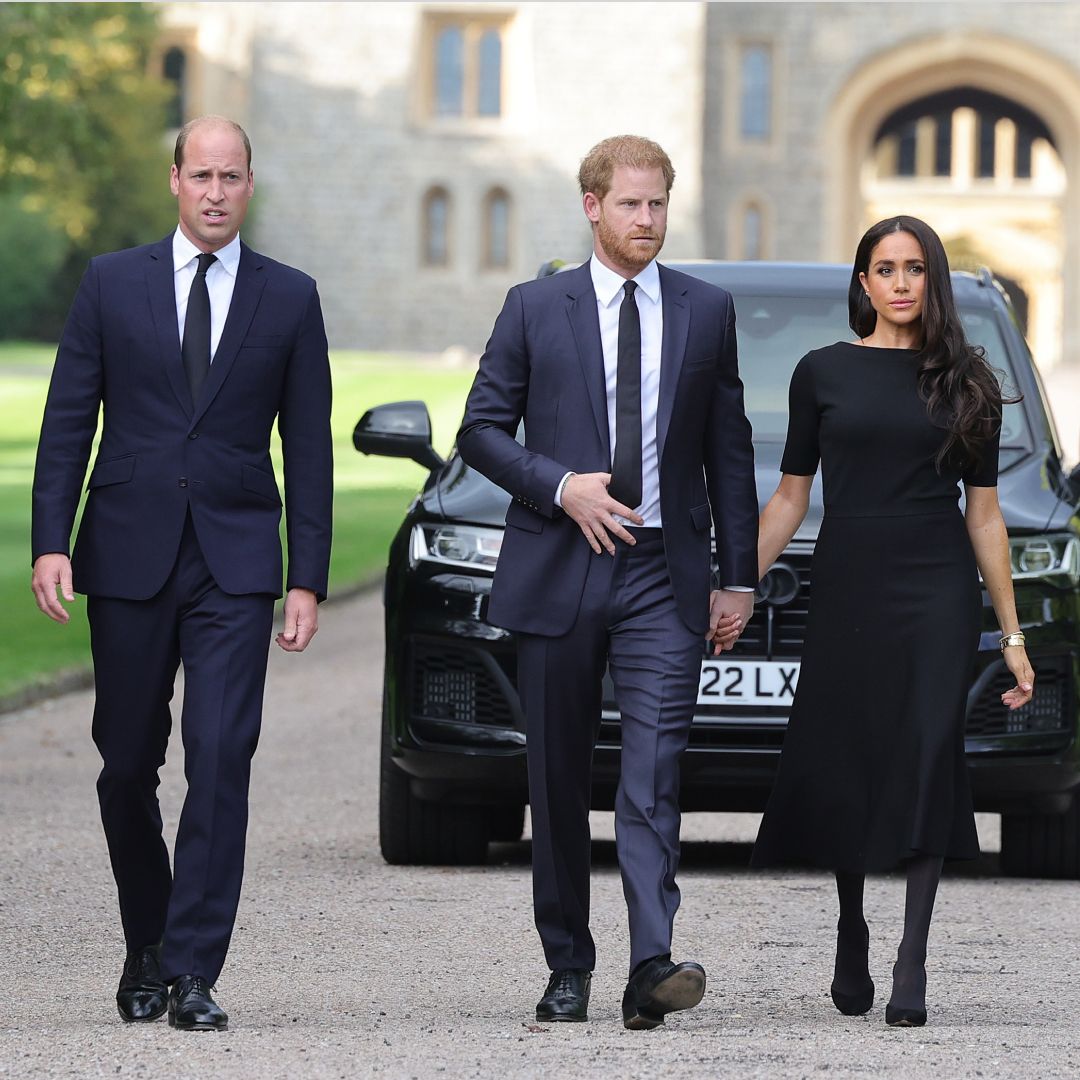
There is a particular stillness in the way Prince Harry and Meghan Markle have returned to British soil, a homecoming that feels less like a reunion and more like a quiet negotiation with the past. The physical distance has collapsed, yet the emotional chasm remains untouched. "It makes no difference if Harry and Meghan are in Oxfordshire, California or Timbuktu," a royal insider recently shared, and that line lingers because it speaks to a truth we often avoid: proximity cannot heal what communication has already severed. The brothers have not spoken in years, and a source told *People* that the Waleses are resisting any knee-jerk reaction to this UK return. We are watching a family master the art of emotional restraint, though whether that restraint is dignity or damage is the question that hangs in the air.
This story feels like a continuation of a longer pattern, one that echoes through the archives of this very publication. We have reflected on how Princess Diana was drawn to reinvention, a woman with "a mischievous attraction to reinventing herself," as her brother Charles Spencer once noted. There is a parallel here that is difficult to ignore. Harry and Meghan's move is its own form of reinvention, a recalibration of where they belong and what they are willing to endure. Yet reinvention requires a certain grace from the other party, a willingness to see the new shape without flinching. Instead, we see the opposite. The Waleses are not meeting the moment; they are holding their ground. And while we might be tempted to take sides, the more honest take is that this is not about who is right. It is about what happens when two people who share blood and history decide that silence is the safest language.
The practical takeaway for our readers is simpler and more uncomfortable than the tabloid drama suggests. We have all had a version of this relationship, the one where you are in the same room but miles apart, where the geography of the heart refuses to align with the map of family obligation. King Charles' enduring hope, a desire that reportedly "burns still," suggests that the door is not locked, but a door that is not locked is not the same as an open one. What we are witnessing is not a story about a royal rift as much as it is a study in what happens when we stop fighting for the people we love and start protecting ourselves from them instead. That is a lesson that translates beyond palace walls. It is the quiet, devastating arithmetic of setting boundaries with the people who once defined you.
What we would tell a reader who asked us about this is straightforward: do not look for a villain here, because there is not one to find. Look instead at the cost of being right, the price of self-protection. The Waleses are avoiding a "knee-jerk reaction," which sounds prudent, but prudence can be its own form of coldness. The open question we are left with is whether this return will soften anything or simply confirm that some distances are not measured in miles. Watch what happens in the next few months, not in the headlines, but in the small gestures: who reaches out, who stays silent, who decides that being the bigger person is no longer worth the ache. That is the detail that matters, because that is where the truth of this family, and of our own, quietly lives.