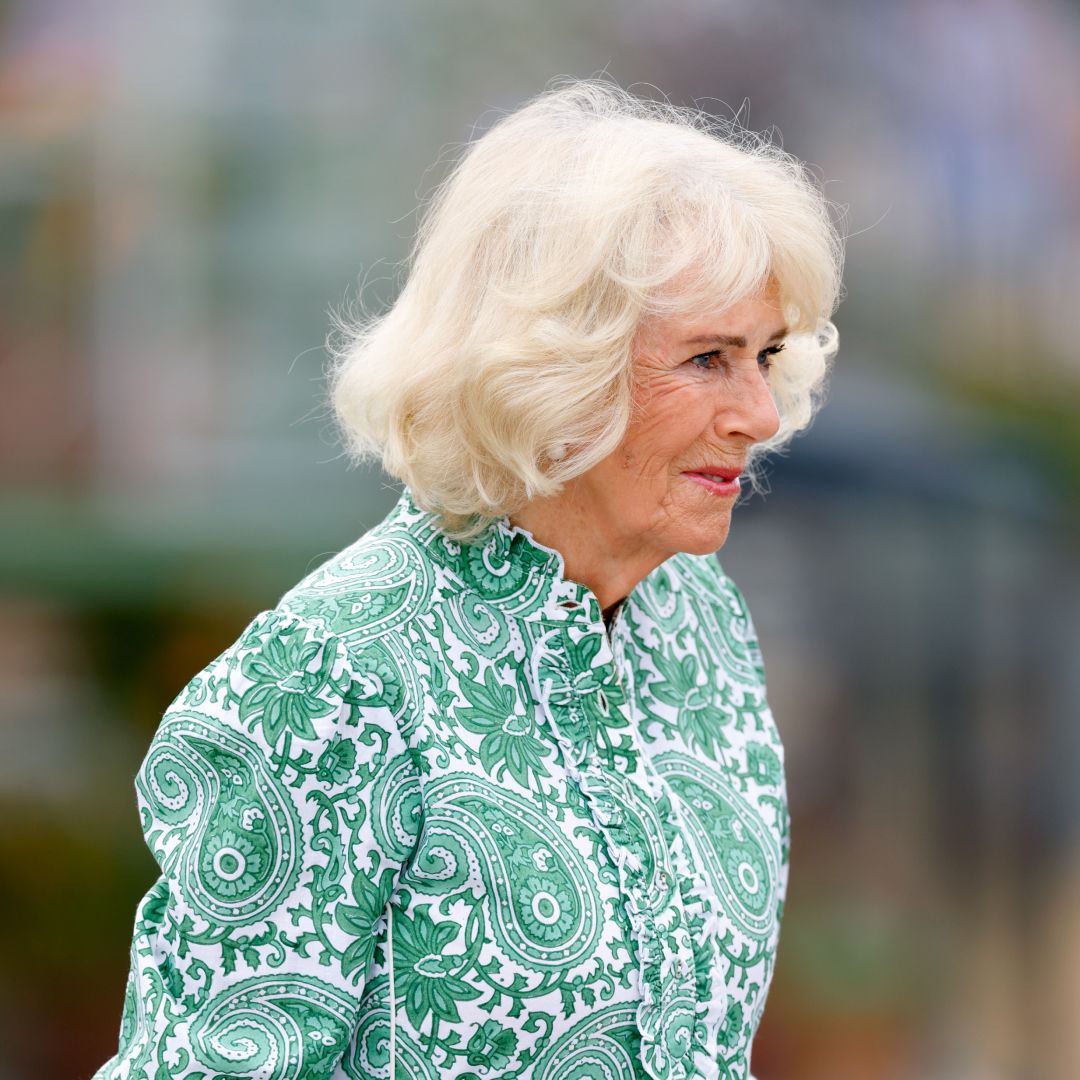
There is a particular kind of strength that does not flinch, but also does not raise its voice. It is the strength of a closed door, of a held tongue, of a face that reveals nothing yet feels everything. This week, the news that Queen Camilla was reportedly "hurt" by comments in the Duke of Sussex's memoir reminded us that grace is rarely about the absence of injury, but rather the quiet refusal to weaponize it. While the headlines scream about relocation and royal rifts, the real story is softer, more private, and far more telling. It is a story about how a woman who has spent decades in the public eye chooses to move through the world with her dignity intact, even when the world is not always kind in return.
This is not a call for sympathy, nor a demand for an apology. We have all seen how Prince Harry Reflects on a Joyful Return to British Soil and how the narrative of return is being framed as a homecoming rather than a reckoning. But for those of us watching closely, the quiet grace of the Queen is a masterclass in emotional sovereignty. She does not need to explain her hurt, justify her reaction, or defend her position. She simply exists within it, allowing the feeling to pass through her without letting it define her. This is the lesson we can all carry into our own lives: you do not have to perform your pain to prove it is real. The most powerful response to being slighted is often the one that requires the most composure, the one that whispers, "I am still here, and I am still me." We would tell any reader who asks that this is not about taking sides, but about observing the elegant difference between reaction and response.
The deeper truth, however, is that this moment is less about the Duke and Duchess and more about the standard of womanhood we are all being invited to observe. It is reminiscent of the Sovereign's Quiet Ritual of Resourceful Royal Soaks, where waste not, want not is applied not just to water, but to emotional energy. There is a certain resourcefulness in deciding where to spend your peace. Camilla has spent a lifetime being cast in roles she never auditioned for, yet she remains unfazed, a study in the kind of confidence that does not need to announce itself. She understands that true power is not in the loud retort, but in the deliberate choice to remain unbothered. This is the takeaway, the one clear thread we can pull for our own lives: hurt is inevitable, but how much space you give it is entirely your own design.
As we watch this chapter unfold, the question we should be asking is not whether Harry will apologize or if Meghan will return to the UK permanently. The more interesting question is what we, ourselves, are willing to release. In a world that encourages us to air every grievance, the Queen's reserved strength offers a counter-narrative: that some things are best kept close, not because they don't matter, but because they are too precious to be thrown into the noise. Watch how she navigates the coming weeks. Watch how she holds her head. That is not weakness; that is the quiet authority of a woman who knows that the best revenge is a life so well-lived that pettiness has no room to breathe. The concrete detail to watch is not a public statement, but the absence of one. In that silence, you will find everything you need to know.