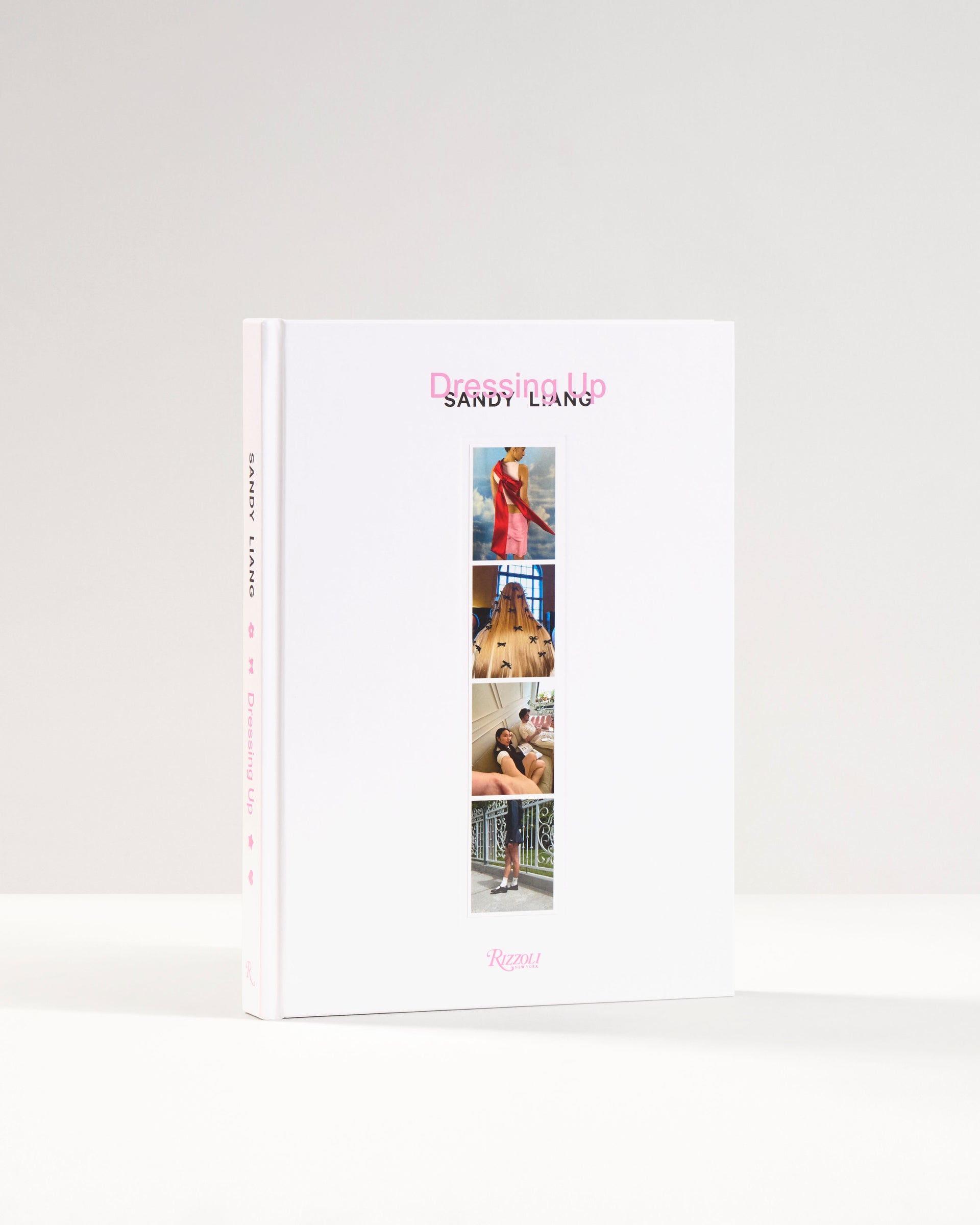
There is a particular magic to the sidewalk outside a Sandy Liang show, and it has nothing to do with the pleated skirts or the cotton candy pink fur. It is the whispers. Everyone in attendance is talking about a memory, their own memory, triggered by a single silhouette or a flash of satin. She has managed to tap into a collective nostalgia that feels both deeply personal and universally shared, which is a rare kind of alchemy in an industry that often confuses noise for relevance. This quiet reflection on her brand's evolution from 2014 to now is not a retrospective; it is a confirmation that the most potent design language is the one that speaks to our inner lives.
For our readers, this is a masterclass in the power of restraint. We often write about the visual codes of style, from the season's sneaker collaborations to the most elegant celebrity pixie cuts, but Liang's work reminds us that true elegance is emotional. It is not about the volume of the logo or the newness of the trend; it is about the feeling a piece evokes when it hangs in your closet, waiting for the right moment. Her brand story is a testament to the idea that you do not need to shout to be heard. You simply need to be specific enough in your own truth that it resonates with someone else's. This is the same principle that guides a refined manicure or a considered shoe choice; it is not about the item itself, but the confidence it instills.
Our take is simple: we would tell a reader that Liang's journey is the clearest argument for buying into a mood, not a moment. Her evolution is a permission slip to trust your own taste, to curate a world that feels like a memory you want to live in, rather than one you are merely observing. The most successful designers do not chase the zeitgeist; they distill it through their own lens, and in doing so, they create a space where their audience feels seen. This is the quiet luxury of connection, a currency far more valuable than any fabric. It is the difference between being a spectator and being a participant in your own aesthetic story.
What we will be watching for is how this narrative deepens. The brand has already proven it can capture a feeling; the open question is how that translates into the next decade of design. Will she lean further into the comfort of nostalgia, or will she push toward the unfamiliar? For us, the concrete point to watch is the layering of these emotional touchpoints into the practical pieces we wear daily. If she can make a single bow or a specific collar carry the weight of a memory, then she has not just built a brand; she has built a mirror. And that is something we can all quietly reflect on.