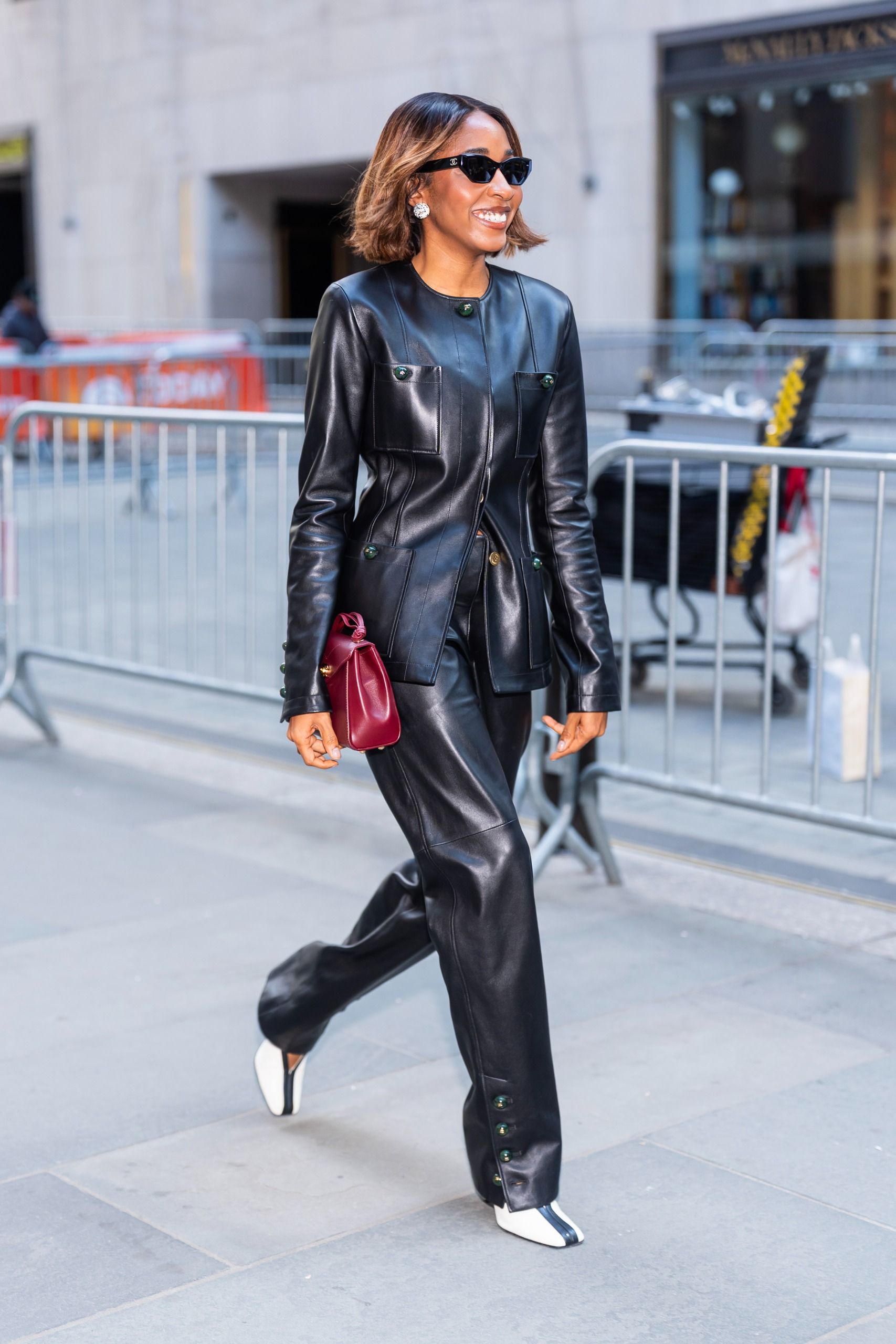
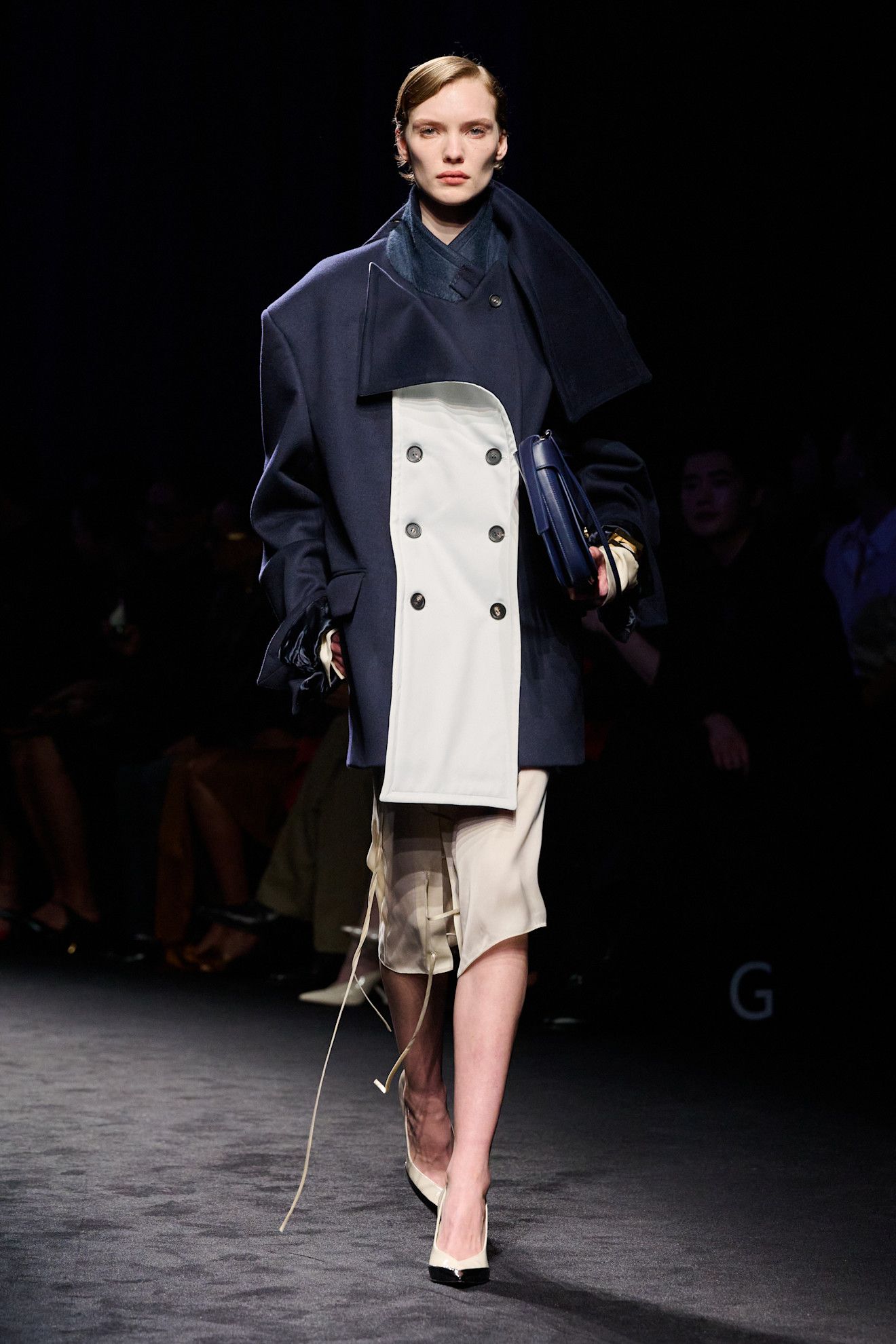
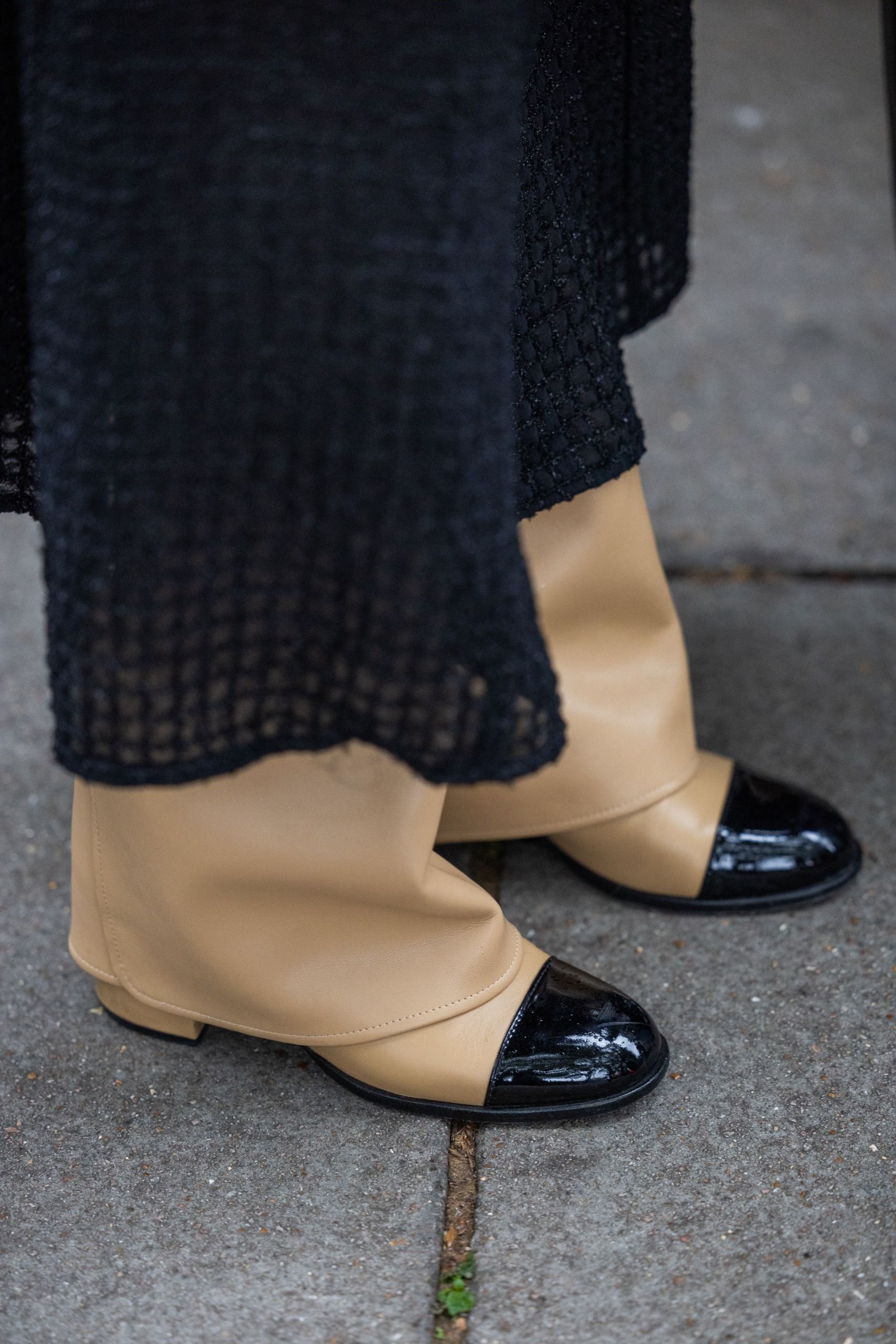
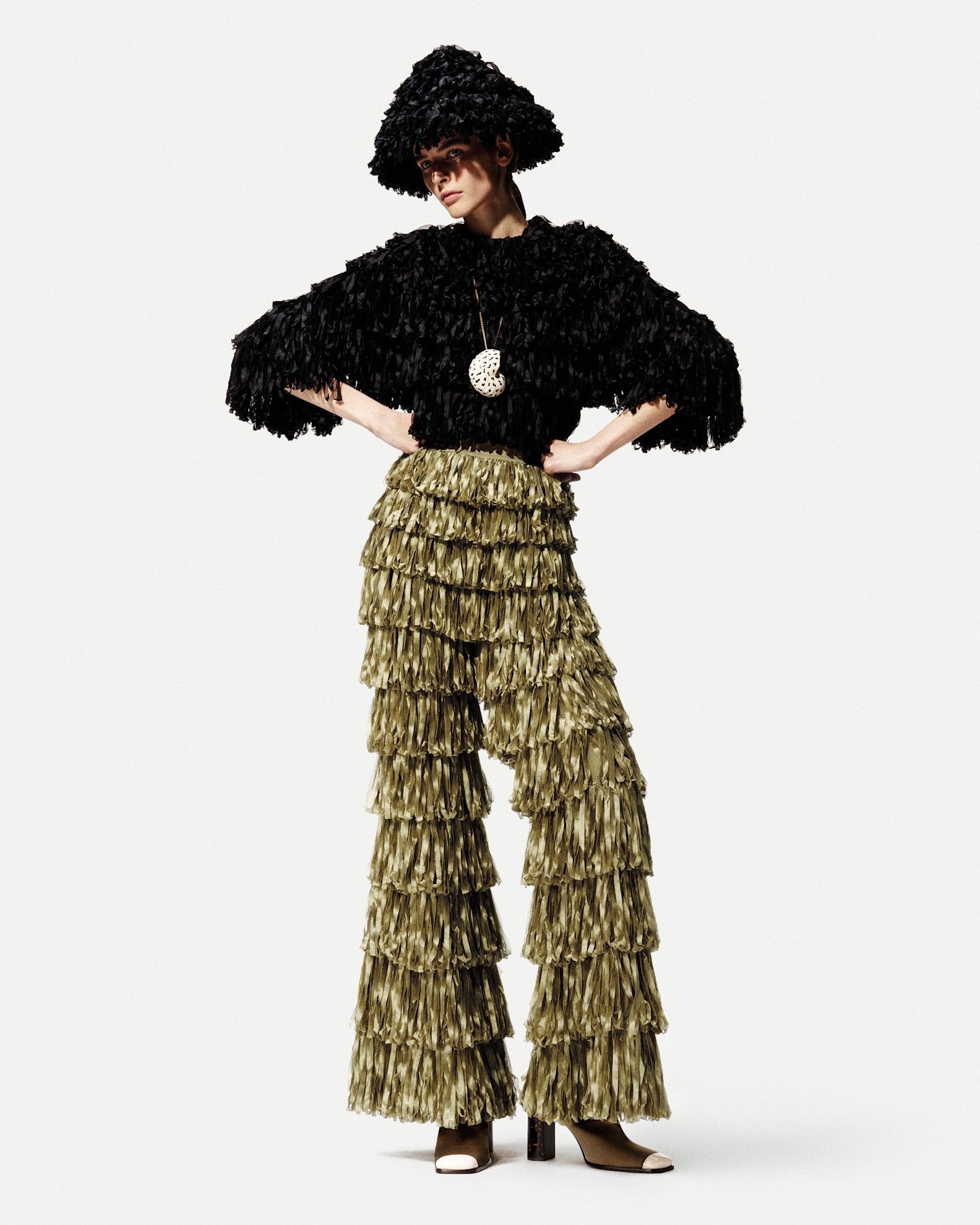
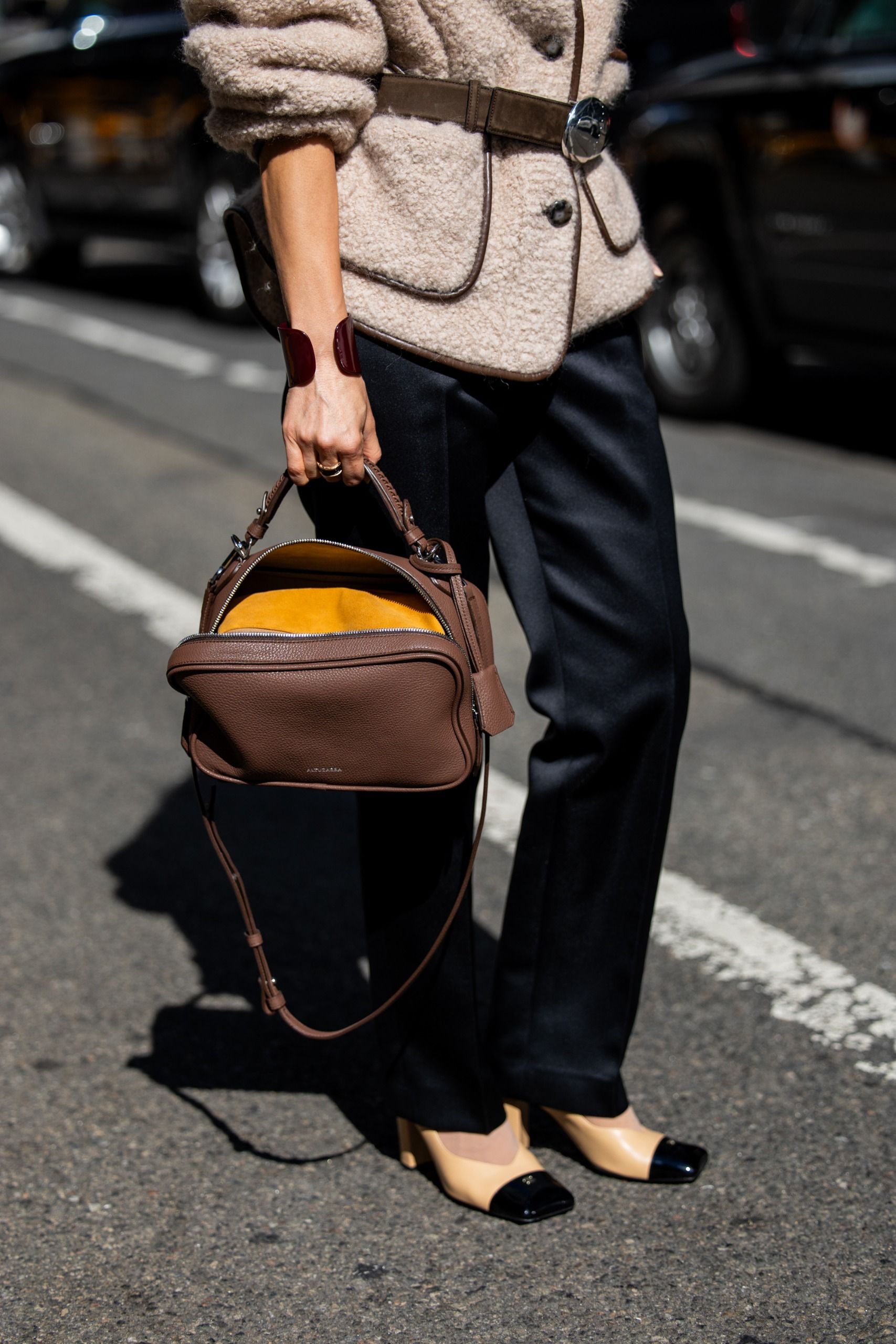
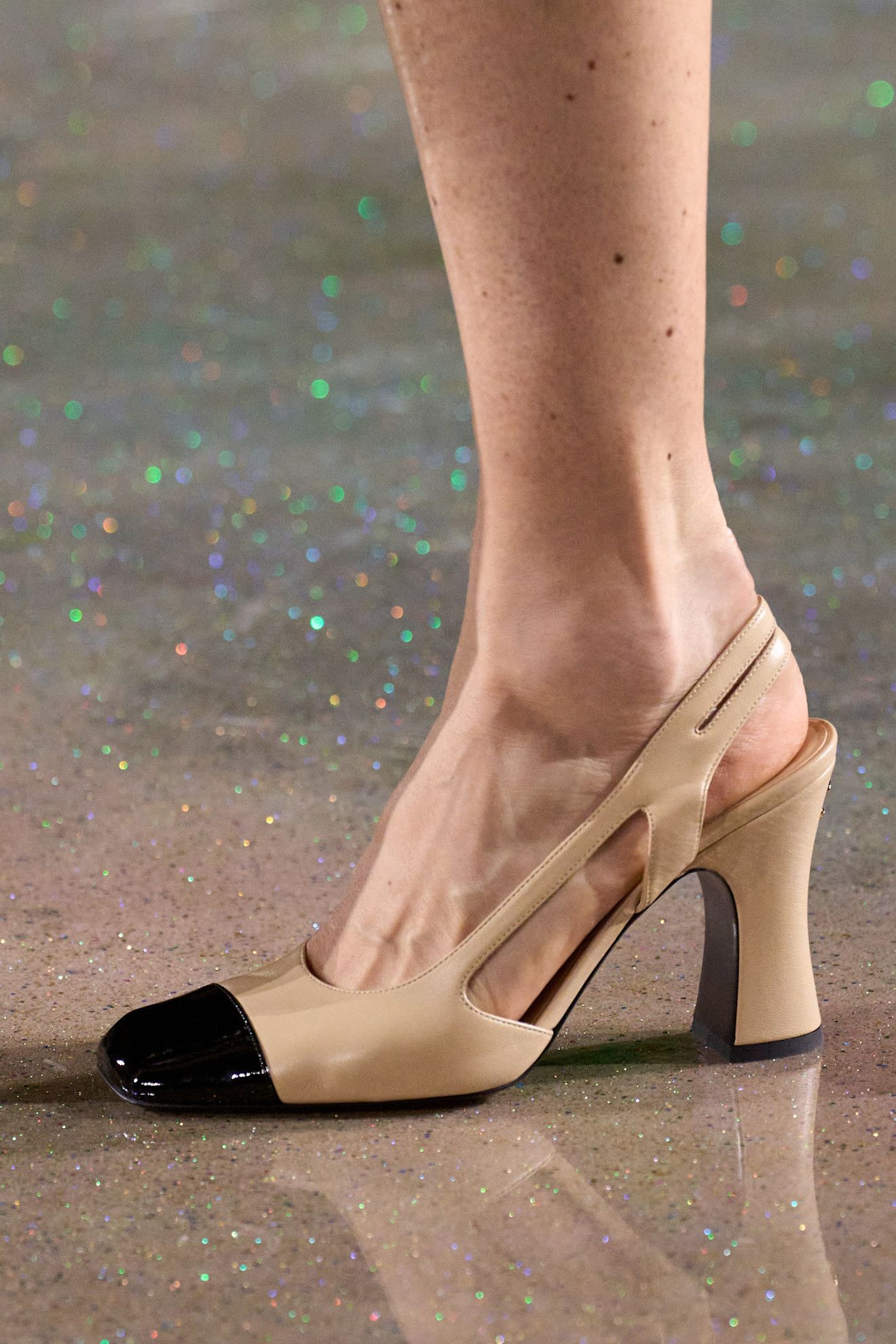
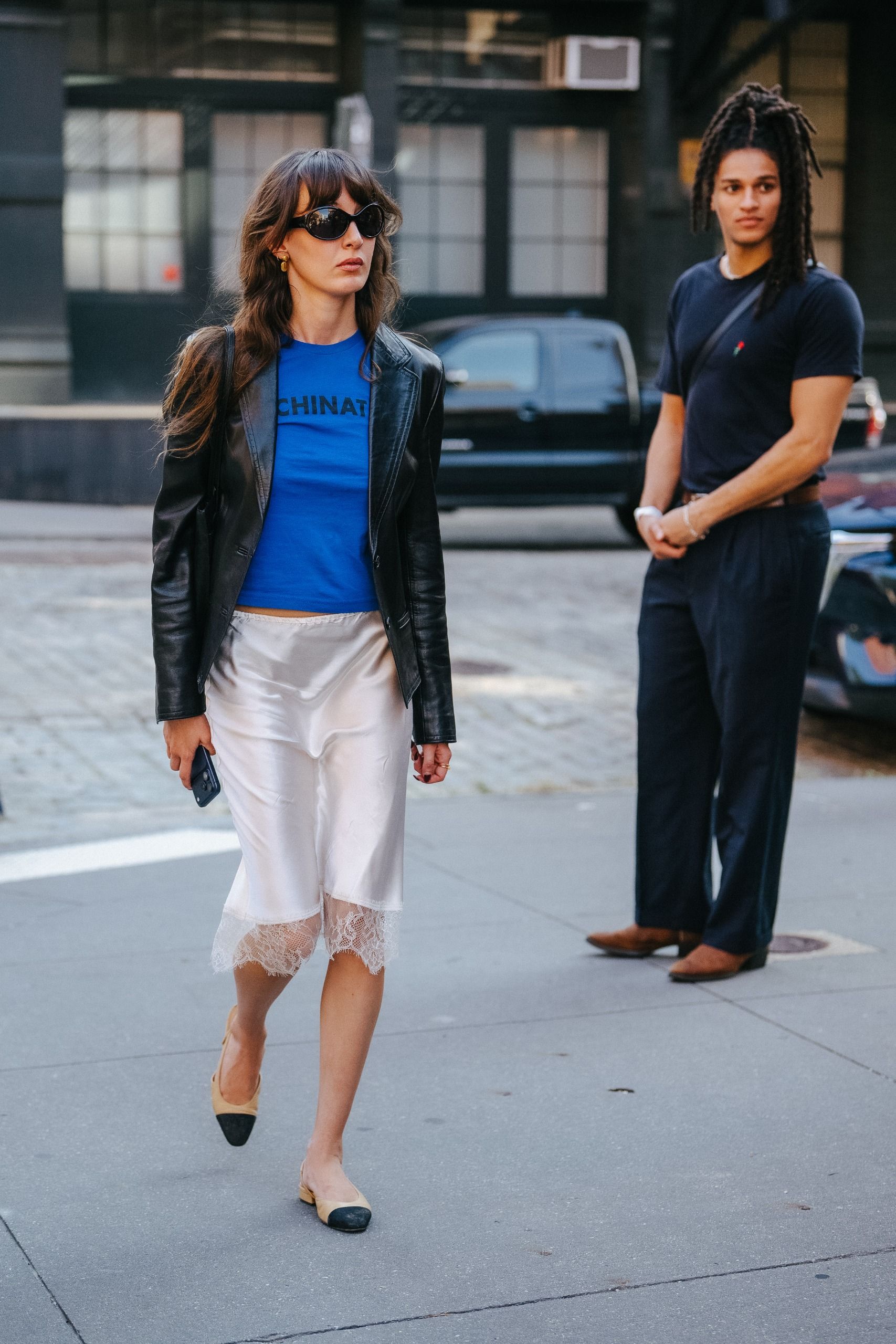
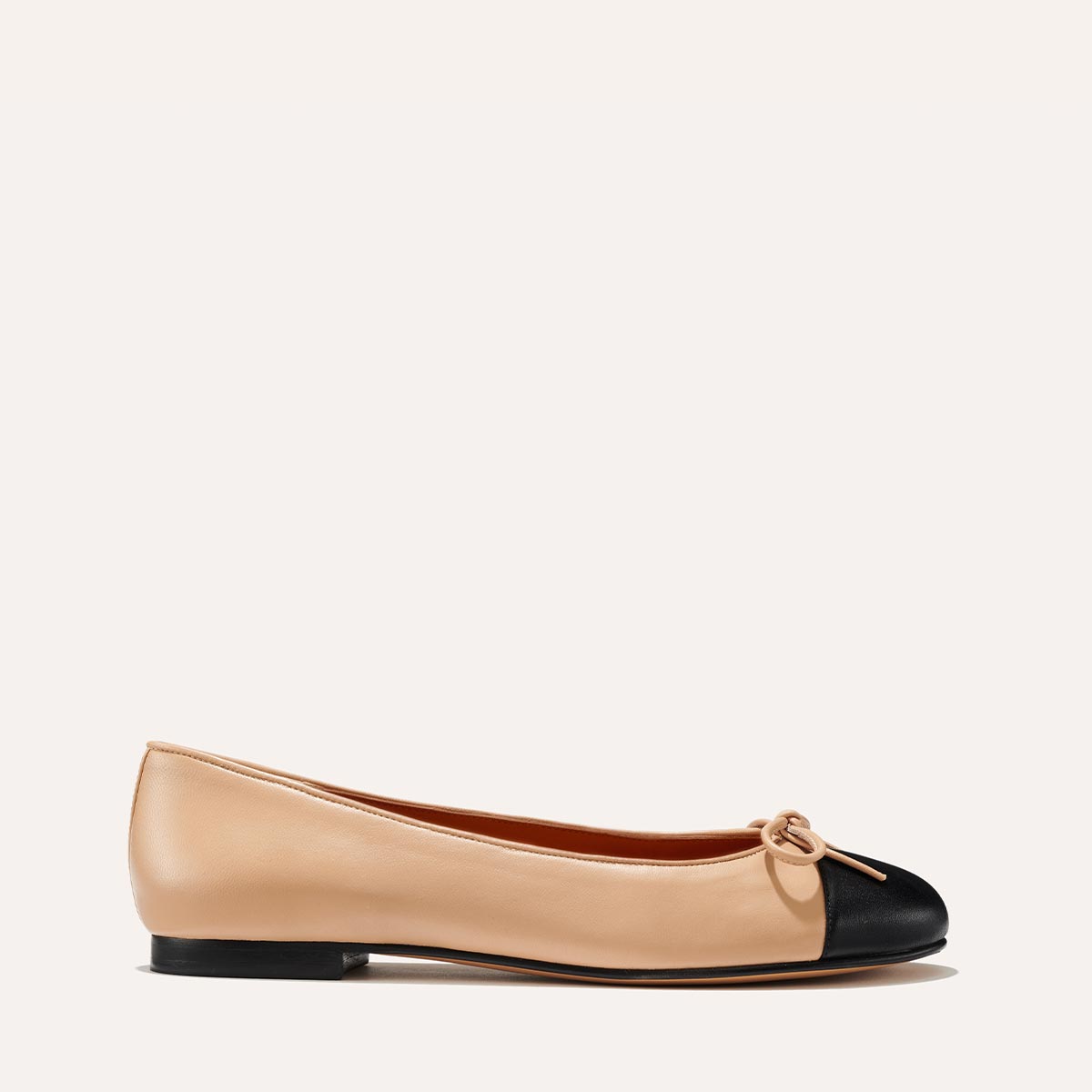
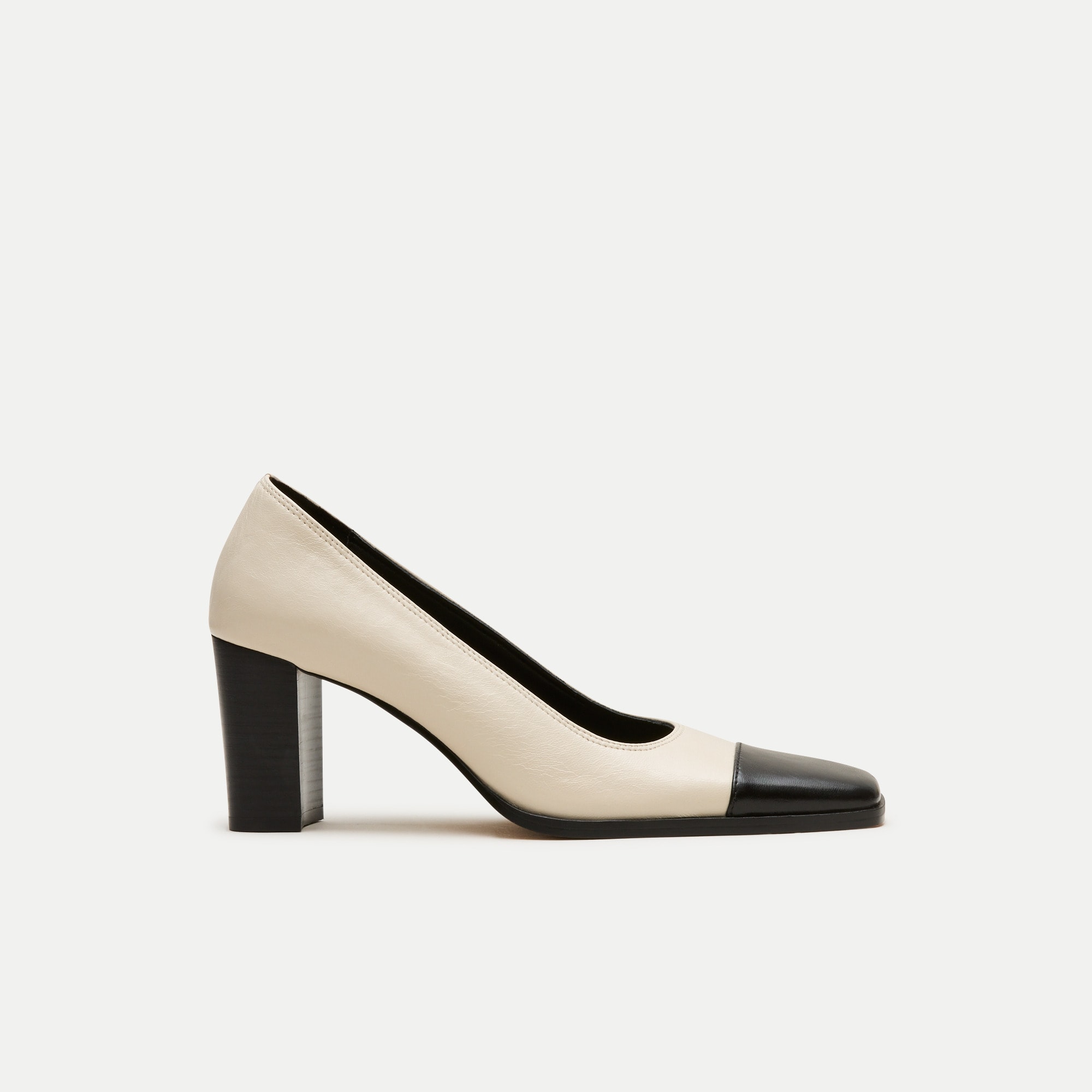
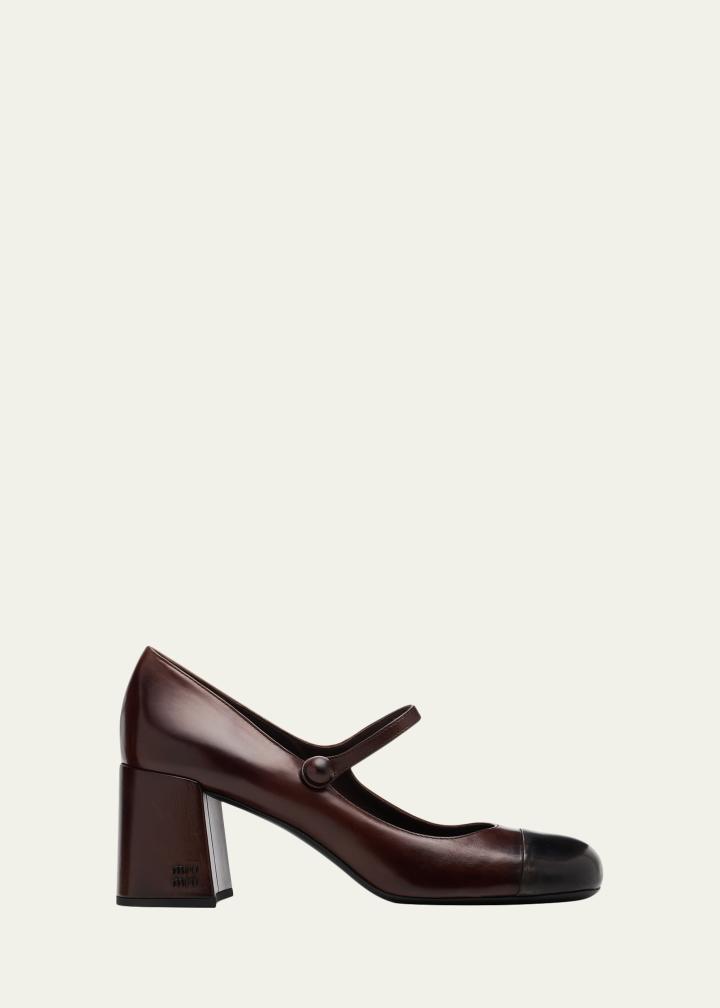
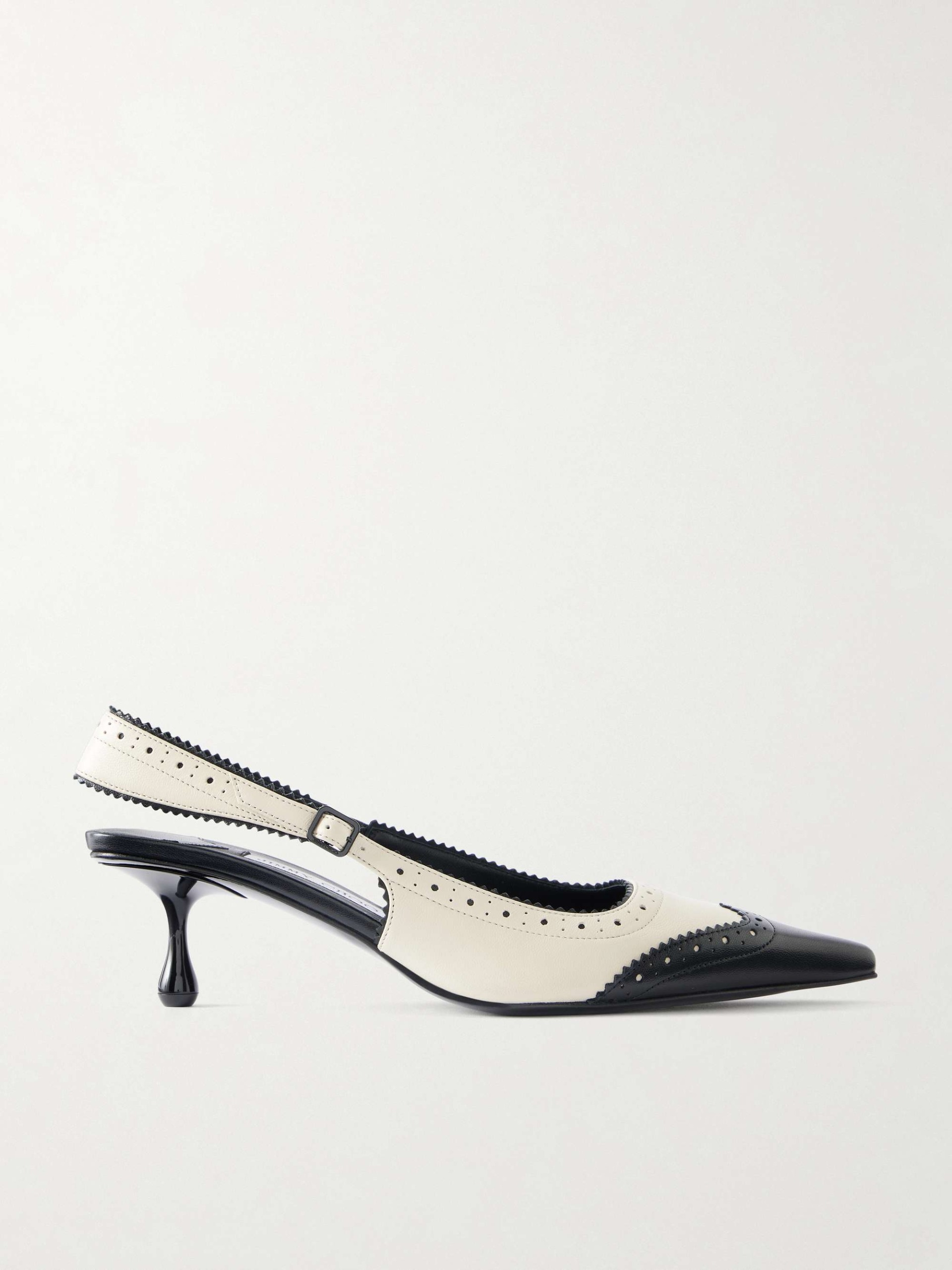
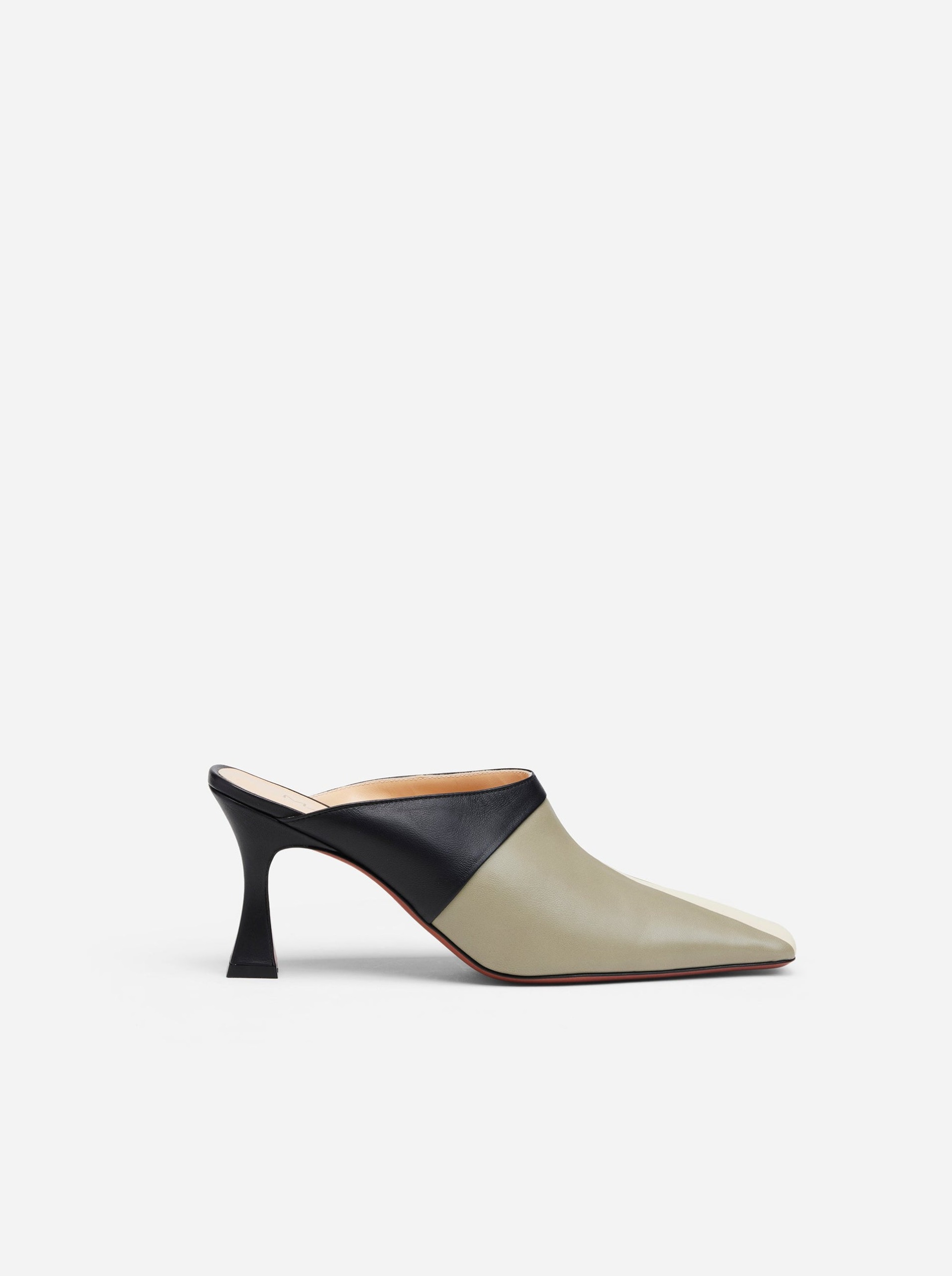
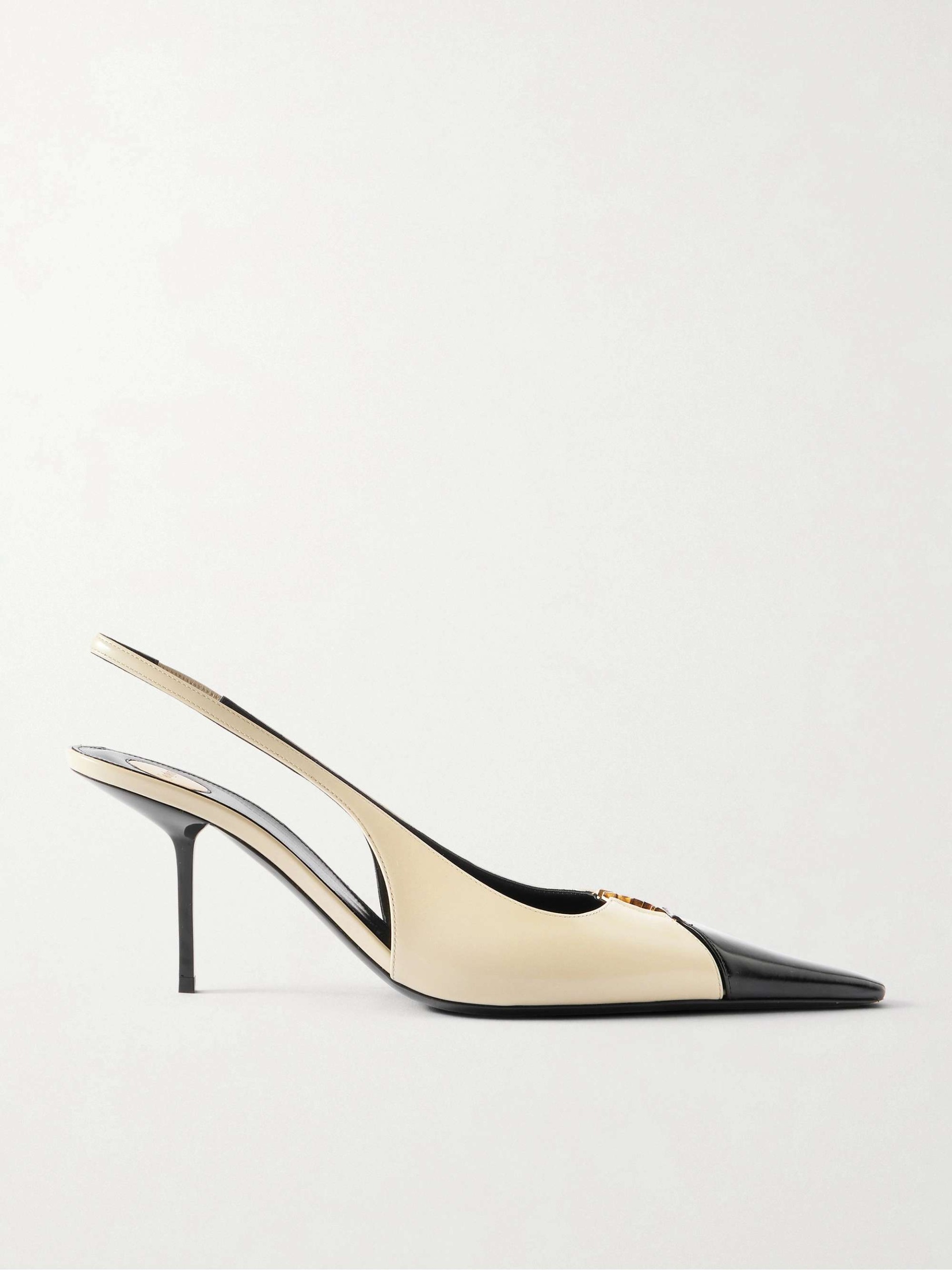
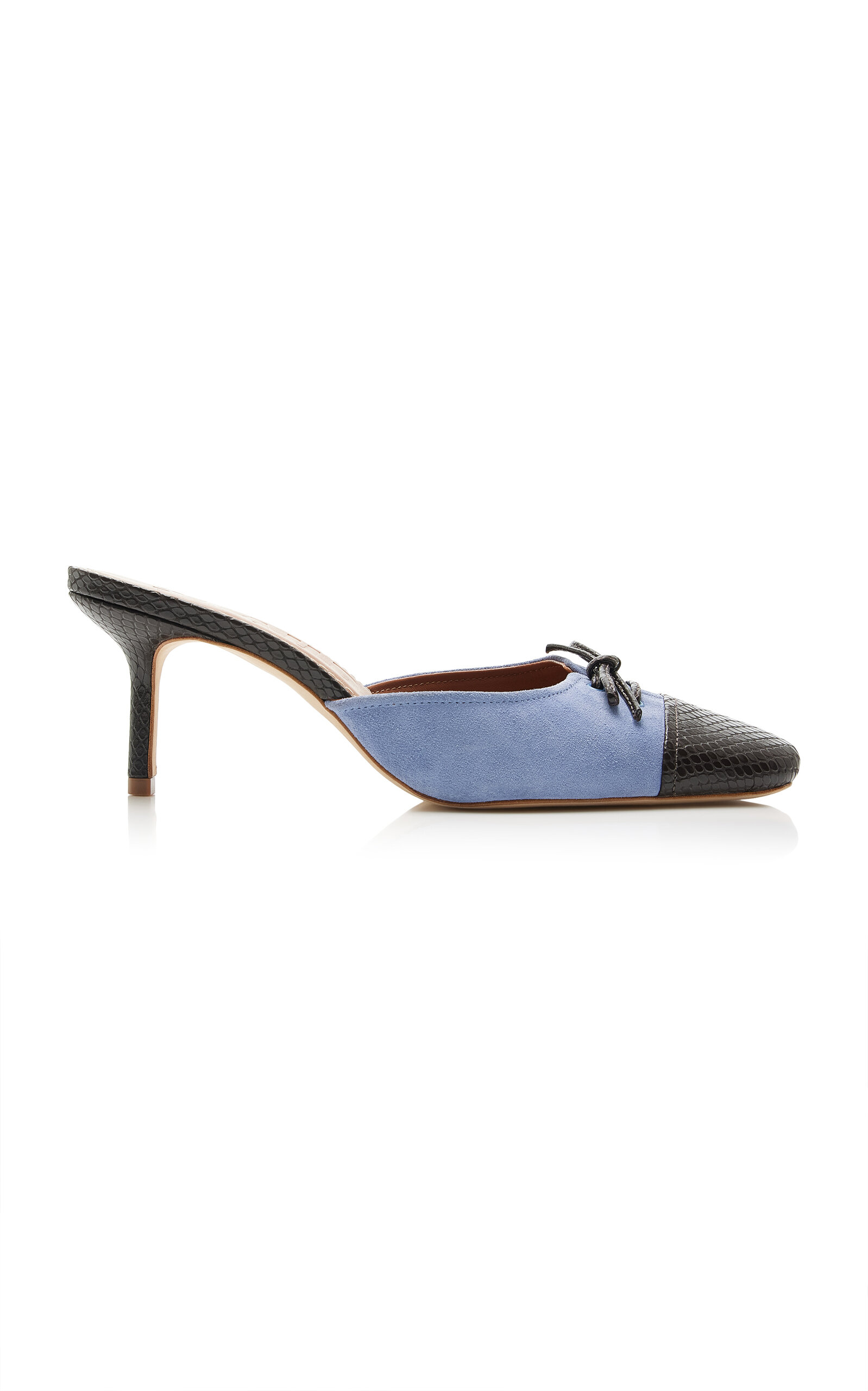
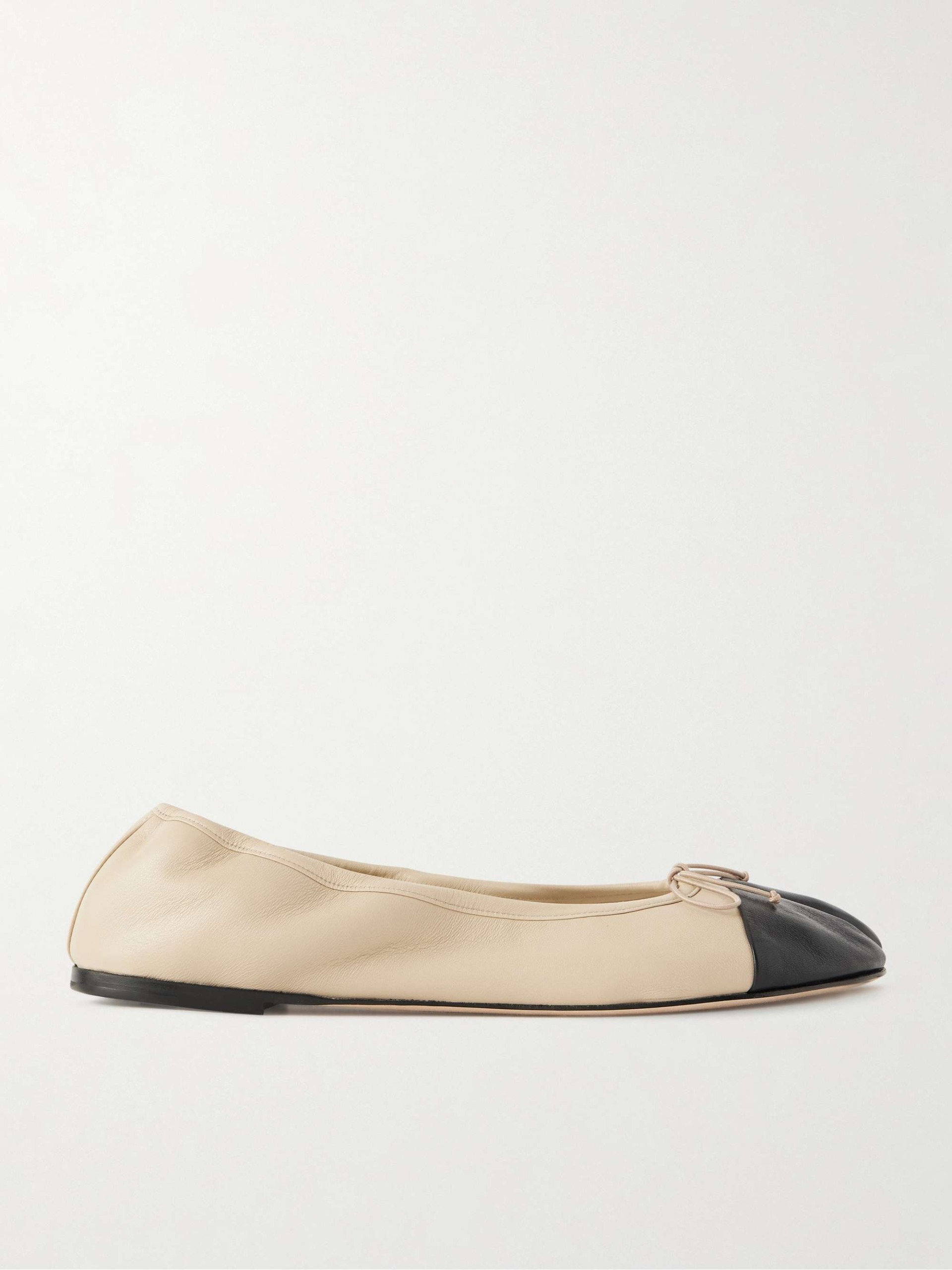
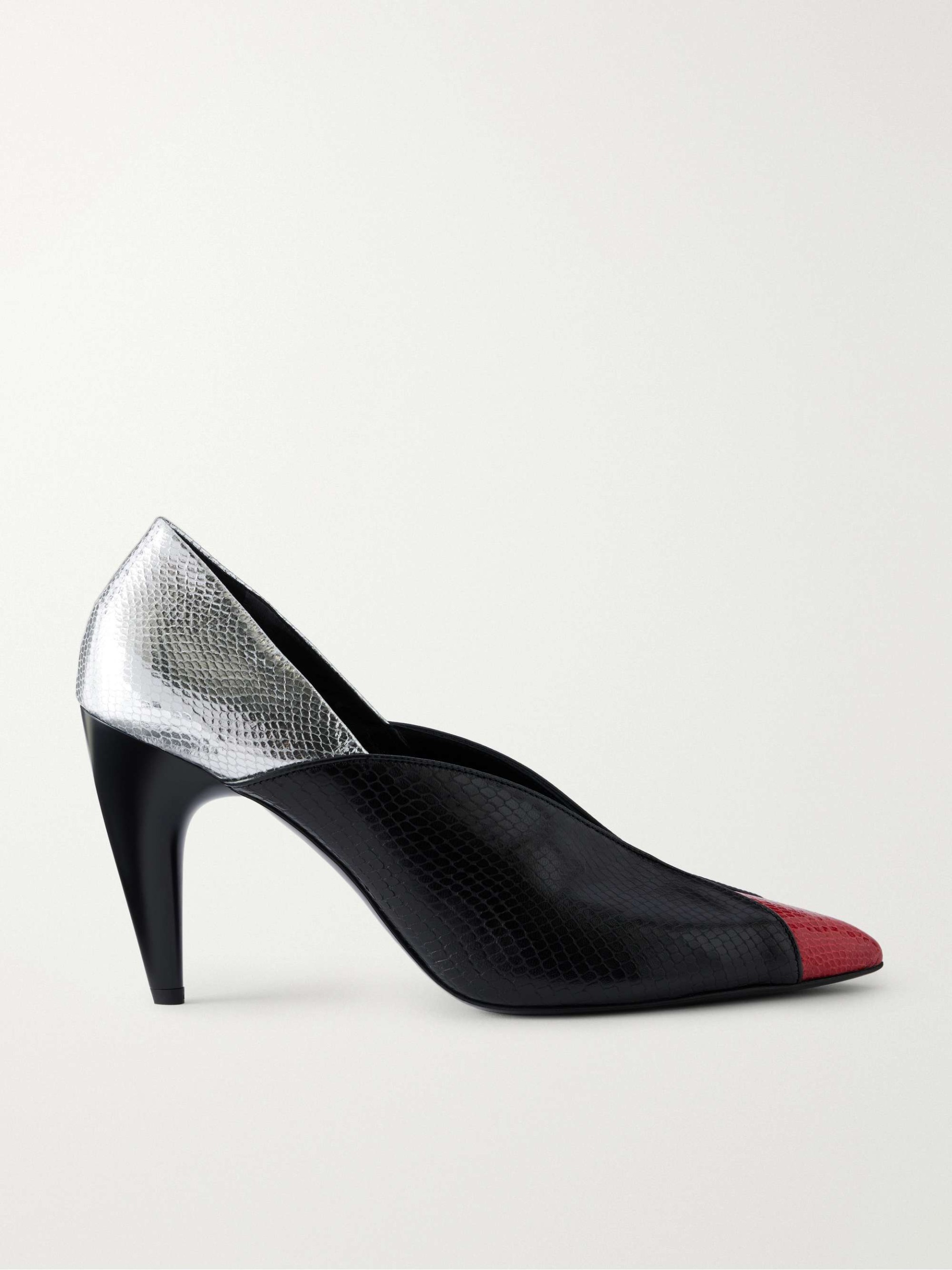
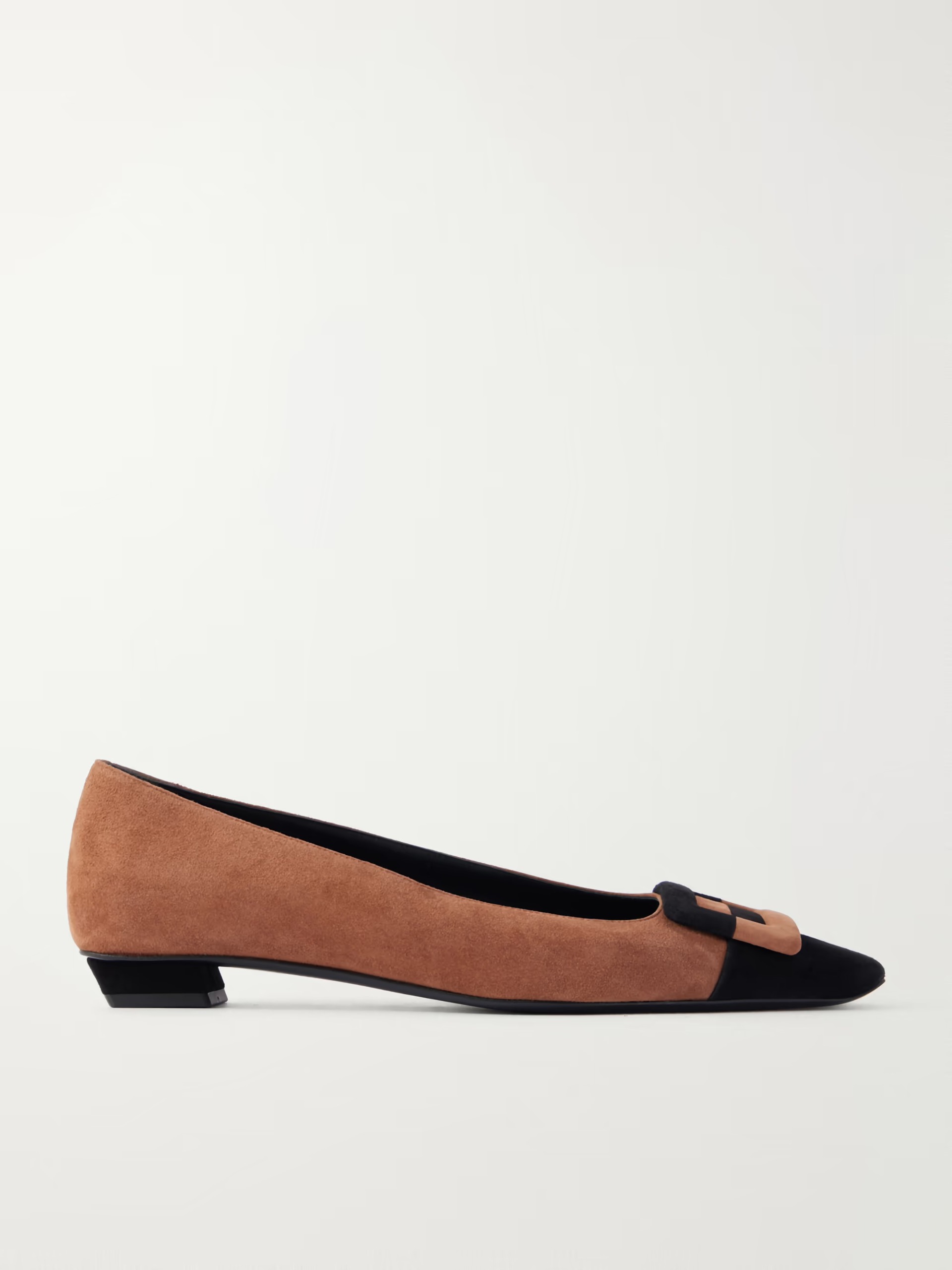
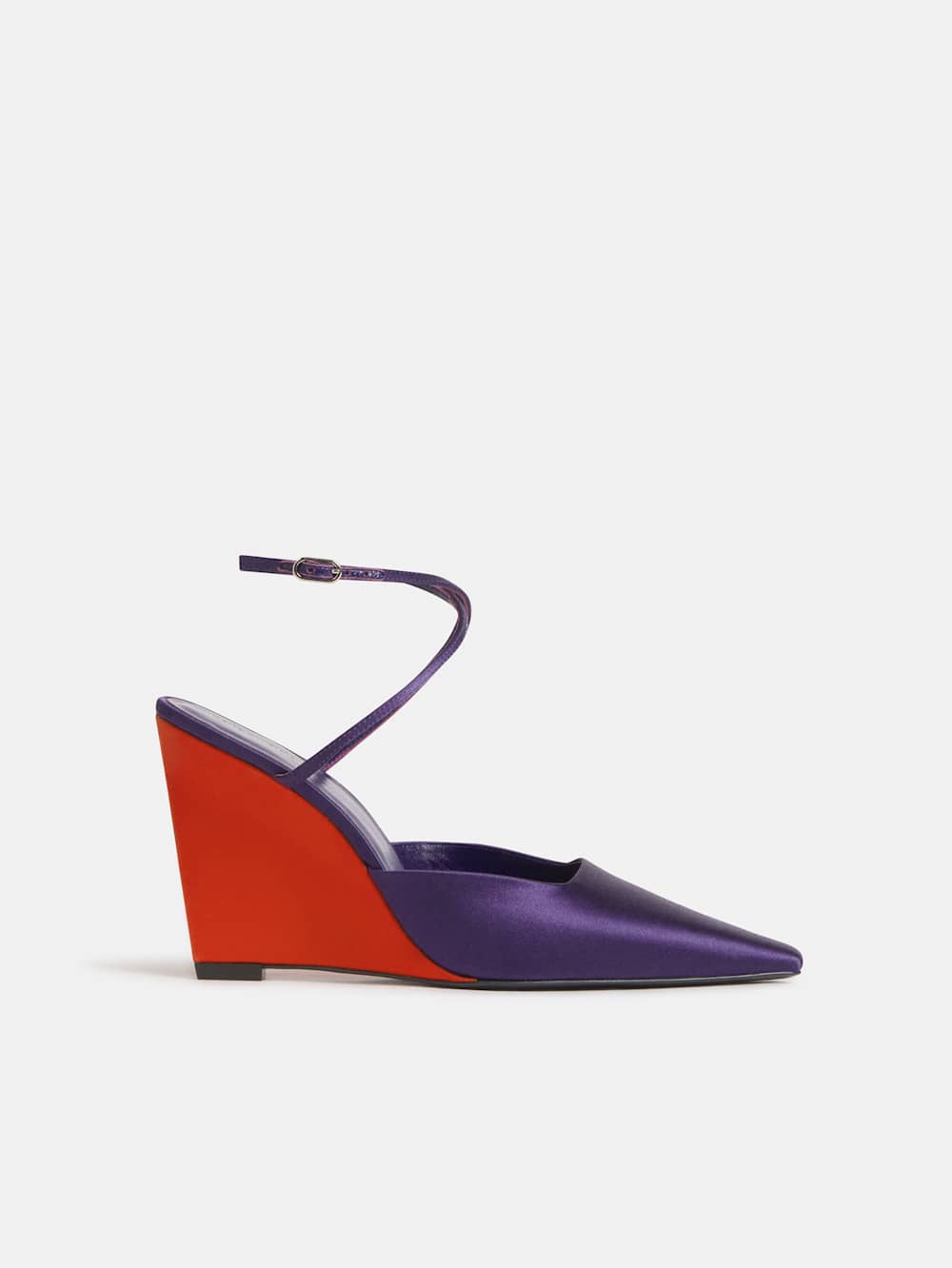
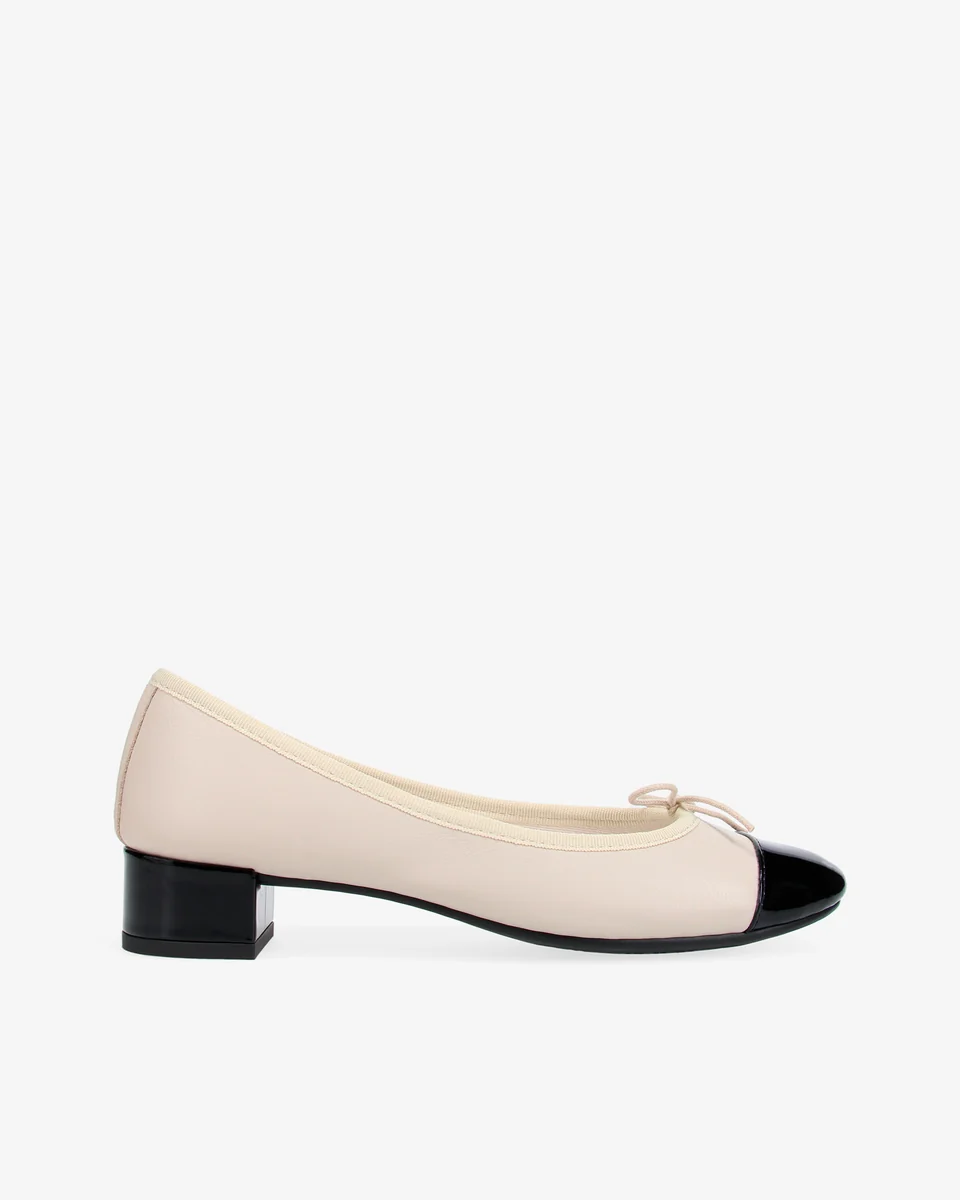
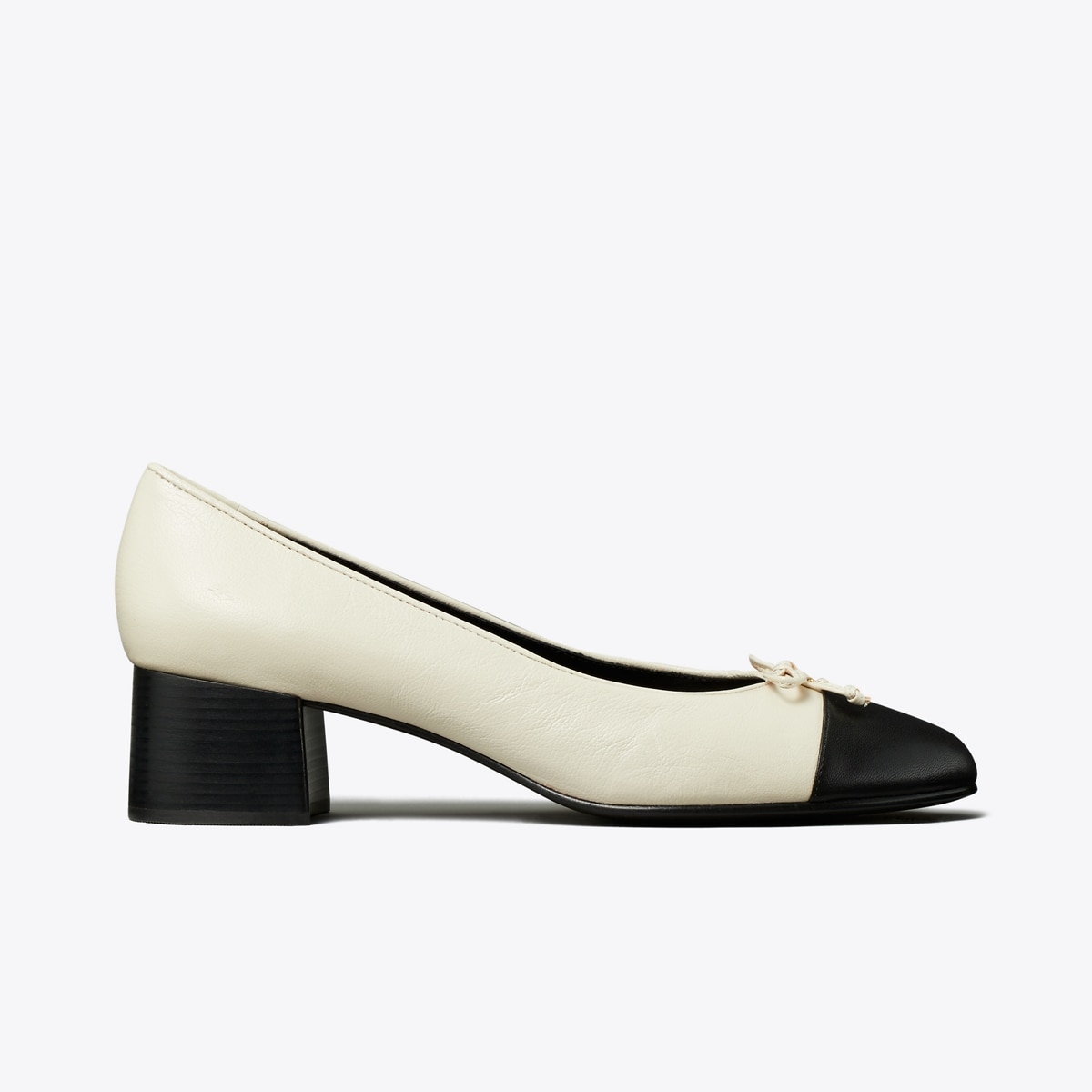
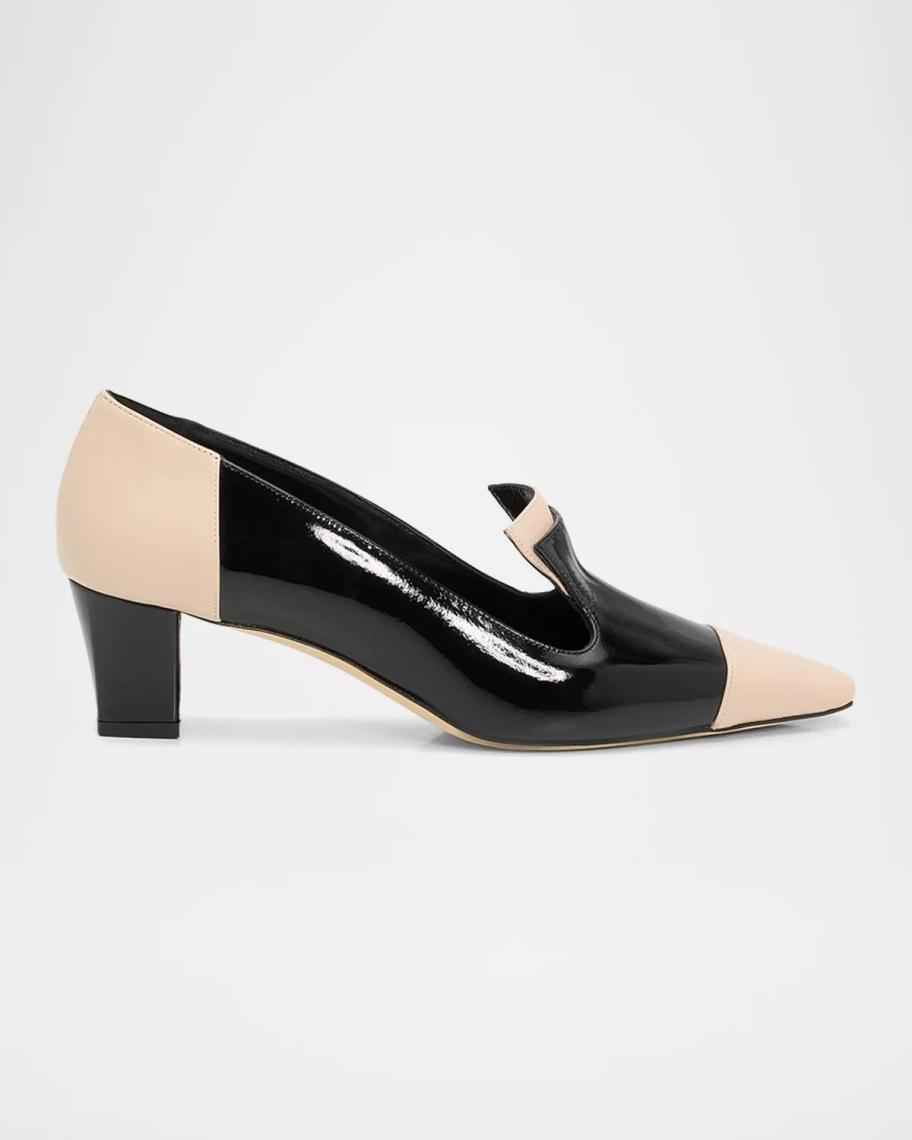
The cyclical nature of fashion is a constant source of fascination, and the recent resurgence of Chanel’s two-tone shoes, as noted in "A Quiet Return: Two-Tone Shoes Find New Resonance," feels particularly resonant within the current cultural landscape. It’s a testament to the enduring power of classic design, skillfully revived by Matthieu Blazy, and speaks volumes about the prevailing shift towards quiet luxury. This isn’t a trend driven by overt branding or fleeting aesthetics, but rather a return to timeless silhouettes and understated elegance, a sensibility that aligns perfectly with our ethos of refined self-expression. The article correctly identifies the historical significance of the shoe, initially introduced by Gabrielle Chanel as a symbol of Parisian polish – graphic yet restrained, a subtle declaration of style rather than a shout. We’ve explored similar sentiments in our recent piece on [Quiet Style: Finding Elevated Moments in Everyday Thrifted Pieces], where we showcased how intentional styling can transform even the most unassuming pieces into elevated expressions of personal taste. The return of this iconic shoe feels like a natural extension of that same philosophy.
The beauty of the two-tone shoe lies in its inherent versatility and the quiet confidence it exudes. It’s a style that transcends seasons and trends, effortlessly complementing a wide range of wardrobes. This echoes the principles we champion – investing in pieces that embody enduring style and allow for personal expression through layering and intentional curation. Think of the mindful approach detailed in [Intentional Layers: Denim, Red Accents, and Effortless Cool], where strategic color combinations and thoughtful details elevate a simple denim ensemble. The two-tone shoe offers a similar opportunity: a foundational element upon which a sophisticated and personalized look can be built. Furthermore, the renewed interest highlights a broader consumer desire for pieces with heritage and meaning, a reaction against the disposable nature of fast fashion. This aligns with the ethos of our community, many of whom actively seek out vintage finds and unique pieces, as demonstrated in "An Unexpected Find: Styling a Unique, Vintage-Inspired Skirt," where a thrifted skirt became the focal point of a creatively styled outfit.
The success of Blazy's reinterpretation isn't merely about reviving a classic; it’s about presenting it in a way that feels both familiar and utterly modern. He's managed to tap into a collective yearning for a return to craftsmanship and timelessness, a rejection of the maximalism that has dominated recent years. This shift is particularly relevant within the broader fashion conversation, where consumers are increasingly discerning and seeking authenticity over fleeting trends. The two-tone shoe, stripped of any ostentation, embodies this desire for understated luxury, a quiet confidence that speaks volumes without needing to shout. It’s a visual embodiment of the "less is more" philosophy, a sentiment we consistently advocate for. The shoe becomes a canvas for personal style, allowing the wearer to express their individuality through the rest of their ensemble.
Ultimately, the resurgence of the Chanel two-tone shoe represents more than just a fashion revival; it's a reflection of a broader cultural shift towards quiet luxury and intentionality. It's a reminder that true style is not about chasing trends but about cultivating a personal aesthetic rooted in quality, craftsmanship, and timeless design. As designers continue to draw inspiration from the past, the question becomes: what other seemingly invisible fashion codes are poised for a quiet return, and how will they be reimagined to resonate with the modern sensibility?