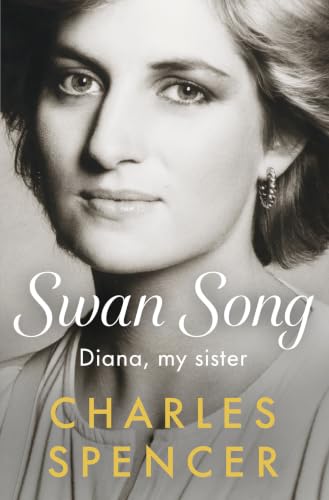
There is a particular kind of exhaustion that comes from performing a version of yourself that was never yours to begin with. Earl Spencer's upcoming book on his sister, Princess Diana, reportedly centers on her inability to live up to what he calls "a narrative of make-believe perfection." We have always sensed this, haven't we? The world saw the fairy tale, the glittering crown, the shy smile. But underneath that carefully curated surface was a woman drowning in the gap between public expectation and private truth. King Charles issued a response that has already sent ripples through royal circles, and the book itself was reportedly stolen from a truck before its September release, as if even the physical object carried too much weight to travel freely.
This is not a story about palace intrigue, though the headlines will dress it as such. It is a story about the quiet violence of expectation. Diana's brother is not revealing state secrets; he is confirming what anyone with eyes and a heart already knew. She was a woman who craved authenticity in a system built on performance. The tragedy is not that she struggled. The tragedy is that she had to hide the struggle to protect the narrative. For our readers, this cuts deeper than royal gossip. How many of us have smiled through the ache? How many of us have shown up to the dinner party, the work presentation, the family gathering, wearing the mask of "fine" because the alternative was too messy for public consumption? We do not need to be a princess to understand the weight of make-believe.
What Earl Spencer is offering is not a revelation but a permission slip. Permission to acknowledge that perfection is a cage, not a goal. The practical takeaway here is not about the monarchy or the media. It is about the stories we tell ourselves. If we continue to measure our worth by the seamless image we project, we will always be at war with our own humanity. The most radical act of confidence, the kind Chiara embodies, is not in perfecting the exterior but in making peace with the interior. We would tell any reader who asks: do not wait for a biography to validate your pain. The moment you stop performing is the moment you begin to breathe. Watch how the narrative around Diana shifts now that her brother has spoken. The real question is not whether she could live up to the illusion, but whether any of us should be expected to try. The detail to watch is how Spencer frames the ending, because the way we talk about a woman's struggle says more about us than it ever says about her.