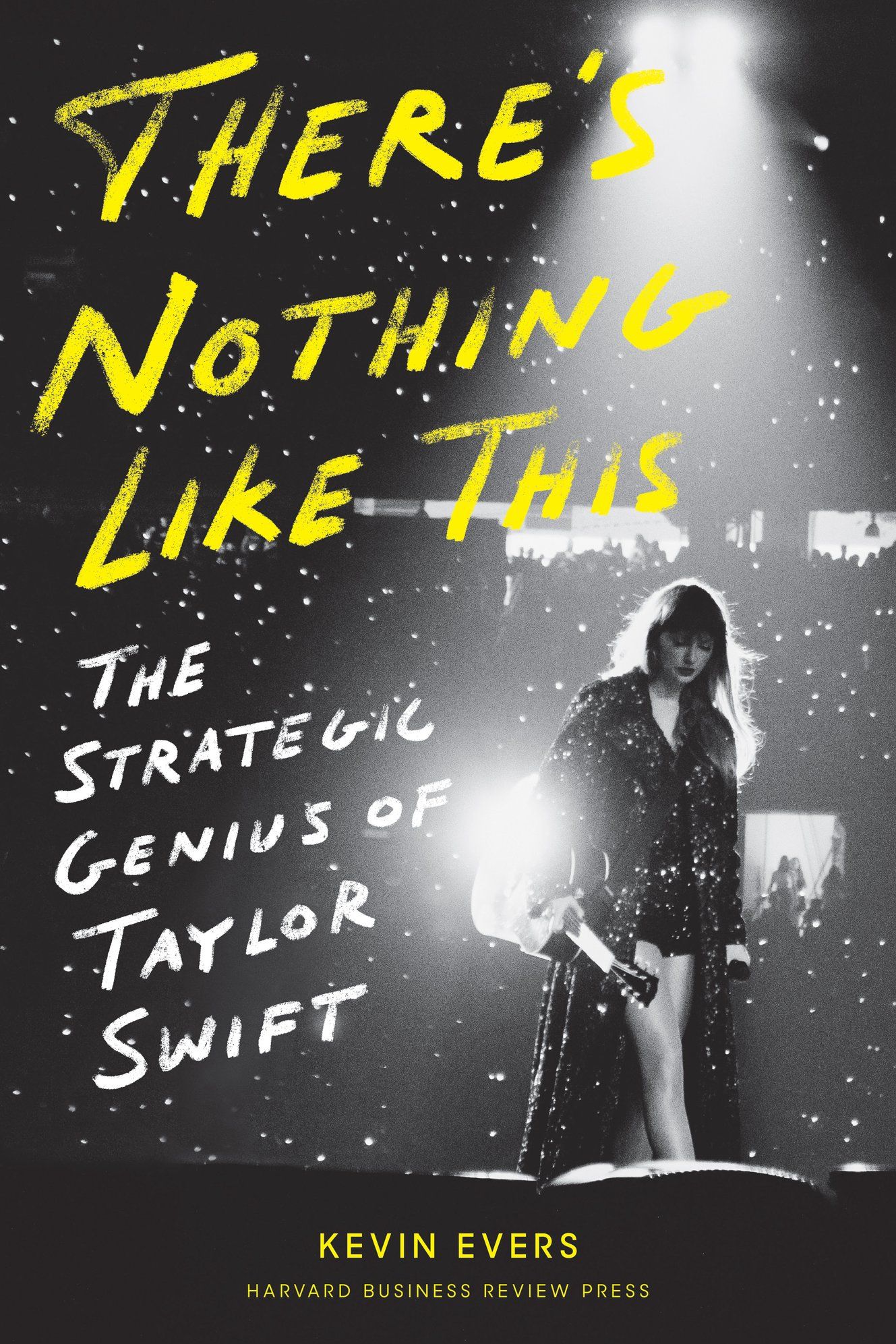
Prince William's admission that he still does not know what came over him when Taylor Swift led him onstage in 2013 is, frankly, the most humanising royal moment we have seen in years. It is rare to witness a figure so rigorously trained in composure describe themselves as a puppy following a pop star's lead, and we find it far more compelling than any polished gala appearance. This is not a story about a duet; it is a story about the quiet power of presence, and how even the most disciplined among us can be undone by a single, intentional gesture.
Swift's hand on William's arm, her eye contact, her simple command, these are details that linger because they reveal something about both parties. For the prince, the moment strips away the ceremonial distance that usually surrounds him, offering a glimpse of the man behind the title. We have touched on this theme before, examining how A subtle shift in royal proximity, a quiet distance formed can reshape public perception; here, the shift was not subtle at all. William walked onto that stage in a trance, and in doing so, he became relatable in a way that no official biography could manufacture. For Swift, the anecdote reinforces her known ability to command a room without aggression, a soft confidence that persuades rather than demands. It is the same energy we noted when observing how Kim Kardashian's Erdem moment in Rome whispers skin and sculpture, where the power lay in what was implied, not shouted. Swift did not need to raise her voice; she simply looked William in the eye and said, "Come with me."
What makes this story resonate beyond its novelty is the emotional honesty William brought to the retelling. He admitted to cringing, to not knowing the words, to waking up halfway through the song. For someone whose every public move is scrutinised, that vulnerability is deliberate, and it works. It suggests that even at the highest levels of expectation, we are all susceptible to the pull of a moment that feels bigger than ourselves. The practical takeaway for our readers is straightforward: influence is not about volume. It is about the confidence to extend an invitation, and the self-awareness to accept it, even when you do not fully understand why. Swift's persuasion was not forceful; it was magnetic. William's surrender was not weakness; it was a rare act of authenticity.
The specific detail we will be watching is whether this openness becomes a more regular feature of the prince's public persona. One off-key duet does not rewrite a lifetime of protocol, but the fact that he chose to share the story, and to frame it with such self-deprecating clarity, suggests a willingness to let the guard down. If that impulse continues, we may see a version of royalty that feels less like a distant institution and more like a person who, when a pop icon touches his arm, simply follows.