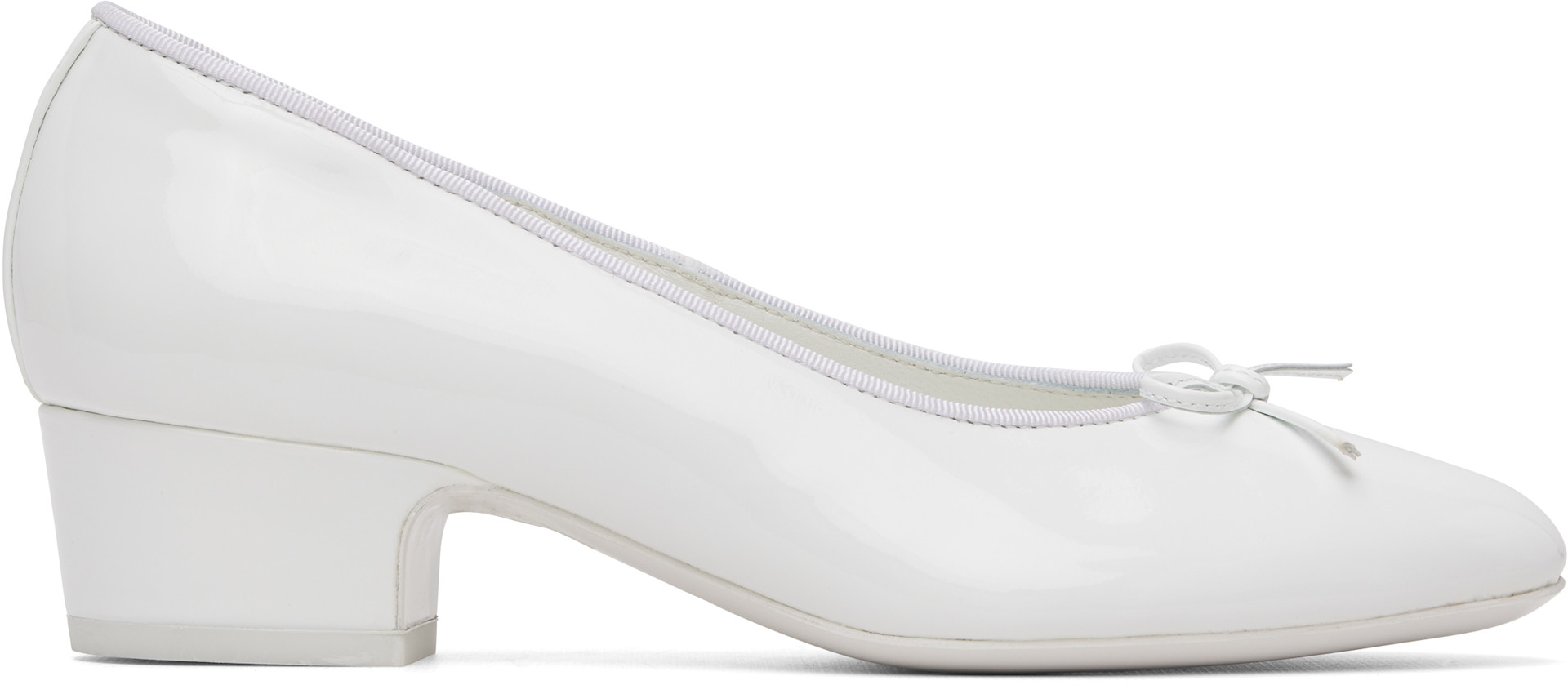
There is a particular kind of confidence that arrives when a woman stops performing and starts existing. Ariana Grande's recent shift from the towering stilettos of her *Sweetener* era to the quiet practicality of ballet flats for off-duty moments is not a surrender to comfort; it is a declaration of self-possession. The thigh-high boot was a costume for a chapter of explosive pop spectacle, a necessary armor for the stage. The flat, however, speaks to a woman who no longer needs the elevation to feel tall. It is the sartorial equivalent of exhaling, a signal that her presence is no longer contingent on the drama of a heel.
This evolution mirrors a broader conversation happening in fashion, where the loudest statement is often the one whispered. We see it in the way Katie Holmes's Milan Look Finds Quiet Perfection in a Single Bag, where a single monogram accessory carries the entire narrative of the outfit. It is the same principle: confidence is not about volume, but about conviction. Grande's choice feels like a deliberate step away from the performative and toward the personal, a move that resonates with anyone who has ever felt the exhaustion of keeping up an external persona. It is a reminder that true style is not what you wear for the world, but what you choose to wear when the world is watching and you still choose yourself.
But this is not a rejection of glamour; it is a redefinition of it. By pairing the ease of a flat with the residual memory of her stage persona, she creates a new tension that is far more intriguing than the old one. She is not abandoning the femininity that defined her stage presence; she is re-grounding it in a more tactile reality. This is where the practical takeaway lies for our reader. You do not need to forsake your personal aesthetic to find ease. Instead, consider how you can bridge the two. The goal is not to downgrade your wardrobe, but to refine your intention. As we see with J.Lo trades her signature bodysuit for tailored ease in Milan, the most powerful shift is often from the overt to the understated, from the silhouette that shouts to the cut that simply fits. It is a lesson in editing, not erasing.
The real question this raises is not about shoes, but about the space we allow ourselves to occupy when no one is demanding a performance. The flat is a symbol of that space. It suggests a woman who is less interested in the spectacle and more interested in the sensation of her own two feet on the ground. We would tell our reader to watch for this quiet pivot in her own life. Where are you still wearing the proverbial stiletto, holding yourself to a standard of performance that no longer serves you? The specific detail to observe, then, is not the designer of the flat, but the ease with which she wears it. That ease is the real accessory, and it is the one thing you cannot buy. It is earned, and it is the most luxurious thing you will ever own.