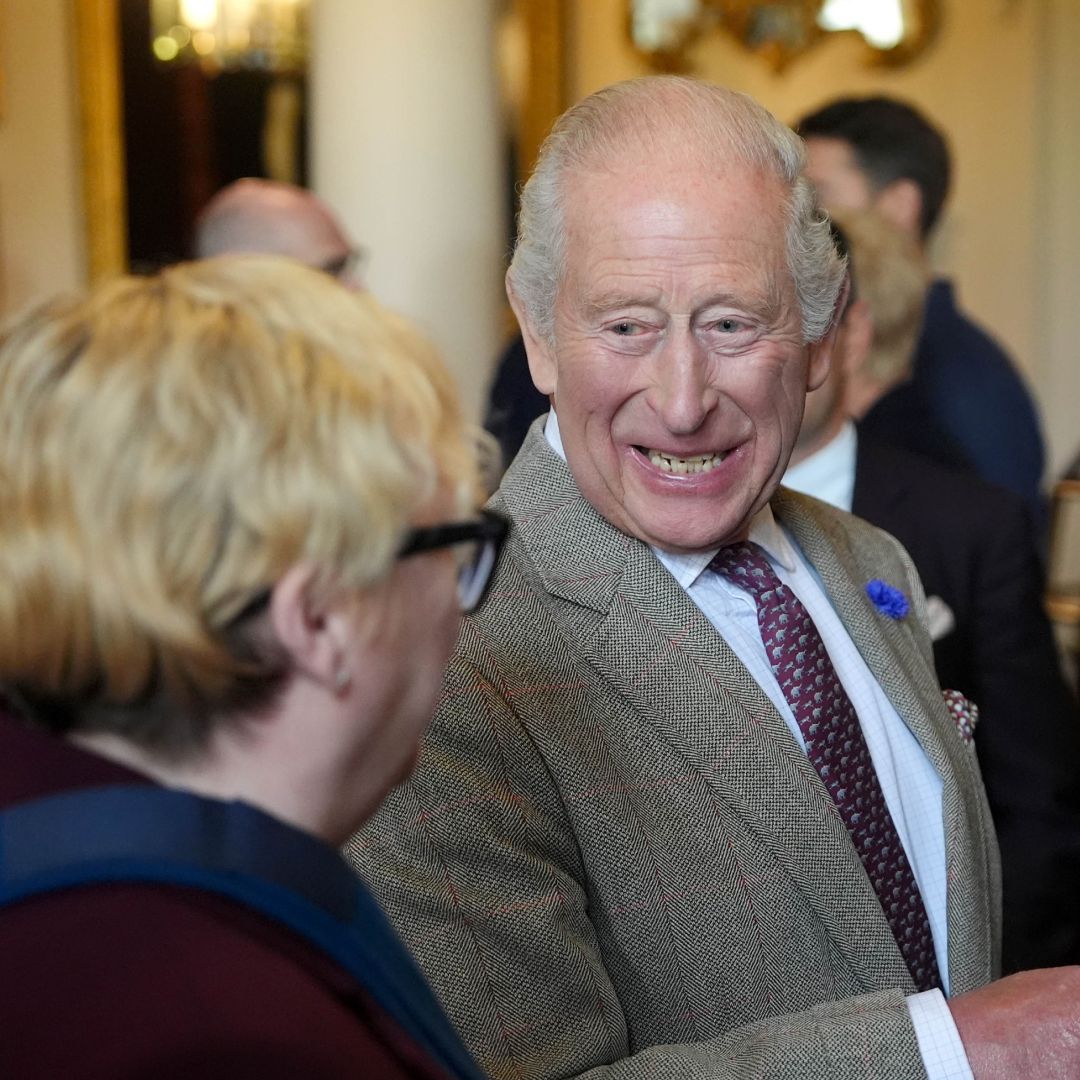
There is a particular power in a man who has finally stopped trying to prove he belongs in his own skin. King Charles, according to body language expert Darren Stanton, is radiating "a genuine sense of peace" during his September 16 visit to Cairngorms National Park, where he honored firefighters and volunteers following devastating wildfires. This is not the distant monarch of old, nor the perpetually waiting heir. This is a man who has stepped into his role with a quiet authority that feels earned rather than performed. We have spent so much time examining the men around the crown that we often forget the woman who reshaped their emotional vocabulary. Diana, Drawn to Reinvention, Received a Proposal from Across the Atlantic reminds us that she had a "mischievous attraction to reinventing herself," a trait that both charmed and destabilized the institution. And yet, here we are, decades later, watching a king whose public ease feels like a direct counterpoint to that turbulent history.
For our readers, there is a lesson in this restraint that feels deeply aligned with how we approach our own lives. We often confuse peace with stagnation, mistaking the absence of noise for a lack of ambition. Charles, however, is demonstrating that true confidence is not about being the loudest voice in the room; it is about the stillness that settles when you stop seeking external validation. His composure is not a retreat from the world but a deliberate engagement with it on his own terms. This is the same energy we cultivate in our own spaces: the quiet assertion that you are enough, not because you have conquered everything, but because you have made peace with what remains unfinished. A Lingering Wish: Exploring King Charles’ Enduring Hope suggests that some desires "burn still," a reminder that peace does not mean the fire is out, only that you have learned to control the burn.
If a reader came to us asking what to make of this, we would say this: watch the man who carries his history without letting it drag him down. Charles is not ignoring the past; he is simply refusing to let it define the present moment. His ease is a choice, a daily practice of self-connection over external noise. There is a lesson in that for all of us, especially when the world around us feels chaotic. The practical takeaway is simple and worth quoting: peace is not a destination you find; it is a demeanor you decide to wear. As he honors those who fought the fires, he stands as a testament to a different kind of strength, one that is measured not in force, but in the quiet refusal to be rattled. The question we are left with is not whether he has healed, but whether we can learn to stand so still amidst our own ashes.