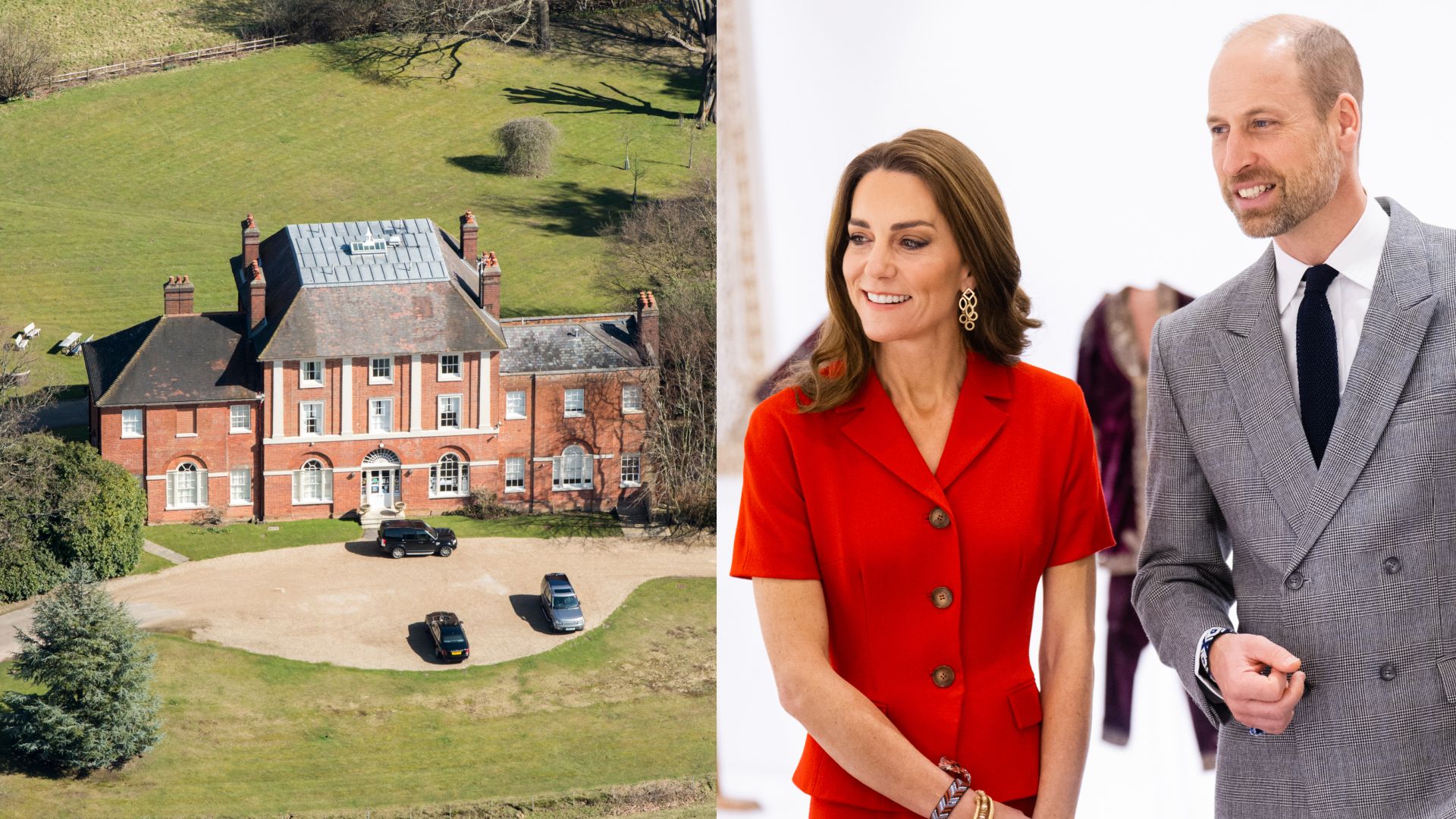
There is something quietly radical about a future king on his knees behind a washing machine, socks on, cup of tea in hand, asking an engineer if the microplastic filter is working. That image, Prince William in his stocking feet at Forest Lodge, genuinely curious, not performing, is the most compelling argument for the Earthshot Prize we have seen yet. It is not the £1 million prize pot or the star-studded ceremony that makes this initiative feel real; it is the fact that William paid full price for the filters, insisted on it, and then invited the team into his home to install them while he watched. This is stewardship without spectacle, and for anyone watching the Waleses navigate their public roles, it confirms something we have long suspected: they are building a different kind of credibility, one that is earned rather than inherited.
The installation of Matter's microplastic filters at Forest Lodge is a small, domestic detail, but it speaks to a larger philosophy. As our royal correspondent Cameron Walker explained, the Prince and Princess of Wales are deliberately stepping away from royal precedent, forging a path defined by personal conviction rather than institutional expectation. That same quiet independence is on display here: William did not wait for a state contract or a formal palace sustainability mandate. He met a founder, believed in the product, and put it in his own home. And he paid full price, a detail that matters. It signals that this is not charity or endorsement; it is a consumer choice made by a man who happens to live in a Georgian mansion in Windsor Great Park. The Waleses are not preaching sustainability from a podium; they are living it in a way that feels attainable, even aspirational, because it is grounded in the same kind of decision we all make when we choose a better appliance.
What makes this moment linger is the intimacy of it. CEO Adam Root described the visit as a "real moment," and you can see why. The Prince of Wales was not in a suit, not behind a lectern, not shaking hands at a rota event. He was at home, in socks, asking questions about plastic particles. That image reframes the entire Earthshot Prize narrative. It is easy to admire a prize from a distance; it is harder to admire a man who installs the technology himself. And Root's comment that William "genuinely cares about this, it isn't a short-term thing" carries weight precisely because it is not a soundbite from a palace press release. It is the observation of an engineer who watched the future king get his hands dirty. This is the kind of environmental leadership that does not need to shout. It simply shows up, pays the invoice, and lets the filter do its work.
The practical consequence here is not just cleaner water in Windsor. Matter has now sold filters to nine palaces, with plans for Buckingham Palace. That is a supply chain story that started with a single installation at Forest Lodge. The question worth watching is whether this quiet, domestic approach to sustainability will become the Waleses' signature, a pattern of small, intentional choices that ripple outward, not through proclamation, but through example. As the Princess of Wales demonstrated on her recent India tour, quiet luxury is not about absence; it is about presence. The same principle applies here. The Prince of Wales is not trying to save the planet in one grand gesture. He is just trying to keep plastic out of his washing machine. That might be exactly the kind of leadership that lasts.