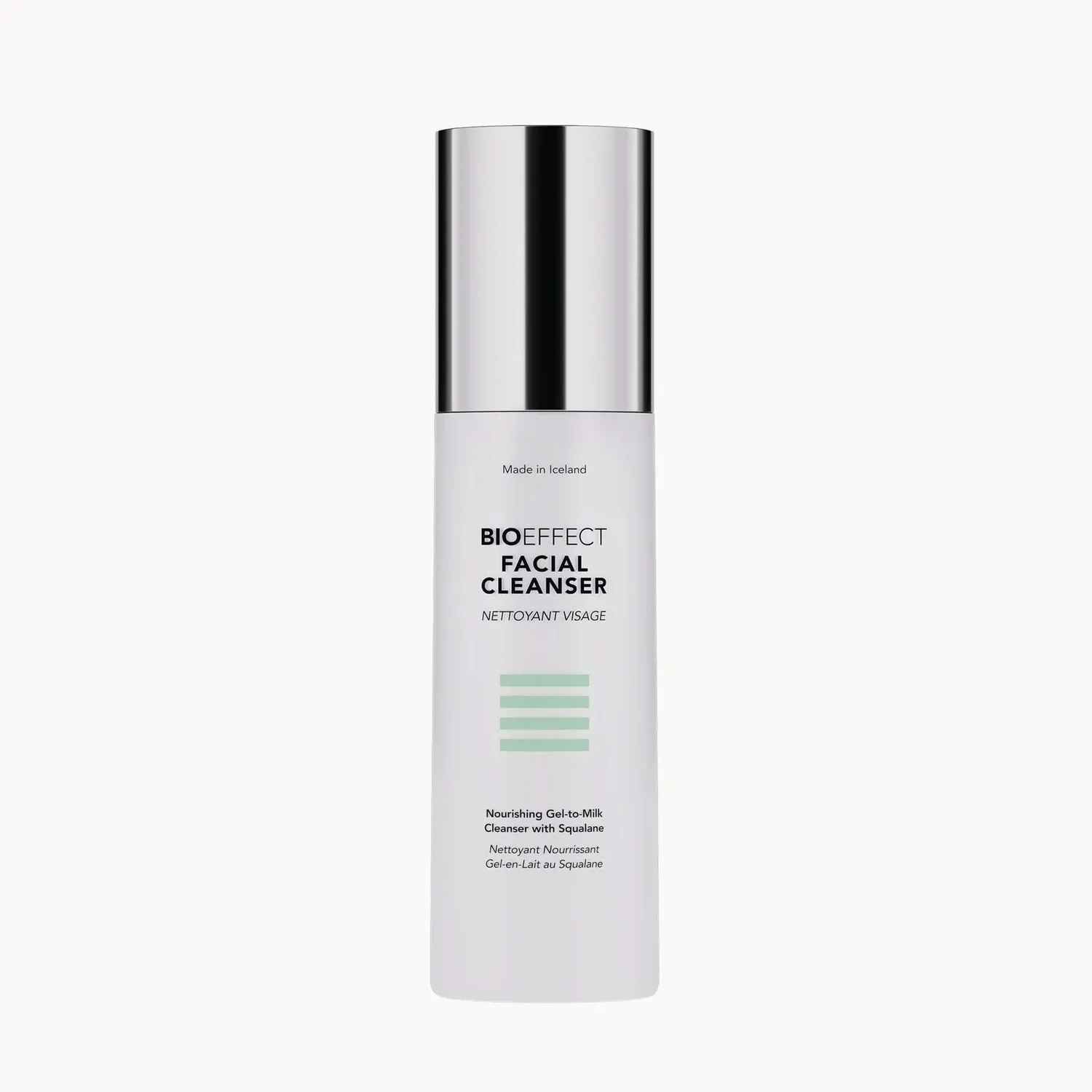
There is something quietly radical about a woman in her late fifties being offered skincare that does not begin with the word "anti." The article on curating a ritual for a mother at fifty-nine refuses the language of decline and instead speaks in the tender, precise vocabulary of devotion. It acknowledges that mature skin is not a category that arrives on a birthday but a gradual, deeply personal evolution shaped by genetics, hormones, sun, and the choices we make along the way. This framing feels like a small act of rebellion in an industry that often sells fear disguised as care. The piece does not promise to reverse time; it promises attention, and that is a far more intimate gift.
We have long believed that the most compelling beauty rituals are those rooted in relationship rather than routine. This article echoes the quiet, intergenerational sensibility we explored in Mother and Daughter in Perfect Autumn Accord: Cos for Two Generations, where sharing a wardrobe became a form of silent understanding. Here, the act of selecting products for a mother becomes its own language of love. It is not about fixing what time has done but about honouring what time has brought. The woman at the centre of this story has kept her approach minimal for years, and the edit being built for her is not a dramatic overhaul but a gentle invitation to deepen care. That restraint is precisely what makes it luxurious.
What strikes us most is the absence of panic. There is no urgency, no list of things she must do immediately to stave off something undesirable. Instead, the article treats her skin as a living document, written by decades of weather, emotion, and habit. This is the same spirit we admired in Winter's Quiet Thirst: Nurturing Mature Skin With Intention, where the cold season is met not with aggressive correction but with deliberate, soothing ritual. Winter draws moisture from the skin, and so does time. The response, in both cases, is not force but presence. The most effective thing we can offer our skin, at any age, is consistency wrapped in tenderness.
If a reader asked us what to take from this story, we would say this: the best edit you can give someone is one that sees them as they are, not as the market tells you they should be. The article reminds us that the word "mature" is less useful than the word "known." To know someone's skin is to know their history, their habits, their quiet refusals of excess. The concrete takeaway here is not a product name but a principle: care that begins in devotion rather than anxiety will always feel different on the skin. Watch how your own rituals shift when you stop asking what to fight and start asking what to honour. That is where the real luxury lives.