As well as allegedly making "grown men leave his study in tears," Prince Philip reportedly had quite a way with words. And according to one royal author, Queen Elizabeth II's husband saved one particularly hilarious insult for his eldest son, King Charles.
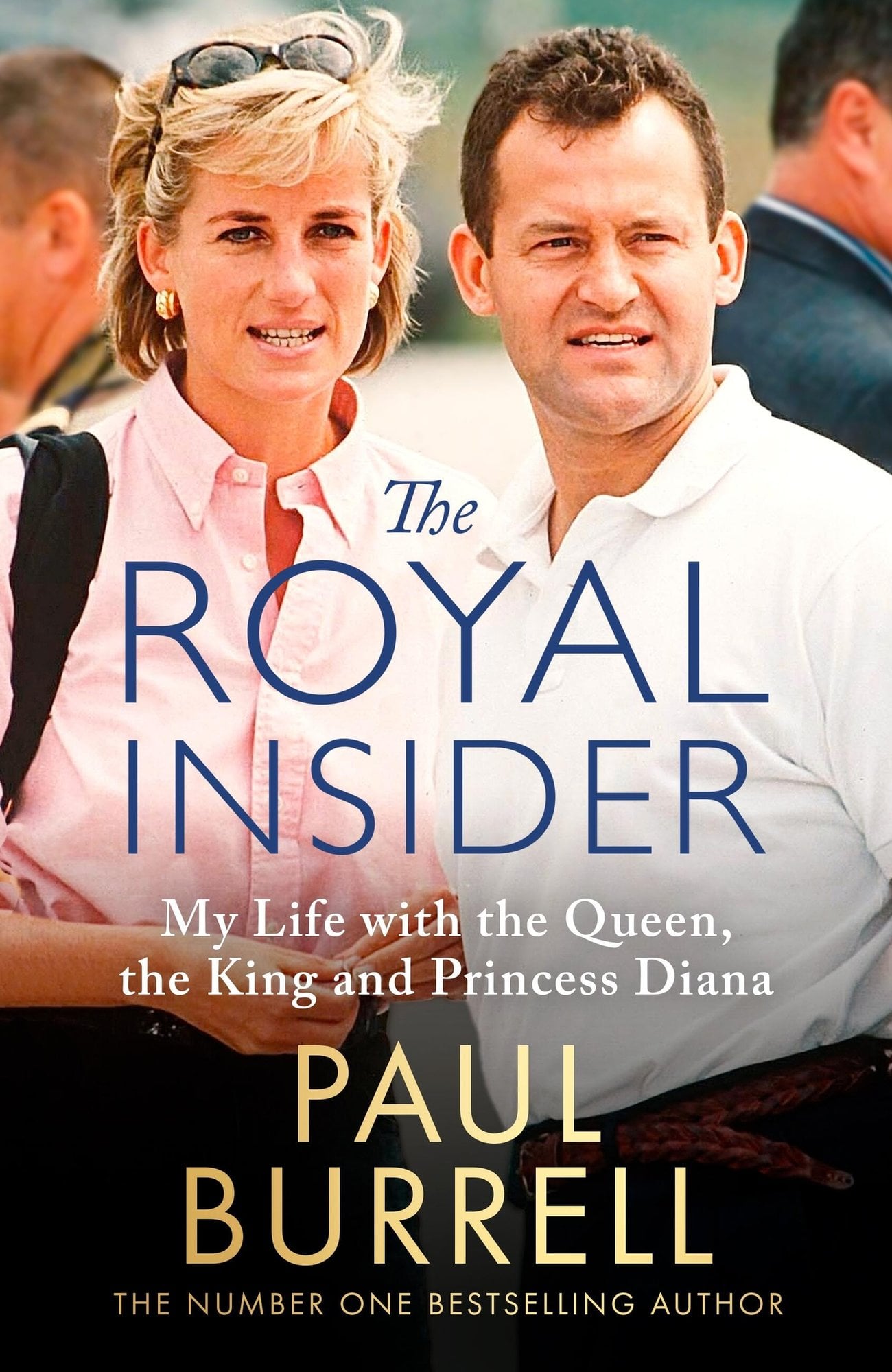
In his book, The Royal Insider: My Life With The Queen, The King, and Princess Diana, former royal butler Paul Burrell recalled an incident in which Prince Philip berated his son in a funny but brutal way.
"Prince Philip took no prisoners, especially when it came to his children," Burrell wrote, while noting that Queen Elizabeth II was the only person who generally escaped the former Duke of Edinburgh's snipes. However, "Charles often caught the rough edge of his father's tongue," according to the royal author.
Burrell continued, "I witnessed an incident one evening when Prince Charles, as he was then, joined his mother and father for a martini cocktail in The Queen's sitting room before a diplomatic reception."
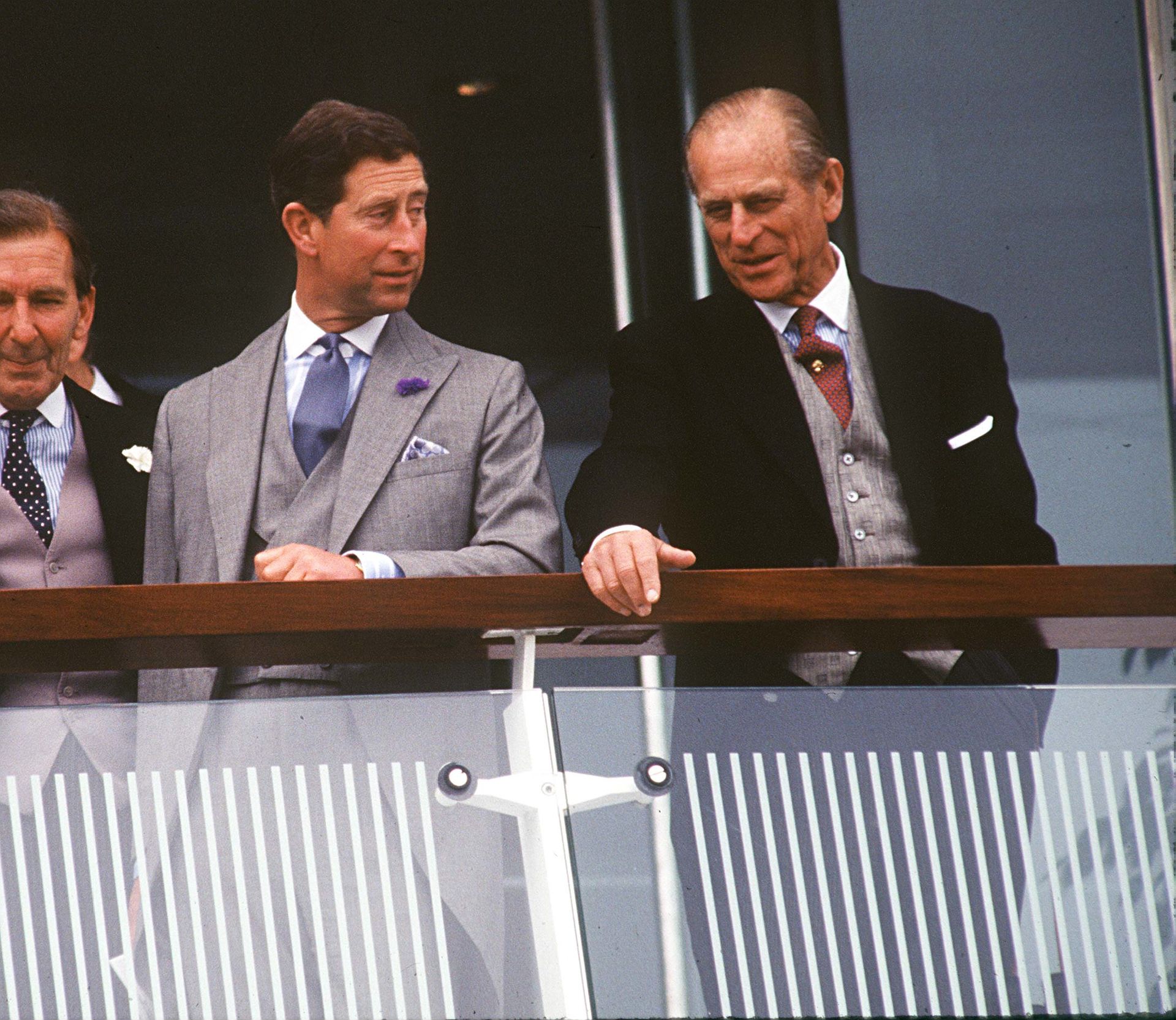
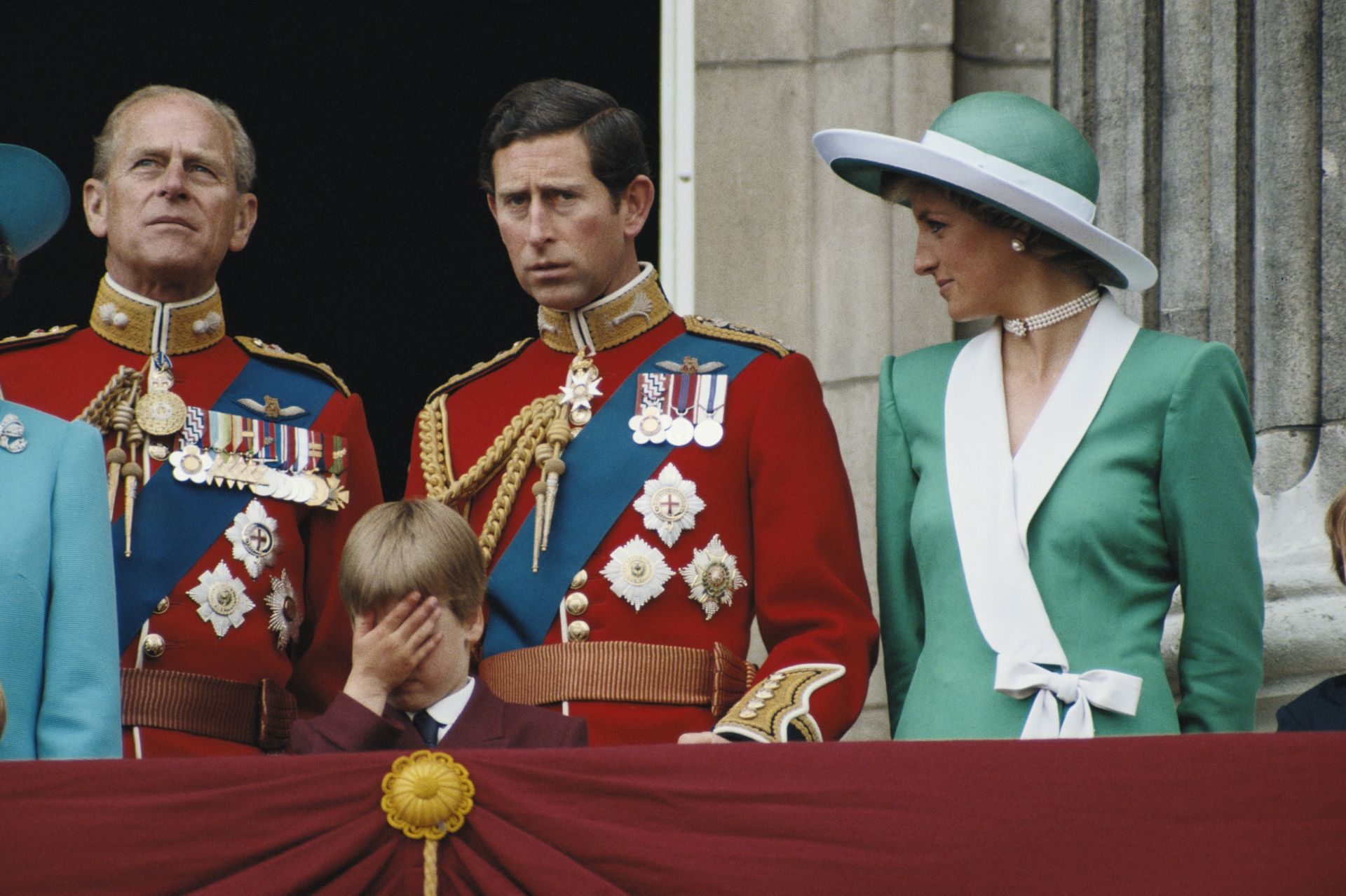
Importantly, Charles decided to wear "every order that had been bestowed upon him—the Order of the Garter, the Order of the Thistle, the Order of the Bath, the Order of St. Michael and St. George...they were all encrusted with diamonds, emeralds, and rubies and sparkling in the light."
Unfortunately for Charles, his father wasn't impressed with the future King's outfit choice for the evening.
According to Burrell, "As soon as Prince Philip saw him he blew his lid, shouting, 'You look like a bloody Christmas tree. You bloody idiot!'"
Philip reportedly referred to Queen Elizabeth's outfit, saying, "She is wearing only ONE order...so go back to your room and change. Why do you always have to be so excessive?'"
Per the former butler, Prince Philip's criticism "put Charles in his place."
According to Burrell, Philip "was of the opinion that his son, his mother's heir, had 'made a bloody mess of everything.' I heard him rebuke his son with that phrase on several occasions."
Basically, it seems as though the pair had a fairly complicated relationship at that time.
Shop Royal Family Books