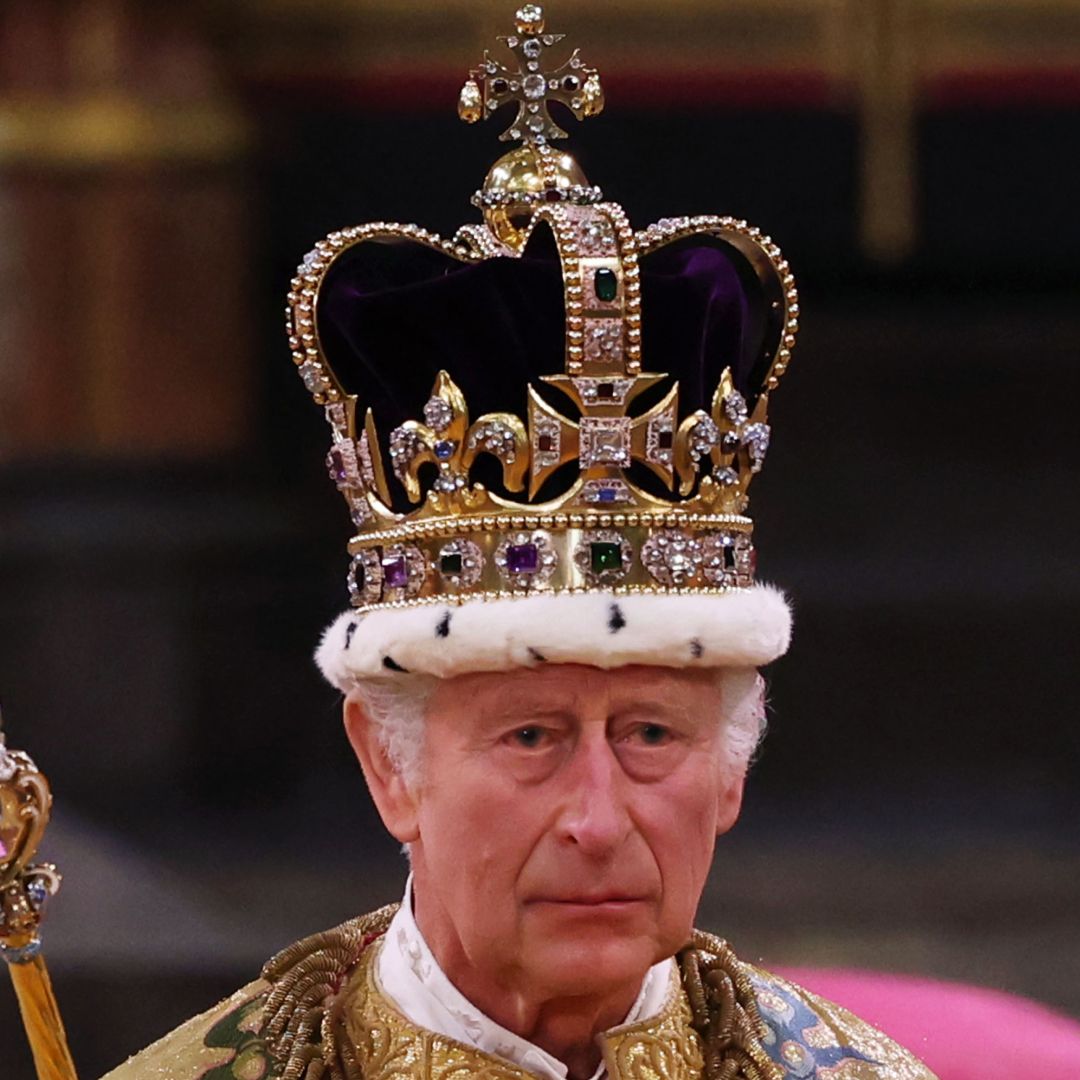
There is a certain poetry in correction, especially when it comes from a world built on precision. The recent stir over a royal detail, the kind that makes people mutter, "You'd think they'd know," is not actually about a lapse in judgment. It is about what we expect from figures who are, by design, larger than life. We want our monarchs, and our muses, to be flawless in their execution, not because perfection is human, but because their presence is meant to anchor us in a sense of order. When a detail is off, however small, it reminds us that the institution is made of people, and people are beautifully, inevitably fallible. This is the tension we find so compelling.
We are drawn to these moments because they mirror our own quiet negotiations with expectation. Just as we watch King Charles navigate a role he has waited a lifetime to inhabit, we see the weight of legacy pressing down on every gesture. The related stories in our publication echo this theme: A Monarch’s Reserve: Queen Elizabeth’s Quiet Distrust reminds us that even the most stoic figures carried private uncertainties, while Diana, Drawn to Reinvention, Received a Proposal from Across the Atlantic shows how reinvention often requires leaving the script behind. And A Lingering Wish: Exploring King Charles’ Enduring Hope suggests that some desires never fade, even when the world watches them burn in private. What connects these threads is not the pomp, but the person beneath the crown.
Our take is this: precision in tradition is not about rigidity. It is about presence. When a royal detail is corrected, we are not witnessing failure; we are witnessing a living system recalibrating itself. It is a reminder that legacy is not a static portrait but a series of deliberate, often imperfect, strokes. For our readers, the lesson is practical. You do not need a title to move with intention. You do not need a crown to command a room. What you need is the same quiet confidence that comes from knowing that your choices, even the small ones, carry weight. The correction is not a rebuke; it is a refinement.
So what do we tell a reader who asks us about this? We tell them to watch how a person handles the moment after the error. Do they flinch, or do they adjust their collar and continue? That pause, that breath, is where character lives. The specific detail to watch in the coming months is not whether the palaces issue a statement or a seamstress works late into the night. It is how the monarch, and by extension the institution, chooses to embody the very idea of presence in a world that is constantly scanning for cracks. The correction was never the story. The composure after it is. That is where we find our own permission to be both precise and humane, and that is a tradition worth keeping.