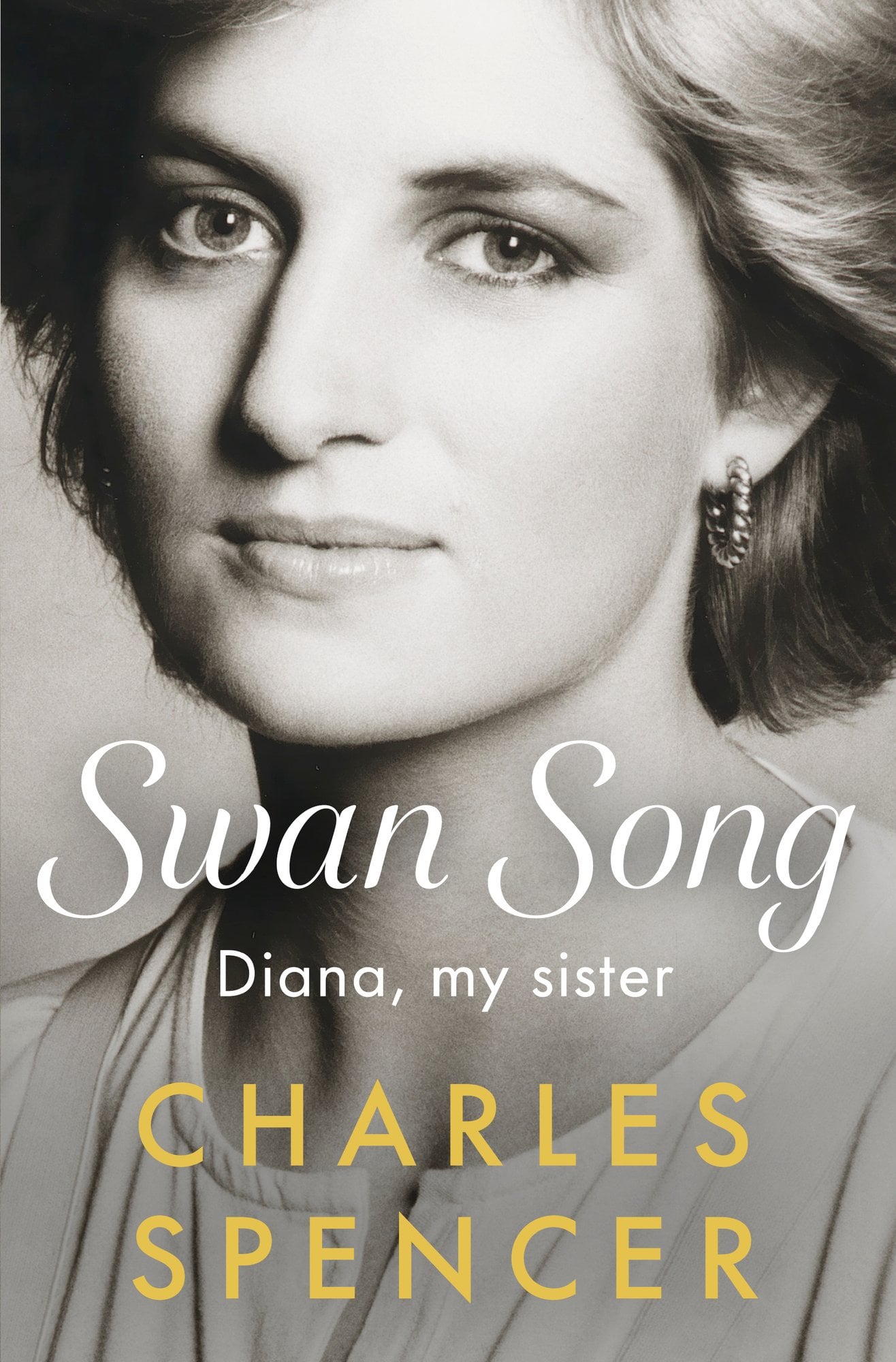
The recent reports detailing operational shifts at Buckingham Palace, bluntly summarized as being “run like a hotel, and not a very good one,” resonate with a growing sense of unease surrounding the British monarchy. It’s a sentiment echoed in previous discussions, such as the complexities of public perception faced even by Kings, as explored in Royal Reflection: Even Kings Face Challenges with Public Perception. The transition from Queen Elizabeth II’s reign, marked by decades of steadfast tradition and a deeply ingrained sense of duty, to King Charles’s more modern approach seems to be encountering friction. This isn’t simply about a change in leadership; it’s a re-evaluation of the very purpose and function of the monarchy in the 21st century, a conversation further complicated by familial dynamics, as seen in the reflections on Prince Harry and Meghan’s visit to Diana’s home, detailed in A Brother's Reflection: Diana's Home and Harry, Meghan's Visit. The criticisms regarding the palace’s management suggest a detachment from the public's expectations of both regal dignity and efficient governance.
The core of the issue appears to lie in a tension between modernization and maintaining the symbolic weight of the Crown. King Charles, having witnessed firsthand the evolving role of the monarchy, has seemingly sought to streamline operations and reduce expenses. However, these efforts, as reported, seem to have resulted in a decline in service quality and a perception of diminished grandeur. It's a delicate balancing act – one that requires a keen understanding of not just financial prudence, but also the intangible value of tradition and the emotional connection the public has with the institution. The palace isn't merely a building; it's a repository of history, a symbol of national identity, and a stage for carefully orchestrated displays of royal life. The current reports suggest a move away from this carefully cultivated atmosphere towards a more transactional, commercially-driven model, which risks alienating the very people the monarchy is meant to represent. Furthermore, the ongoing focus on royal engagements, such as the upcoming African tour undertaken by other family members, as highlighted in Royal Envoys Embark on Significant African Tour This October, underscores the pressure on the current royal family to demonstrate continued relevance and commitment on the global stage, all while navigating these internal challenges.
This situation isn't entirely unprecedented. Throughout history, monarchies have faced periods of scrutiny and adaptation. However, the current context – characterized by heightened media scrutiny, a more skeptical public, and a rapidly changing social landscape – presents unique challenges. The monarchy’s survival hinges on its ability to evolve without sacrificing the qualities that have sustained it for centuries. The current management issues at Buckingham Palace, therefore, represent more than just an administrative problem; they are symptomatic of a broader existential crisis facing the institution. There’s a need for a fundamental reassessment of the monarchy’s role in contemporary Britain, one that prioritizes not just efficiency and cost-effectiveness, but also the preservation of its symbolic power and the cultivation of a genuine connection with the public. The inherent tension between upholding tradition and embracing modernity is proving particularly complex.
Looking ahead, the key question becomes whether King Charles can successfully navigate these challenges and restore public confidence in the monarchy. Will he be able to redefine the institution’s purpose and function in a way that resonates with a modern audience, while simultaneously honoring its rich history and traditions? The future of the British monarchy may well depend on it, requiring a level of self-awareness and adaptability rarely seen in institutions so steeped in tradition. It’s a moment of significant transition, and the coming months and years will reveal whether the Crown can successfully reinvent itself for a new era.