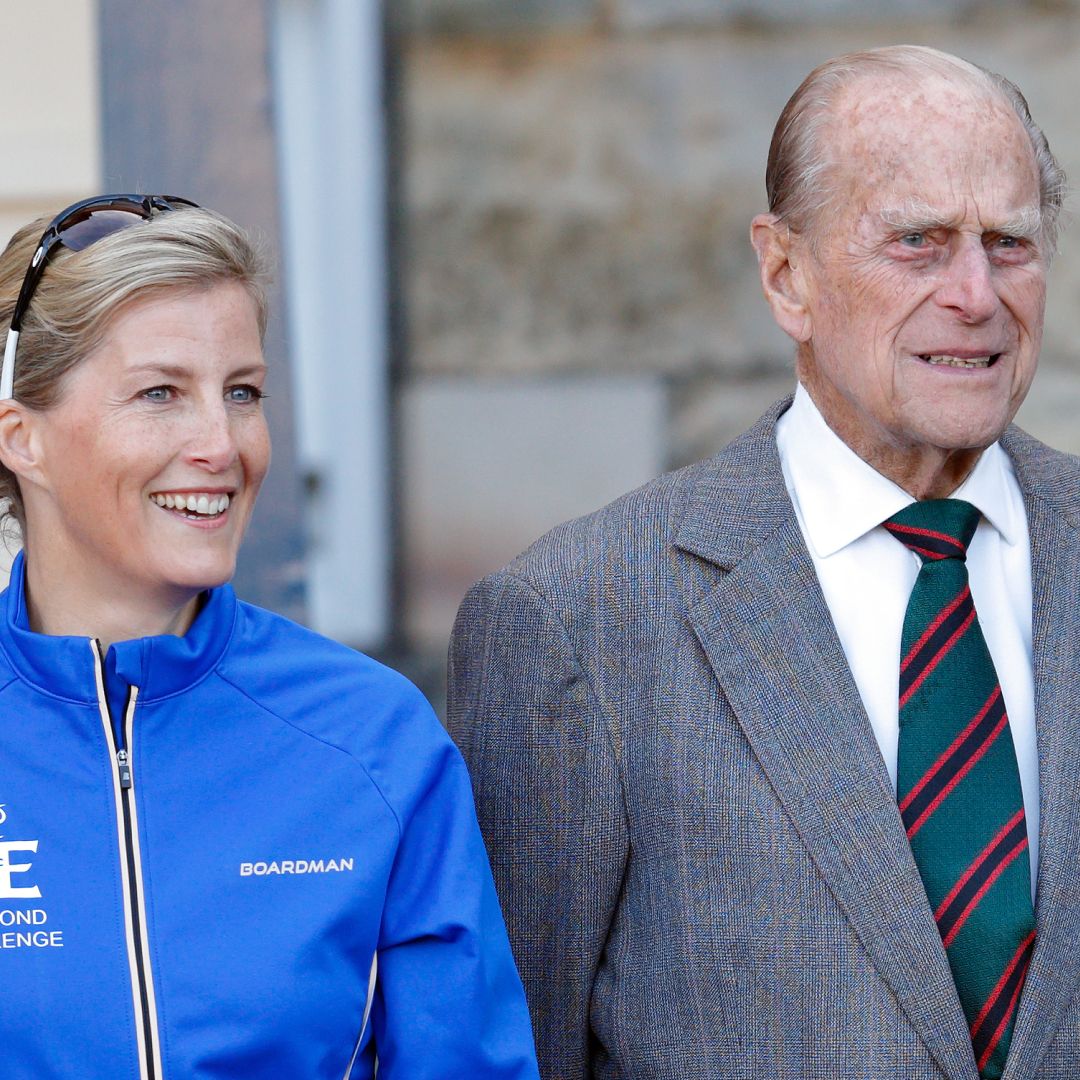
There is a particular magic in the image of a woman choosing a hockey match over a royal dinner, especially when that dinner is at Balmoral. Duchess Sophie's recent confession to BBC Radio, revealing her quiet rebellion, feels less like a breach of protocol and more like a glimpse into a character built on genuine priority. She did not make a scene; she simply made a choice. In a world of curated appearances, her anecdote is a refreshing note of authenticity, a reminder that even within the most formal of institutions, personal passion can and should take the wheel. It is a quiet kind of confidence, the kind that doesn't need to raise its voice to be heard.
This story, charming on its own, gains a deeper resonance when placed beside other royal narratives we have explored. Consider the late Princess Diana, described by her brother as having a "mischievous attraction to reinventing herself." Sophie's act is not a reinvention, but it shares that same thread of self-possession, a subtle insistence on one's own story. And while A Lingering Wish: Exploring King Charles’ Enduring Hope speaks to a different kind of longing, Sophie's tale is about the fulfillment of a simpler, more immediate wish: to be present for something that matters. What we find so compelling is that she didn't frame it as a duty, but as a want. She wanted to be there, and so she went. It is a small act of agency that feels profoundly modern, even within the gilded cage of royalty.
For our readers, the takeaway is not about the rules of a royal household, but about the rules we set for ourselves. How often do we stay at the proverbial dinner, sacrificing our own joy for the sake of obligation? Sophie's choice is a practical lesson in boundary-setting, a reminder that our presence is a gift we can choose where to bestow. It is not about being difficult; it is about being intentional. It is the same quiet authority that allows someone to say, "This is my priority," without apology. This is not a rebellion against tradition, but a redefinition of it, one that places personal passion at its center. It's an elegant, understated form of power.
The most telling detail is not the escape itself, but the reaction it reportedly provoked from Prince Philip, who found the whole situation amusing. His amusement suggests a shared understanding, a recognition that a little bit of self-direction is not a threat to the institution, but a sign of a healthy spirit. It is a human moment in a sea of formality. As we close this chapter, we are left not with a question about royal protocol, but a quiet observation: true grace is not in following every rule, but in knowing which ones to break with a smile. The specific detail to watch is how this story shapes the public's perception of the new Duchess of Edinburgh, not as a distant figurehead, but as a woman who would rather witness history on the field than make small talk at the table.