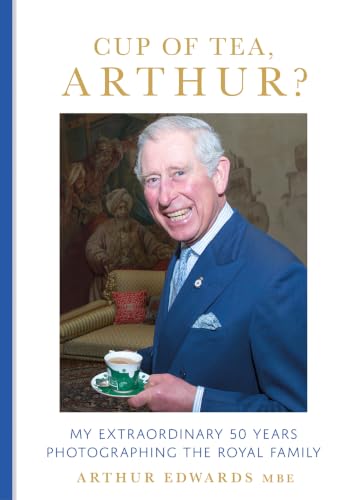
There is something quietly radical about a future king being told to find safety in a single, familiar face. Prince William's advice to his children, to look at Arthur Edwards in a sea of photographers, is not a royal protocol. It is a human one, and it speaks volumes about how this generation is choosing to shape the monarchy from the inside out. We have watched the Wales family navigate public life with a careful, almost protective grace, and this small detail confirms what many of us have sensed: the crown is being reimagined not through grand gestures, but through intentional, intimate choices. Arthur Edwards, after fifty years of capturing the family, has seen this evolution firsthand, and his observation that Prince George will inherit a "very different monarchy" feels less like a prediction and more like an inevitability we are already living through.
The shift is not merely cosmetic. Where previous eras demanded stoic distance, William and Kate have cultivated a quiet warmth that does not sacrifice dignity for accessibility. Edwards notes that William himself once "hated the media," yet has grown into a diplomat who understands the relationship between visibility and trust. This is not a softening of the institution; it is a recalibration. The A Crown's Integrity Now Rests Beyond Royal Command has already questioned whether moral authority can be inherited, and moments like this suggest the answer lies in earned connection rather than assumed reverence. When a photographer becomes a safe harbor for a nervous child, the monarchy signals that its future depends on human relationship, not golden coaches.
What strikes us most is the restraint in this approach. Prince William does not shield his children from the public eye entirely; instead, he gives them a single point of focus, a way to ground themselves without retreating. It is the same philosophy we see in how the family presents itself: controlled exposure, never overexposed. In A Quiet Glimpse of the Royal Three, Growing in Grace and Style, we noted how their coordinated appearances feel curated for calm rather than spectacle. This is not coincidence. Every detail, from the matching coats to the whispered instruction to look at Arthur, builds a narrative of steadiness. The children are being raised not for a throne, but for a role that demands emotional intelligence as much as duty.
Arthur Edwards's speculation that Buckingham Palace and its gold coaches may fade is not a lament; it is a recognition that relevance requires evolution. The monarchy that Prince George will lead may be leaner, more transparent, and more psychologically attuned. The question we are left with is not whether the institution will survive, but whether it will continue to earn the trust that moments like this quietly build. Watch how these children carry themselves in the years ahead. Their composure will not come from ceremony, but from a father who taught them to find a single kind face in a crowd.