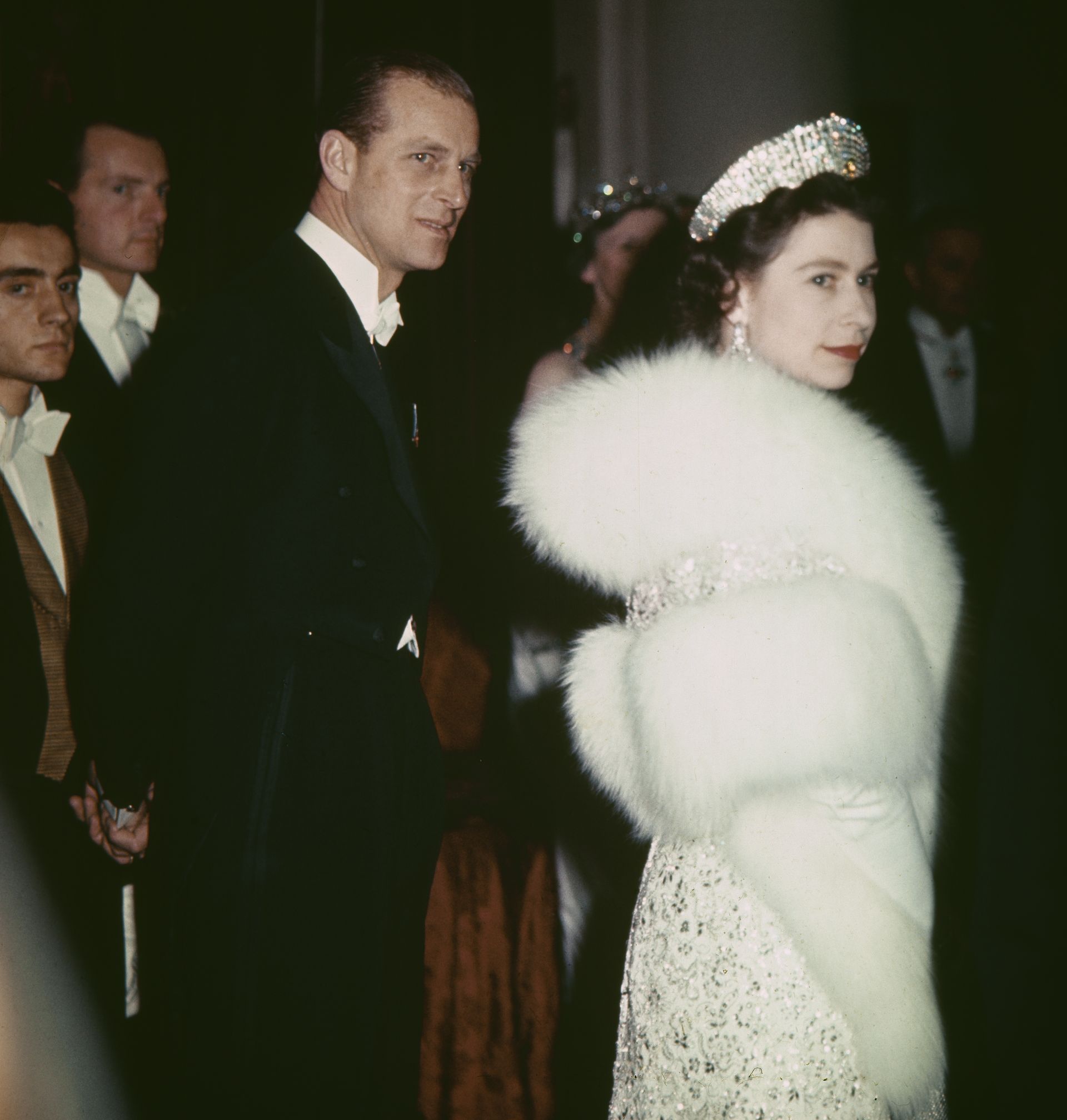
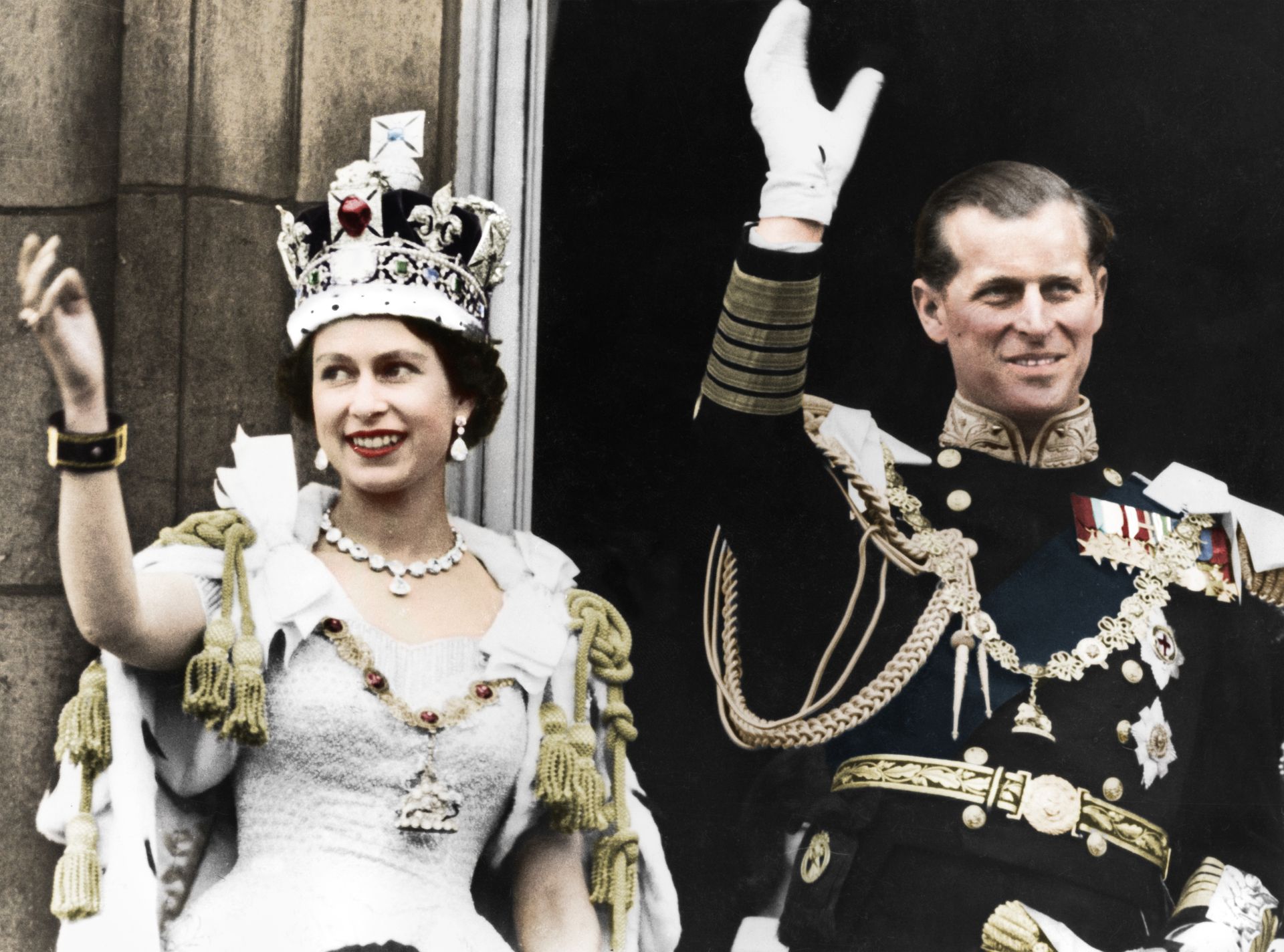
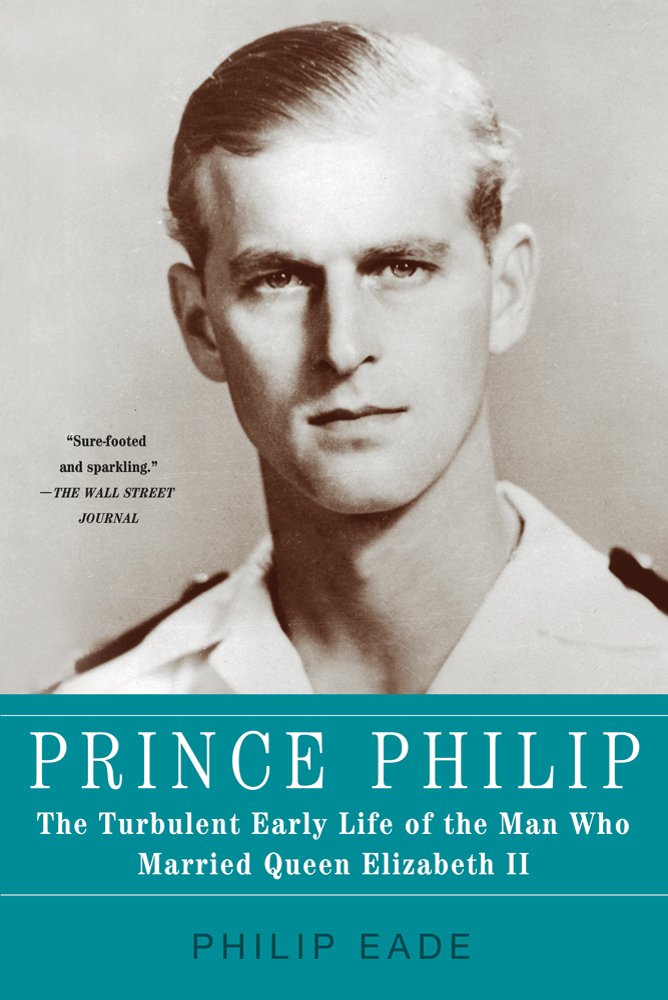
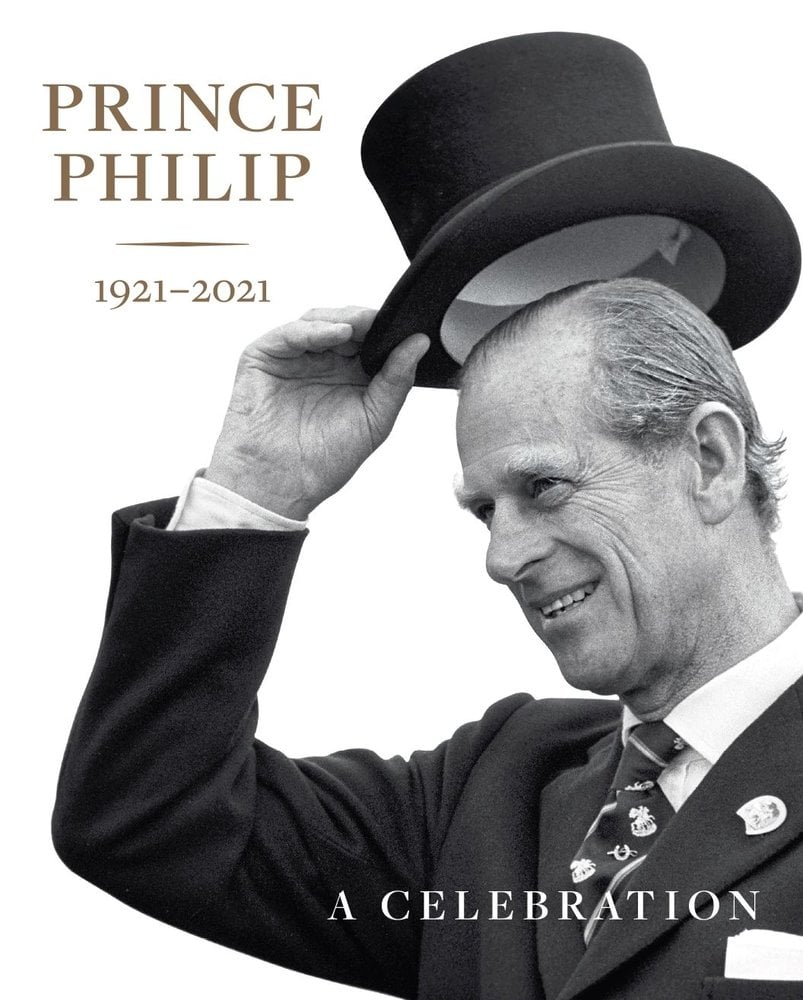
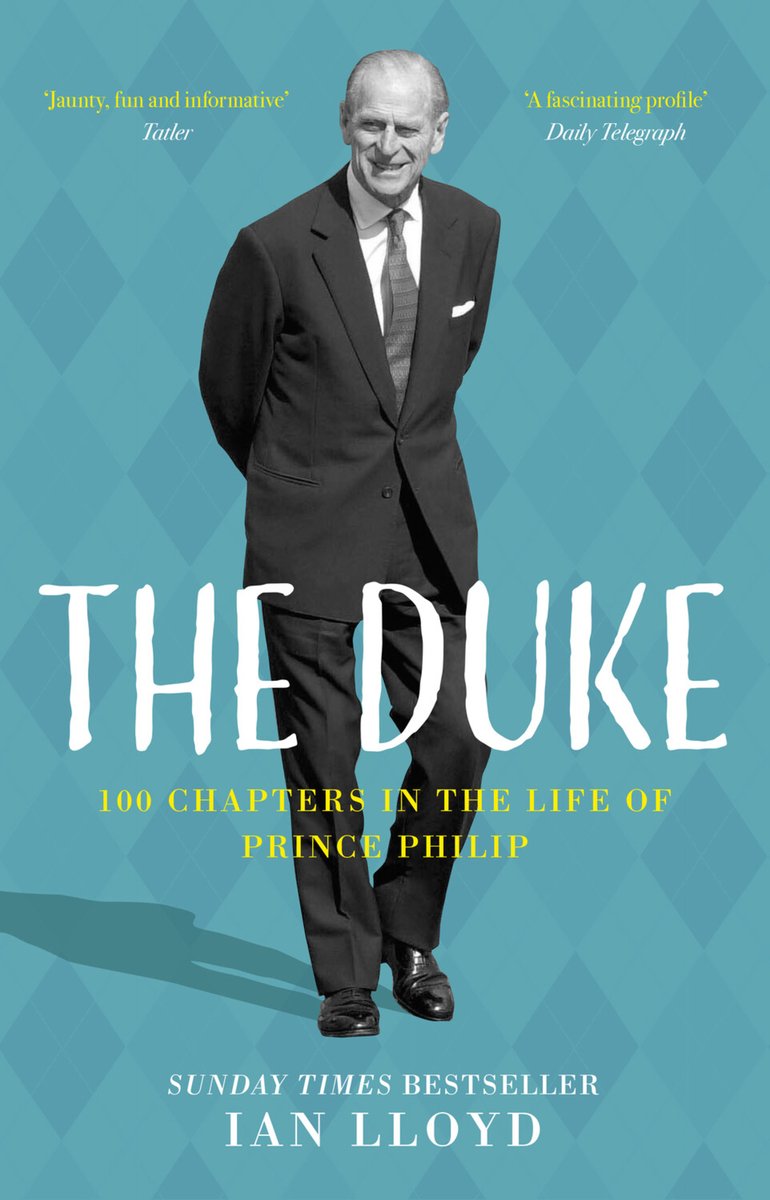
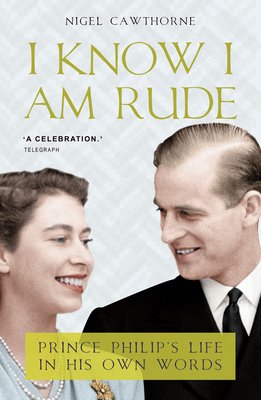
The recent resurfacing of anecdotes detailing Prince Philip’s formidable presence, particularly the quote – “He put the fear of God into me at times” – offers a fascinating glimpse into the dynamics of the British Royal Family and the complexities of wielding influence within such an institution. It’s a reminder that even behind the carefully cultivated image of regal composure lies a human reality, one often characterized by strong personalities and, occasionally, a degree of intimidation. The narrative surrounding Philip's legacy has always been layered; he was a modernizing force, a supportive consort to the Queen, and a patron of countless charitable causes. Yet, accounts like these humanize him, revealing a man who commanded respect through a certain gravitas and perhaps, at times, a forceful demeanor. This echoes sentiments expressed in [A Royal Christmas Observation: Philip's Dry Wit About Charles], where his sharp humor is portrayed as capable of eliciting a strong reaction, highlighting a personality not afraid to speak his mind. The public’s perception of the Royal Family is so meticulously managed, these unfiltered glimpses into internal relationships are particularly intriguing.
The significance of these recollections extends beyond simply painting a more complete portrait of Prince Philip. They speak to a broader conversation about power structures, particularly within families and institutions steeped in tradition. Philip’s role was unique – a man born into Greek aristocracy, who married into the British monarchy and then, crucially, deferred to the Queen's authority. This required a delicate balance of asserting his own influence while upholding the stability of the Crown. The current state of the monarchy, as discussed in [A Royal Disappointment: Changes at Buckingham Palace Stir Concern], further underscores the need for careful navigation of tradition and modernization. The reported concerns about the palace being “run like a hotel, and not a very good one,” suggest a potential fragility that requires a firm hand – a quality Philip evidently possessed, albeit one that sometimes manifested in a way that instilled a degree of apprehension. It’s a reminder that even in a family seemingly defined by privilege, power dynamics are complex and can have a profound impact on interpersonal relationships.
The fascination with these revelations also stems from a broader cultural shift towards greater transparency and a desire to see the “real” people behind public figures. The Royal Family, once shrouded in almost impenetrable secrecy, has been gradually opening itself up to scrutiny, driven in part by the actions of younger generations and the demands of a 24/7 news cycle. The openness displayed by figures like Prince Harry and Meghan Markle, and the subsequent media attention it garnered, has undoubtedly contributed to a greater appetite for insights into the inner workings of the monarchy. Even the poignant reflections shared by Princess Diana's brother in [A Brother's Reflection: Diana's Home and Harry, Meghan's Visit], which touched upon familial ties and shared history, reflect this evolving desire for authenticity. Philip’s anecdotes, while offering a glimpse into a bygone era, are part of this ongoing narrative of demystification.
Ultimately, the enduring interest in Prince Philip's personality and the impact he had on those around him speaks to the inherent human drama that unfolds even within the most seemingly impenetrable institutions. The willingness of individuals to share these personal accounts, even years after his passing, suggests a recognition of his enduring influence and the complexities of his character. As the monarchy continues to evolve and adapt to a changing world, it will be fascinating to observe how these types of historical perspectives shape our understanding of its past, present, and future. Will future generations of royals be more open about internal dynamics, or will the need for maintaining a unified public image continue to prioritize discretion over transparency?