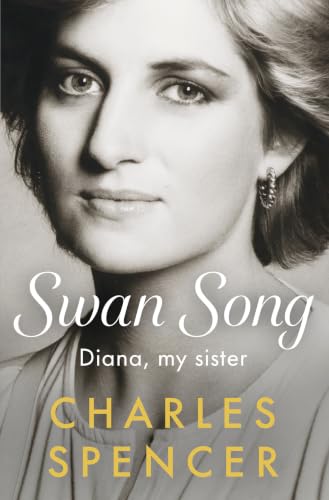
The recent resurfacing of the story surrounding Princess Diana’s 1984 hairstyle choice—a deviation from her signature shaggy ‘do that reportedly displeased the Queen—resonates far beyond a simple anecdote about royal fashion faux pas. It speaks to a fascinating tension between personal expression and established tradition, a theme increasingly relevant in today’s world of evolving style codes. While the initial reaction might be amusement at the idea of a royal being “not amused” by a haircut, the deeper narrative highlights the constraints placed upon public figures, particularly women, and the subtle rebellion inherent in even seemingly minor stylistic choices. It’s a reminder that even within the seemingly rigid structure of royalty, individuality can manifest, sometimes provoking unexpected ripples. This echoes the sentiments explored in [Elevated Occasion Dressing: Natural Fibres for the Australian Wedding Guest], where the conversation centers on finding refined style within contemporary expectations, a balancing act familiar to many navigating formal settings. The story also touches upon the enduring power of Diana’s influence; her short haircut became an iconic symbol of the era, demonstrating how a single style choice can transcend fleeting trends and become a cultural touchstone.
The disapproval from the Queen, as reported, underscores the unspoken rules governing royal appearances. It wasn’t merely about the length of Diana’s hair; it was about adhering to a certain image of regal composure and upholding established protocols. This contrasts sharply with the current climate, where individuality and self-expression are increasingly celebrated. The rise of "quiet luxury" – a style emphasizing understated elegance and quality over overt displays of wealth – further exemplifies this shift. It’s a rejection of the flashy, attention-grabbing trends of the past, aligning with a desire for authenticity and a focus on personal values. Consider also the thread [Your Style, Unfiltered: Seeking Advice in Our Community Thread], where individuals openly solicit feedback and explore their personal style journeys—a far cry from the carefully curated and often restrictive environment of royal life. The Diana story, therefore, acts as a historical lens through which we can examine the evolution of style and its relationship to social expectations.
Moreover, the narrative's staying power reveals the enduring fascination with Princess Diana herself. She was, and remains, a figure who embodied both tradition and rebellion, grace and vulnerability. Her willingness to occasionally push boundaries, even in seemingly small ways like her hairstyle, contributed to her widespread appeal and cemented her status as a modern icon. The story’s connection to the wider royal family dynamic—as evidenced in [A Royal Christmas Observation: Philip's Dry Wit About Charles]—further illustrates the complexities of navigating royal protocols and maintaining familial relationships within a public sphere. It’s a glimpse behind the curtain, reminding us that even within the seemingly impenetrable walls of royalty, human emotions and interpersonal dynamics play out. The “ravishing” look, and the subsequent disapproval, became part of her narrative, contributing to the image of a woman forging her own path within a traditional institution.
Ultimately, the story of Diana’s hairstyle and the Queen’s reported reaction serves as a compelling case study in the ongoing negotiation between personal expression and societal expectations. It prompts us to consider the subtle ways in which we all navigate these tensions, whether in our personal style choices or in other aspects of our lives. As we move forward, it will be fascinating to observe how future generations of royals, and public figures more broadly, balance tradition with the growing demand for authenticity and individual expression. Will we see a continued loosening of stylistic constraints, or will the pull of tradition prove too strong to resist? The answer likely lies in a nuanced interplay between these forces, shaping the future of style and its role in defining identity.