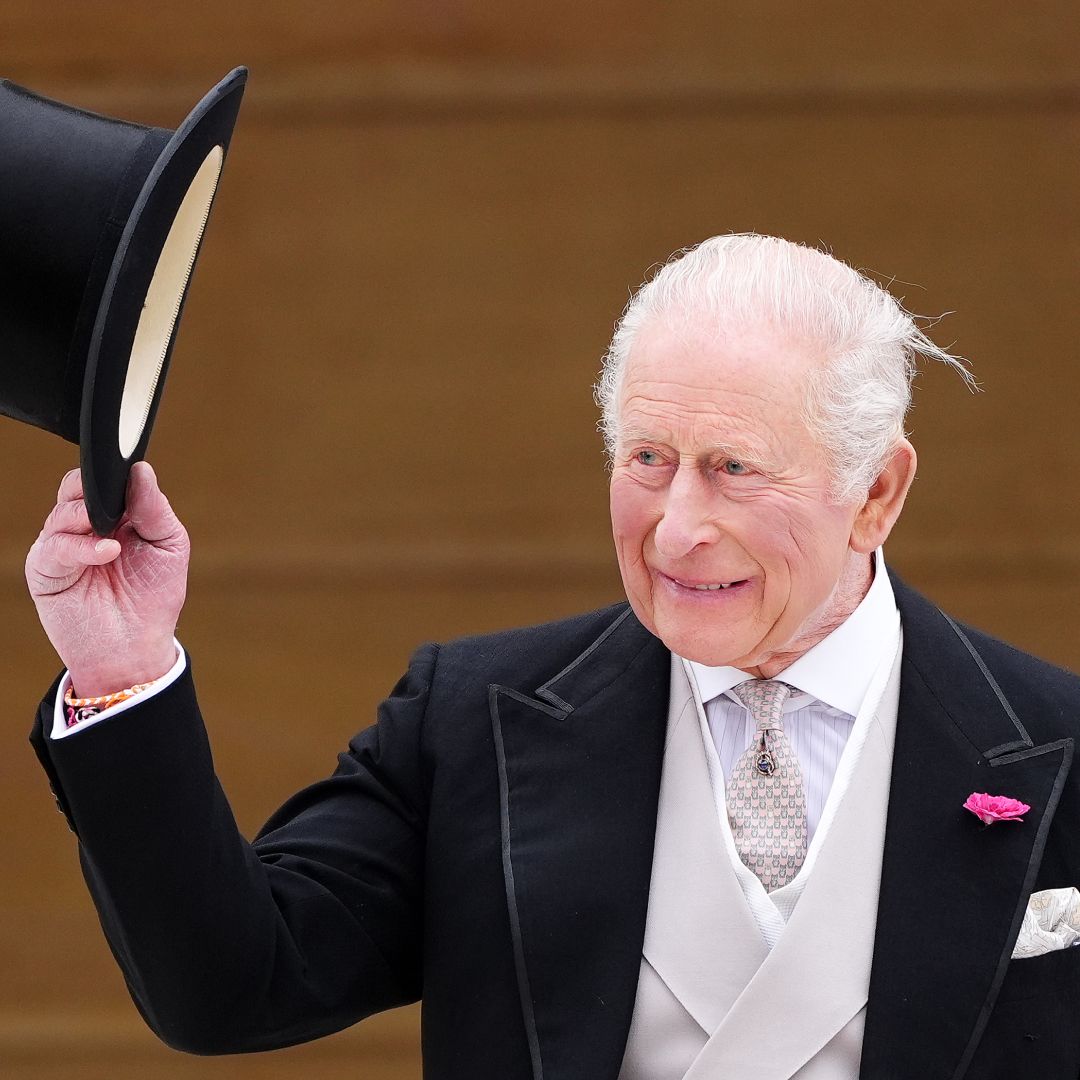
There is a particular kind of power that comes from being early. Not loud, not insistent, but quietly certain. Visen Anenden's reflection on King Charles reminds us that foresight is rarely celebrated in the moment; it is usually only recognized once the rest of the world has finally caught up. In 1970, when he spoke of single-use plastics and the fragility of our natural world, the reception was lukewarm at best. Yet he did not waver. He simply continued, planting his flag in ground that no one else could yet see. This is not the story of a man chasing relevance; it is the story of a man who understood that true influence is not about being heard today, but about being proven right tomorrow.
For our readers, there is a quiet lesson here about patience and self-trust. We live in a moment that demands immediacy, where opinions are formed and discarded within a news cycle. Charles's journey offers a different cadence, one that aligns with the kind of introspective confidence we often admire from afar. His consistency with environmental causes and organic farming was not a marketing strategy; it was a conviction. It echoes the same energy we see in the The Sovereign's Quiet Ritual of Resourceful Royal Soaks, where waste not, want not becomes a quiet philosophy rather than a public declaration. There is a thread here, woven between his personal habits and his public advocacy, that speaks to a life lived with intention rather than reaction.
We would tell anyone who asks about the King's legacy that his enduring influence lies not in the policies he has yet to sign, but in the standard he set decades ago. He did not wait for permission to care, nor did he seek applause for his foresight. That is the mark of a different kind of royalty, one that is both grounded and aspirational. In a world that often confuses volume with value, his example is a reminder that true leadership is often quiet, consistent, and deeply personal. The specific takeaway here is simple: you do not need to be understood to be right. You only need to hold your ground long enough for the world to catch up. And when it does, as it inevitably will, you will already be standing where you always intended to be.