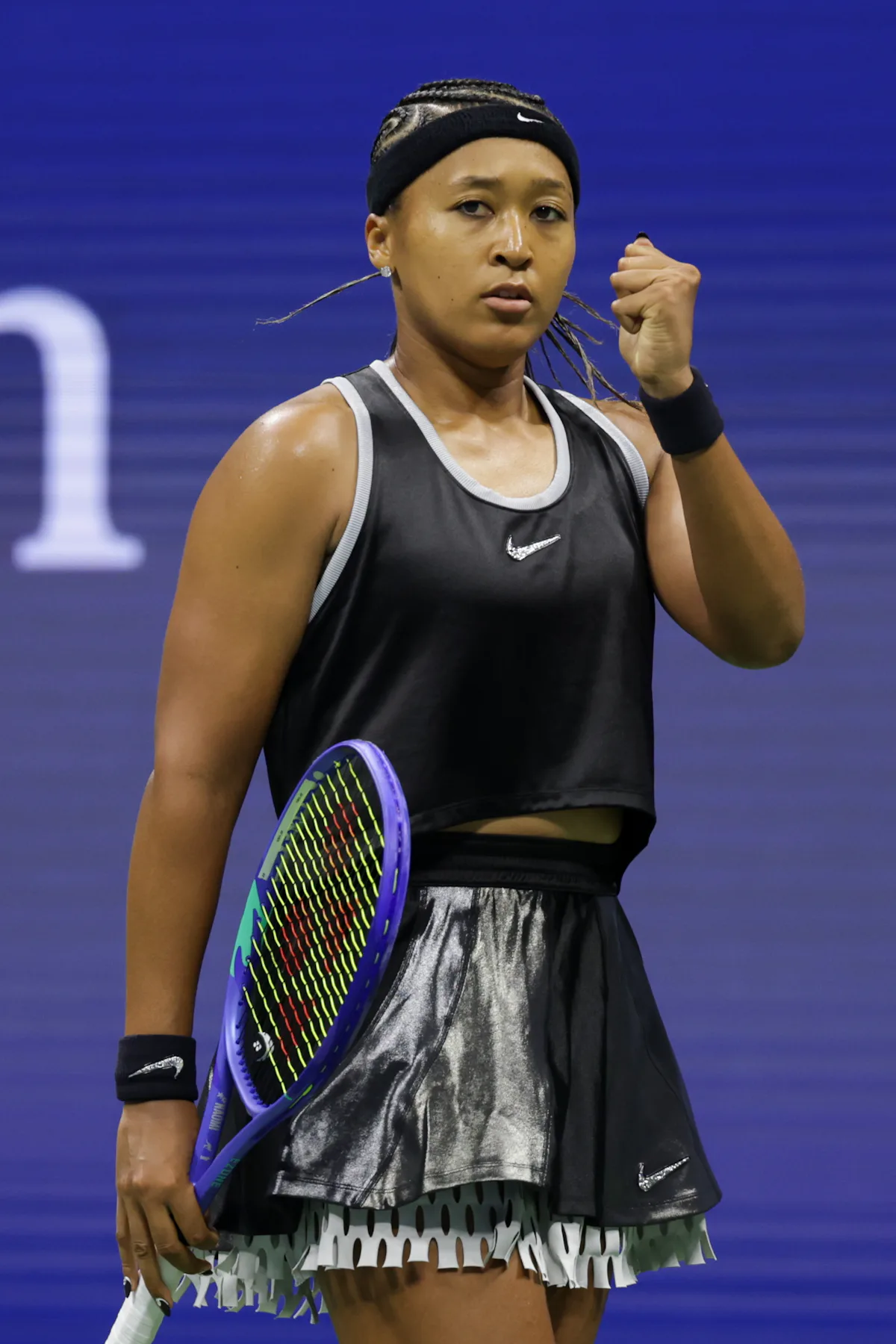
There is a particular kind of power that arrives when you stop asking for permission, and Naomi Osaka's latest US Open look is a masterclass in that quiet, unshakeable confidence. The custom Who Decides War gown, with its gray French terry bodice and patches of newspaper headlines, is not merely a fashion moment; it is a curated statement of identity. Inspired by Allen Iverson, it channels a defiant spirit that feels less like an outfit and more like a worldview. This is the energy of someone who understands that true style is not about the volume of the message, but the precision of its delivery.
This sartorial choice speaks to a deeper cultural shift we are seeing, one that values personal narrative over fleeting trends. It reminds us that our external presentation is an extension of our internal state. Just as a carefully chosen piece of clothing can ground us in our own truth, so too can the details of our daily lives, from the Elevated Footwear: Defining Fall's Quietly Stylish Sneaker Selection we choose to walk in to the way we approach our personal rituals. The connection is not about the price tag, but about intentionality. This is the same principle behind the current mood in beauty and style, where understated elegance and personal meaning take precedence over loud logos, a sentiment perfectly captured in the approach to Short nails, elevated style: Fall's manicure mood. It is the art of the deliberate choice.
For our readers, the takeaway is not to replicate Osaka's gown, but to adopt her methodology. She has taken a garment and imbued it with a story, making it a vehicle for self-expression rather than just a uniform for the court. This is where her look intersects with the broader conversation about modern femininity, which we explored in our piece on Lingerie as Layers: Daisy Edgar-Jones Redefines Modern Sensuality. Both women are using clothing as a language, communicating strength through softness and confidence through vulnerability. They are not performing for an audience; they are presenting their authentic selves to the world, and in doing so, they invite us to do the same. It is a form of self-assurance that does not need to announce itself.
What Osaka has done is create a blueprint for how we can all move through our own lives with a little more intention. The question she poses is not "What should I wear?" but "What do I want to say?" The answer lies in the details. As she walks onto the court, she is not just a tennis player; she is a narrative in motion. The specific consequence to watch is how this synthesis of athleticism and high fashion continues to evolve. If this is the standard she is setting, we should all be paying attention to what statement she makes next, because it is certain to be as deliberate and powerful as the one she just made. The boldest style statement is not the one that is loudest, but the one that is most true.