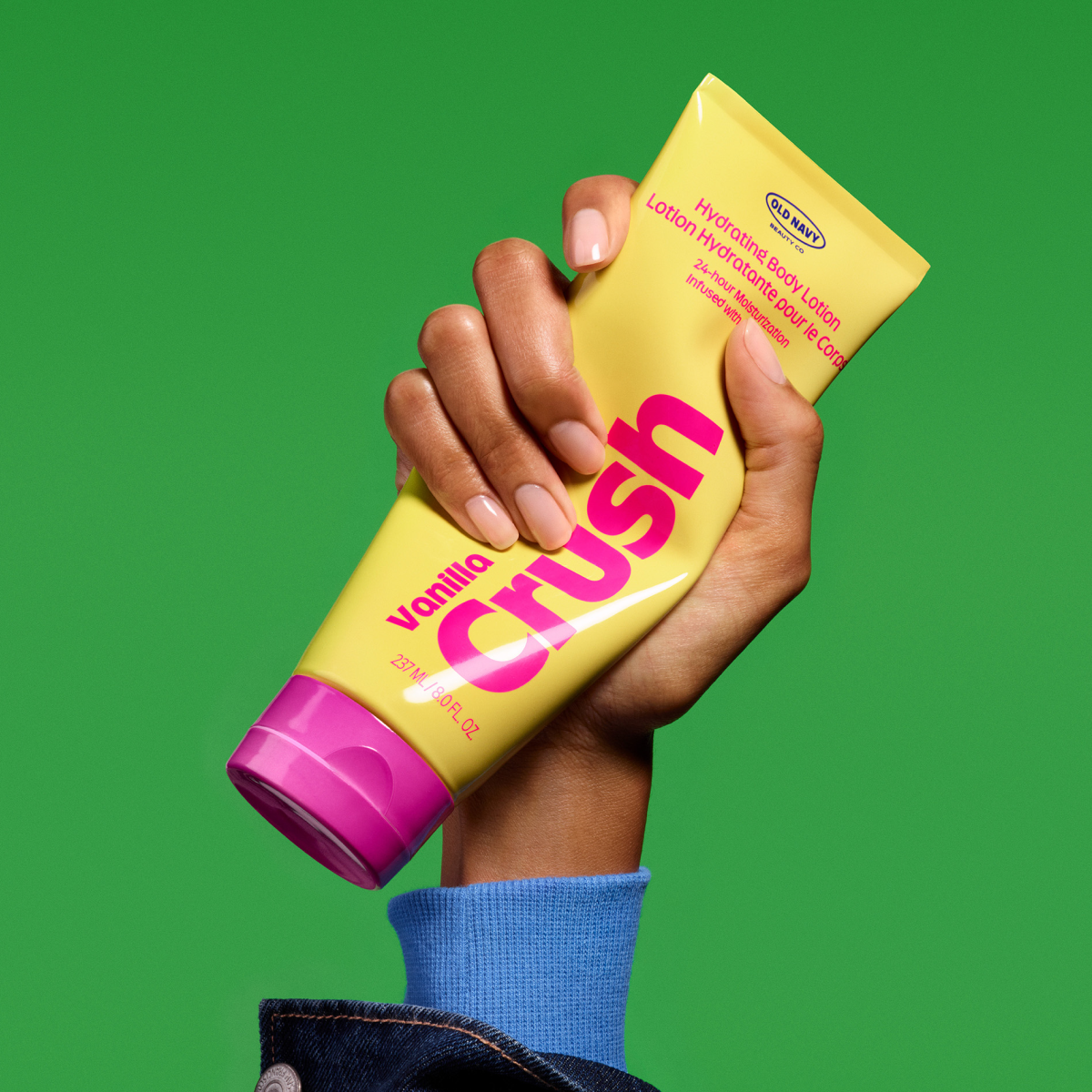
There is something quietly radical about a brand like Old Navy stepping into the world of fine fragrance. We have become accustomed to the theater of luxury perfume: the heritage houses, the whispered names of exclusive ingredients, the sense that a scent is less a product and more a pedigree. So when a label known for accessible denim and weekend basics enters this arena, the instinct is to brace for a misstep, a diluted echo of something more established. But that is not what is happening here. The initial report on this launch carries serious fragrance cred, and that alone warrants a pause. It is a reminder that the language of scent is not owned by any single tier of the market. It is a more democratic form of self-expression than we often give it credit for, and Old Navy is approaching it with a level of intention that feels refreshingly sincere.
This is where the story resonates most deeply, because it connects to a broader truth we have been circling in our own coverage. When Kilian Hennesy speaks about crafting olfactory narratives, he is not talking about price points; he is talking about the emotional architecture of a scent. Similarly, the allure of Italian Romance, Bottled lies in its ability to bottle a torrid summer fling, a feeling that transcends the luxury bottle it comes in. What Old Navy is doing feels like a cousin to these ideas, stripped of the exclusivity but not the substance. The takeaway for our readers is practical: a good fragrance is not defined by where it sits on a shelf, but by how it makes you feel when you wear it. The question is no longer "who made this?" but "what does this unlock in me?" That is a more grounded, self-aware approach to beauty, one that prioritizes personal connection over status signaling.
From a purely sensory perspective, this launch invites us to reconsider our biases. We all have a mental map of what a designer or niche scent should smell like, and we have been conditioned to expect a certain complexity from a high price tag. But scent is subjective, and the emotional response it triggers is not always proportionate to its cost. If this fragrance delivers on its promise of quality, it could quietly shift consumer expectations. It might make us ask why we have been paying a premium for a name, rather than for the art and the feeling. In that sense, this is not just a product launch; it is a quiet challenge to the established order. It asks whether we are curating our scent wardrobes based on genuine resonance or on external validation. The answer, for many of us, is probably a mix of both. But the question itself feels healthy.
What we would tell a reader who asks about this is simple: do not dismiss it. Approach it with the same curiosity you would bring to a new discovery from an independent perfumer. Let the juice speak for itself, unburdened by the logo on the bottle. And watch closely, because the real story here is not just about Old Navy; it is about the evolution of taste and the slow blurring of lines between the everyday and the elevated. The specific detail to watch is whether this first foray feels like a one-off experiment or the beginning of a more serious commitment to the category. If it is the latter, we might be witnessing the quiet start of a shift in how accessible brands approach beauty, not as a cheap imitation of luxury, but as a legitimate voice of their own. That would be a beautiful thing to smell.