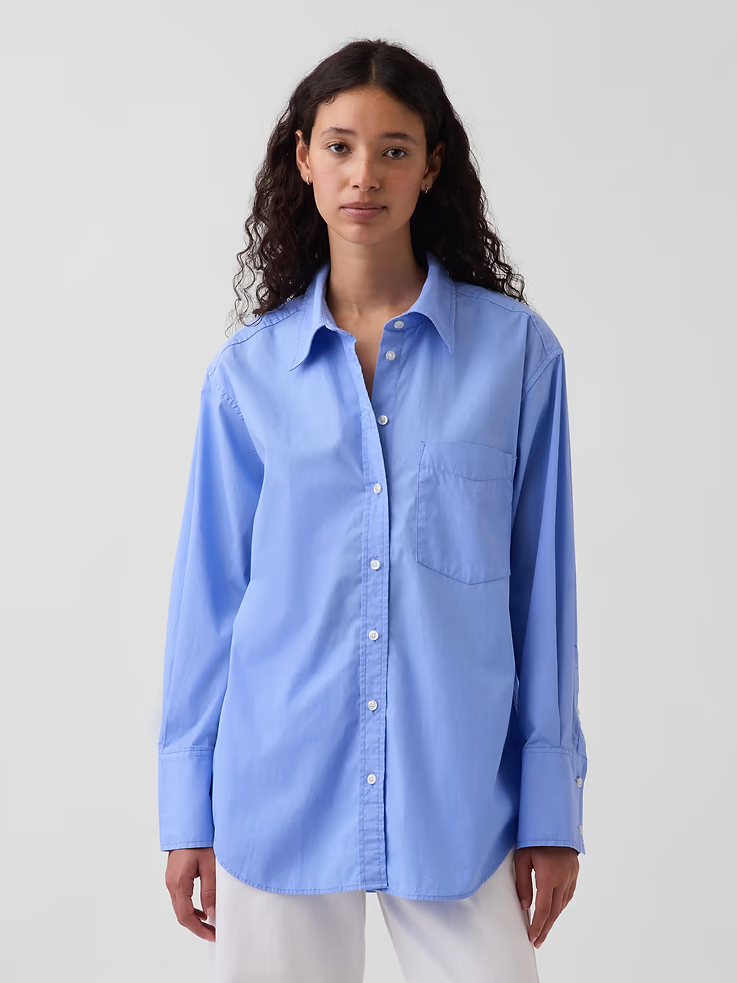
There is something quietly radical about a woman who knows exactly what she wants and refuses to lower her standards, even when her budget changes. This week, we watched a story unfold that felt less like a shopping roundup and more like a masterclass in discernment: a busy mother with expensive taste, now shopping under $100, still demanding the same quality of hardware, silhouette, and fabric she once expected from designer labels. We think that is the real story here, not the price tag, but the precision. It echoes something we explored in Refined style returns in a more accessible second collaboration, where luxury finds a new, more approachable form without sacrificing its essence. This woman is not settling; she is editing.
What struck us most was the intentionality behind each choice. She did not ask for anything generic. She asked for the best comfortable ballet flats, for satin pants at eighty dollars, for cotton poplin that holds its shape. That is the language of someone who has spent years learning what works on her body and in her life, and who now applies that knowledge with even sharper focus. We saw the same quiet authority in At 54, a Resale CEO's Week Defined in 7 Quietly Luxe Looks, where a woman's wardrobe becomes a deliberate, daily expression of self rather than a pursuit of labels. Our reader's aunt is doing the same thing, just at a different price point. The result is not a downgrade. It is a refinement.
For our readers, the practical implication is this: quiet luxury was never about the number on the tag. It was always about the eye that selects the piece. A 100% cotton sweater from Gap can carry the same weight as a cashmere blend from a heritage house if the fit is right and the intention is clear. The pieces gathered here, from the Madewell Greta Mary Jane flat to the Zara fine-knit wool jacket to the Open Edit satin bias low-rise pants, prove that understated elegance is available to anyone willing to look for it. The difference is not in the brand name but in the edit. This woman is not buying everything under $100; she is buying the one thing that passes her test.
The specific takeaway we want you to hold onto is this: your taste does not need to shrink when your spending does. If anything, it sharpens. The next time you find yourself searching for an affordable version of something you love, approach it the way this aunt approaches her texts, with the same pickiness, the same attention to hardware and hem, the same refusal to accept less than what feels like you. That is how you build a wardrobe that looks like quiet luxury, not because of what it cost, but because of what it cost you to find it.