There is a particular pleasure in finding something that looks far more expensive than it actually is, and it has nothing to do with deception. It is about discernment, the ability to recognize quality in silhouette, fabric, and detail rather than in a label. This story about a shopping director pulling together Nordstrom finds under $100 for her mother captures that exact sensibility, and it feels deeply aligned with how we think about dressing well. The goal is not to fake luxury, but to understand what makes a piece feel refined in the first place. That knowledge is the real investment.
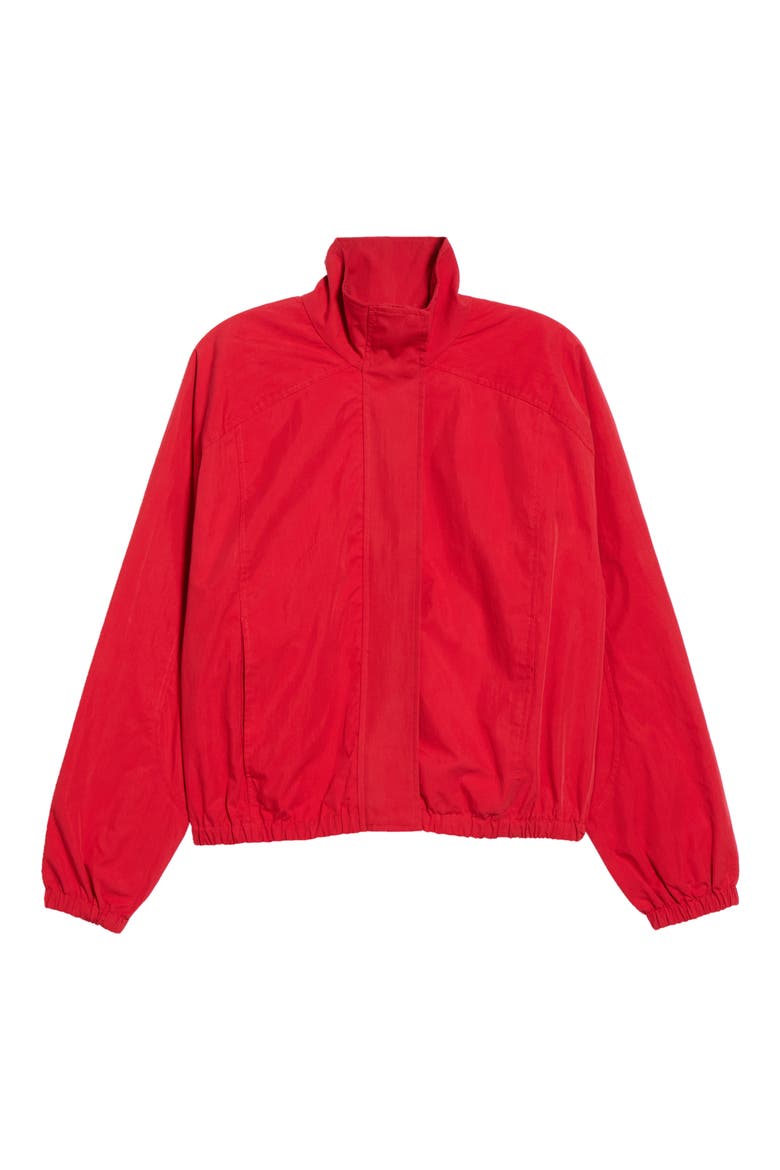
What stands out here is the curation itself. The list avoids the flashy and the fleeting, favoring versatile silhouettes that can move easily between seasons and settings. The Open Edit cotton blend track jacket in red, the Madewell Devon pants, the Arezzo ballet flats, these are not statement pieces that demand attention. They are quiet, considered additions to a wardrobe, the kind of items that work because they do not try too hard. This echoes the sentiment we explored in A curated fall edit worth your attention, not your overwhelm, where the emphasis was on intentional selection over abundance. A wardrobe built this way feels calm, because every piece has a purpose. That is the opposite of trend-chasing, and it is a far more sustainable way to approach personal style.
The practical takeaway for our readers is straightforward: you do not need to spend a fortune to dress with intention, but you do need to look closely. Notice the tie detail on the Cotton On spray jacket, the twist detail on the Open Edit sweater, the double laces on the adidas Tokyo low tops. These small elements are what elevate a piece from ordinary to considered. They signal that someone thought about the design, and that thoughtfulness translates into how the garment wears on the body. It is the same principle behind the quiet allure we admired in The Quiet Allure of J.Crew and Eckhaus Latta's Shared Vision, where collaboration and shared vision produced pieces that feel more substantial than their price points suggest.
There is also a relational dimension to this story that feels worth noting. A mother asking her daughter for recommendations, and a daughter responding with a thoughtful edit, is a small act of care expressed through style. It is not about the clothes themselves, but about understanding someone else's taste, their lifestyle, their comfort. This is how fashion becomes personal, not performative. It also mirrors the way we approach travel and ease in The art of traveling in leggings without sacrificing elegance, where comfort and refinement are not opposing forces but partners. The best wardrobe advice is always rooted in the specific person wearing it.
What we are watching for now is how this approach holds up as the season shifts. The argyle pullover, the funnel collar jacket, the faux leather booties, these are pieces that will either prove their versatility over the next few months or fall flat. Our bet is on the former, because the selection criteria were sound from the start. The real test will be how easily these items integrate with what you already own, and whether they still feel right by March. If they do, then the lesson is confirmed: price is a poor measure of value, and taste is the only currency that matters.