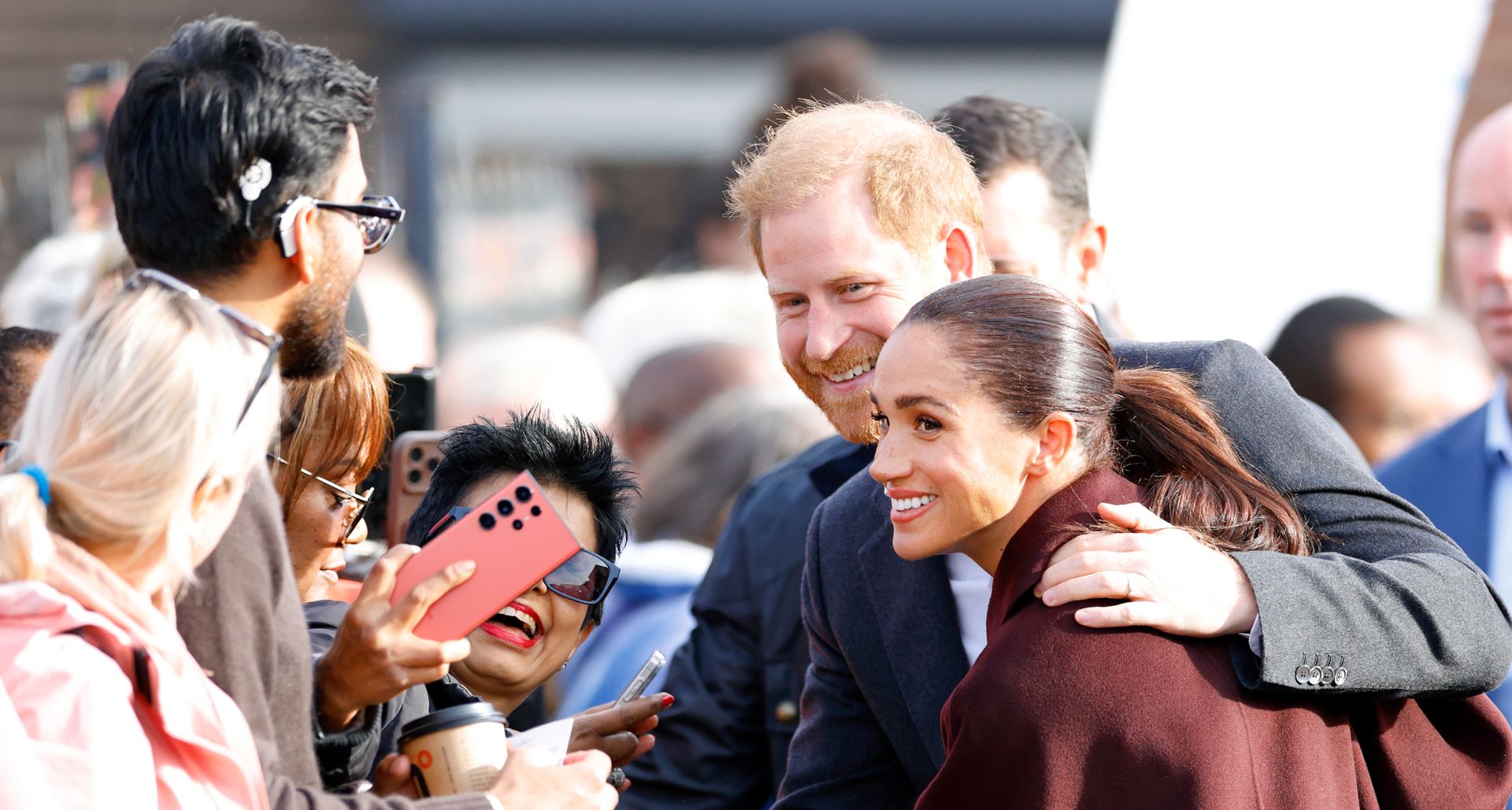
There is a quiet dissonance in the Sussexes' Nottingham return that deserves more than a headline's worth of scrutiny. Russell Myers, royal editor of the Daily Mirror, observed what many felt but few articulated: the couple widely publicised their first joint U.K. appearance since moving back, yet have spent years framing the country as too dangerous for their family. This is not a contradiction we can dismiss as media spin. It is a choice, and choices reveal character. The question is not whether Harry and Meghan deserve security, that is a legal matter for another day, but whether their public posture has become strategically inconsistent in ways that erode the very trust they seek to rebuild. As we explored in The Royals' Unspoken Terms Were Never Their Terms to Make, the couple's relationship with the institution has always been defined by a refusal to accept the structural boundaries of royal life while still wanting its platform. Nottingham was no exception.
The operational details of the October 15 visit were not embargoed as they are for working royals. Anyone with an internet connection could have known exactly where the Duke and Duchess would be. Myers noted that the couple would have "wanted crowds there and to create some sort of buzz" for the community organisations they visited. That is a generous read. The less generous one, and the one that feels truer to the facts, is that they wanted the crowds for themselves, the applause, the photographs, the visible proof that their star power endures. Yet as recently as May 2025, Harry told the BBC he could not see "a world in which I would be bringing my wife and children back to the UK at this point." He cited security fears. So which is it? Either the risk is real, in which case a highly publicised walkabout in Nottingham is reckless, or the risk has been overstated, in which case the narrative of victimhood begins to fray. This is not about denying the couple their safety; it is about holding them to the same standard of coherence we would expect from any public figure. And as A Calculated Return Meghan Markle Signals Intent Through British Design noted, every sartorial and logistical choice in this return felt deliberate, which makes the security contradiction feel equally deliberate.
What we find most telling is not the security debate itself, but what it reveals about the couple's relationship with their own narrative. They want the freedom to move through the world on their own terms: private jets when it suits them, public walkabouts when it suits them, security from the state when it suits them, and private teams when the state says no. That is not unreasonable as a personal wish, but it is unreasonable as a public position without acknowledging the tension. The presence of Nottingham Police and community support officers at the event, reported by Jan Moir of the Daily Mail, suggests that some level of state support was indeed available. The couple's private team was there too. So the security was not absent, it was simply not the full taxpayer-funded package Harry has demanded. That distinction matters. It is the difference between saying "I am unsafe" and saying "I am not getting the level of protection I believe I am owed." One is a plea. The other is a negotiation.
We will watch what happens next with specific attention to one detail: whether the Sussexes schedule another high-profile U.K. engagement before Harry's security review concludes. If they do, the Nottingham model, publicised, policed, and privately protected, will have become their working template, and the security argument will quietly lose its force. If they do not, the fear will have been confirmed as genuine. Either outcome tells us something. The couple cannot have both the crowd and the complaint. At some point, the muse must choose which story she wants to tell.