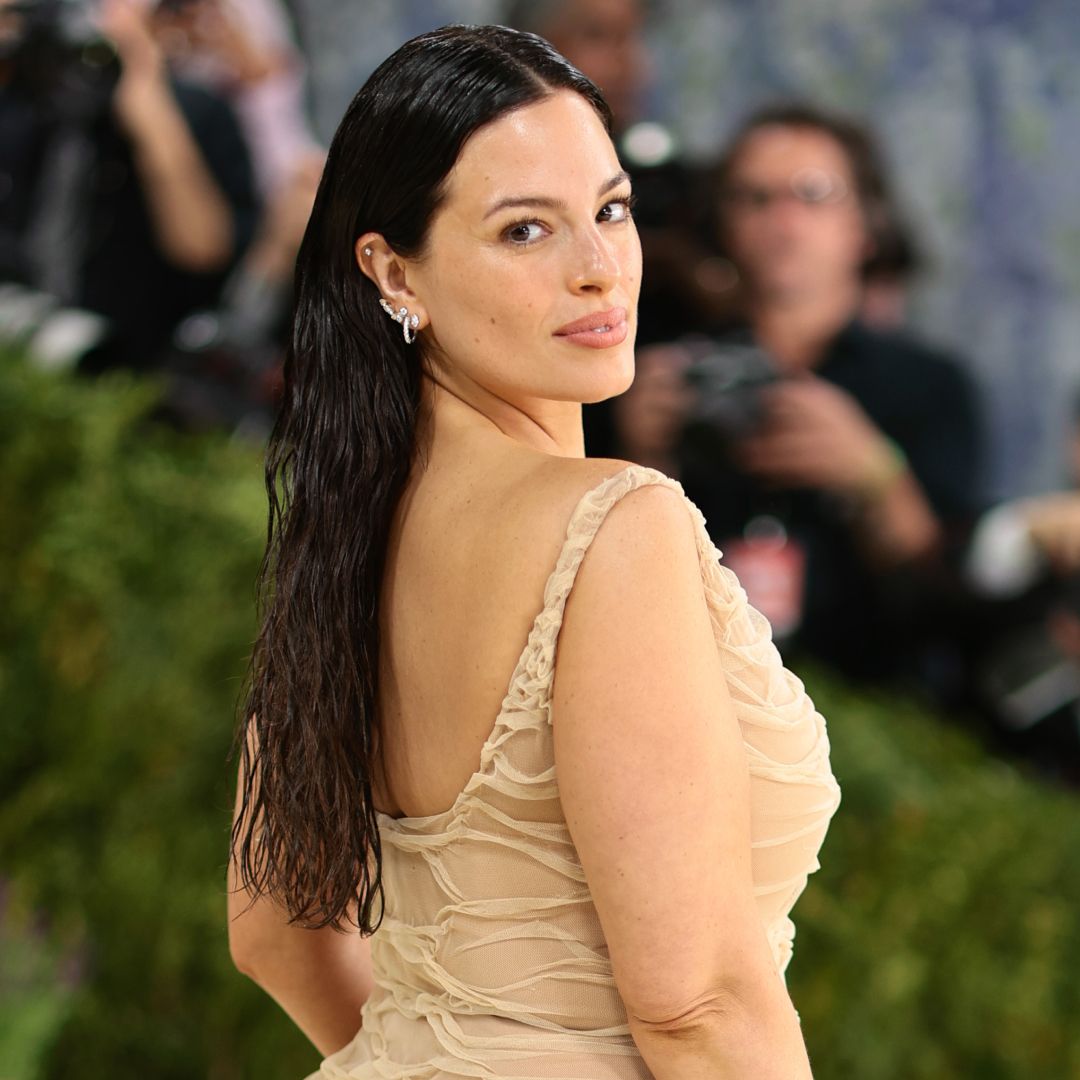
Ashley Graham’s Met Gala moment feels like a quiet declaration of what fashion can become when it steps beyond the runway and into the realm of art. By arriving in an off‑the‑rack DiPetsa gown—an ethereal cascade of silk organza and hand‑stitched embroidery—she turned the “Fashion Is Art” mantra into a lived experience, reminding us that luxury need not be manufactured but can be discovered in the unexpected. This choice reverberates through the broader dialogue we’ve been cultivating on our platform, from the sustainable storytelling in our Weekly Thrift Haul Thread to the way Connor Storrie’s stylist curates timeless red‑carpet looks that feel both archival and immediate. Graham’s look serves as a bridge: it honors the craftsmanship of a heritage label while anchoring the moment in the present, proving that a single piece can embody both personal narrative and collective aesthetic.
What makes Graham’s appearance especially resonant is the subtle power in its restraint. In a room where many opted for overt spectacle—hyper‑futuristic silhouettes, exaggerated volume, or overt branding—her gown whispered rather than shouted. The delicate drape of the fabric, the muted ivory palette, and the understated sparkle of the embellishments all speak to a confidence that does not need to be announced. This aligns with the current shift toward “quiet luxury,” a movement that values provenance, tactile richness, and emotional resonance over conspicuous consumption. By choosing an off‑the‑runway piece, Graham also challenges the industry’s hierarchy of exclusivity, suggesting that true style can be sourced from the moments when a designer’s vision meets a client’s intuition. It is a reminder that the most compelling fashion stories often begin with a single, thoughtfully chosen garment rather than a cascade of high‑priced labels.
From a cultural perspective, Graham’s statement carries weight beyond the aesthetics of a single night. As a prominent body‑positive advocate, she continues to expand the visual vocabulary of what a “supermodel” looks like on the world’s most photographed stage. The DiPetsa gown, with its fluid lines and soft silhouette, embraces her form without imposing a singular ideal of beauty; instead, it celebrates the spaces between movement and stillness, presence and performance. This subtle empowerment aligns with the evolving narrative of femininity that we champion—one that is sensual yet tasteful, confident without aggression. In a media landscape saturated with fleeting trends, her poised presence underscores a deeper, more enduring conversation about self‑connection and the freedom to inhabit one’s own narrative.
Looking ahead, Graham’s Met Gala choice invites us to consider how the industry might further democratize high fashion without diluting its essence. Will more designers embrace off‑the‑rack collaborations that allow icons to re‑interpret existing collections, thereby fostering a dialogue between heritage and contemporary relevance? As we watch the next season’s runway shows and red‑carpet events, the question remains: can the quiet luxury Graham embodied become a standard rather than an exception, guiding both creators and consumers toward a more intentional, emotionally resonant fashion ecosystem?