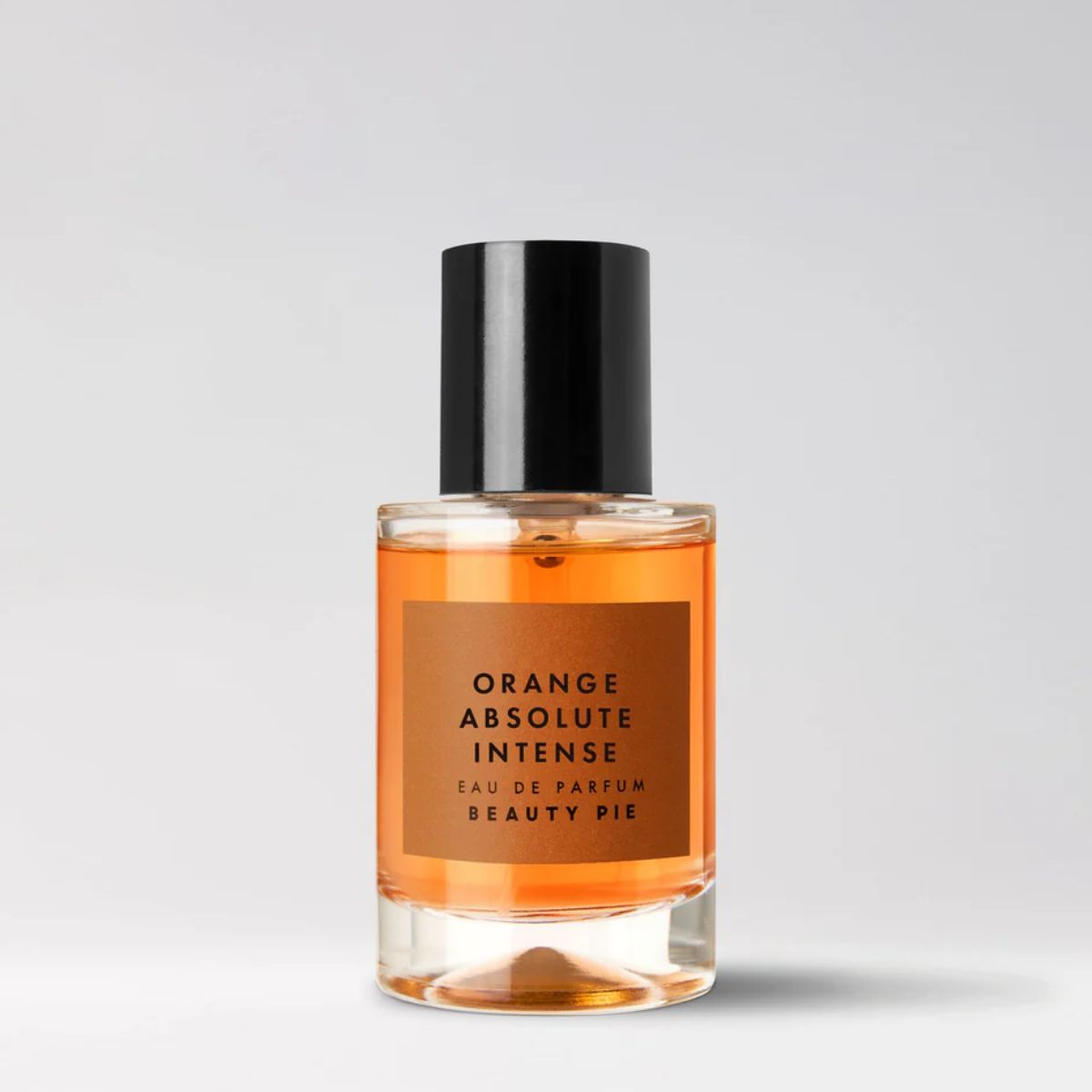
There is a particular kind of woman who understands that fragrance is not a finishing touch, but a foundation. It is the first thing you put on in the morning and the last thing you feel before you sleep. The recent feature on the perfume defining quiet confidence understands this intuitively. It speaks to the idea that a scent should not announce itself; it should linger as an impression. This aligns with our ongoing observation that the most compelling style choices are those that whisper. It is the same philosophy behind the Intentional Color: The Makeup That Elevates, Not Overpowers, where restraint is the ultimate luxury.
The article's celebration of a fragrance wardrobe, rather than a single signature scent, is where the true wisdom lies. It suggests a level of self-awareness that goes beyond vanity. You are not picking a scent to define you; you are picking one that reflects the current state of your inner world. Some days require the warmth of a gourmand; others call for the grounding nature of a woody musk. This is not indecision; it is emotional fluency. We would tell any reader that this is the practical takeaway: do not let a single bottle become a cage. Your fragrance should be as fluid as your mood, a responsive tool for the energy you intend to carry. It is a lesson in presence, a way of checking in with yourself before you step out into the world.
This approach feels particularly resonant when we consider the broader visual language of modern femininity. There is a parallel to be drawn with the understated elegance found in the Vintage Romance, Reimagined: For Love & Lemons Fall Bridal, which finds its power in a loosened, more romantic mood rather than a rigid structure. Neither the bride nor the fragrance wearer needs to try so hard. The confidence comes from knowing that the details are for you, not for an audience. It is also why we see a similar quiet return in the Milan's Beauty Scene: The Bob Hairstyle's Quiet, Enduring Return. These are not trends that scream for attention; they are statements of personal comfort and assured taste.
Our honest take is that the piece confirms a shift away from sensory overload and toward sensory intention. The best compliment you can receive is not "that perfume is loud," but rather, "you smell incredible," as if the scent is an invisible part of your aura. For our readers, the concrete action is to edit. Go through your collection and be honest about what serves the version of you that you are today. Discard what feels like a costume. Keep what feels like a memory. The specific detail to watch for is how your own perception changes; you will find that the right fragrance does not make you feel like someone else. It makes you feel more fully yourself, which is the only impression worth leaving.