There is something quietly magnetic about being invited behind a door that has always been closed. The announcement that Paul Burrell, Princess Diana's former butler, will lead a luxury seven-day rail tour of the U.K. in 2027 feels less like a typical vacation package and more like an intimate passage into a world most of us have only glimpsed from a distance. For those who find themselves drawn to the refined layers of royal life, not the tabloid noise, but the quiet rituals and the spaces that held them, this is an experience that trades spectacle for substance. It is a reminder that true access is rarely about proximity to power; it is about proximity to memory. And in a cultural moment where we often see the royals through the lens of strategy and competition, much like the How Carole Middleton Won Over the Queen With Quiet Strategy narrative that reveals how Princess Kate's mother navigated palace dynamics, Burrell offers something rarer: a personal, unguarded perspective shaped by twenty-one years of service.
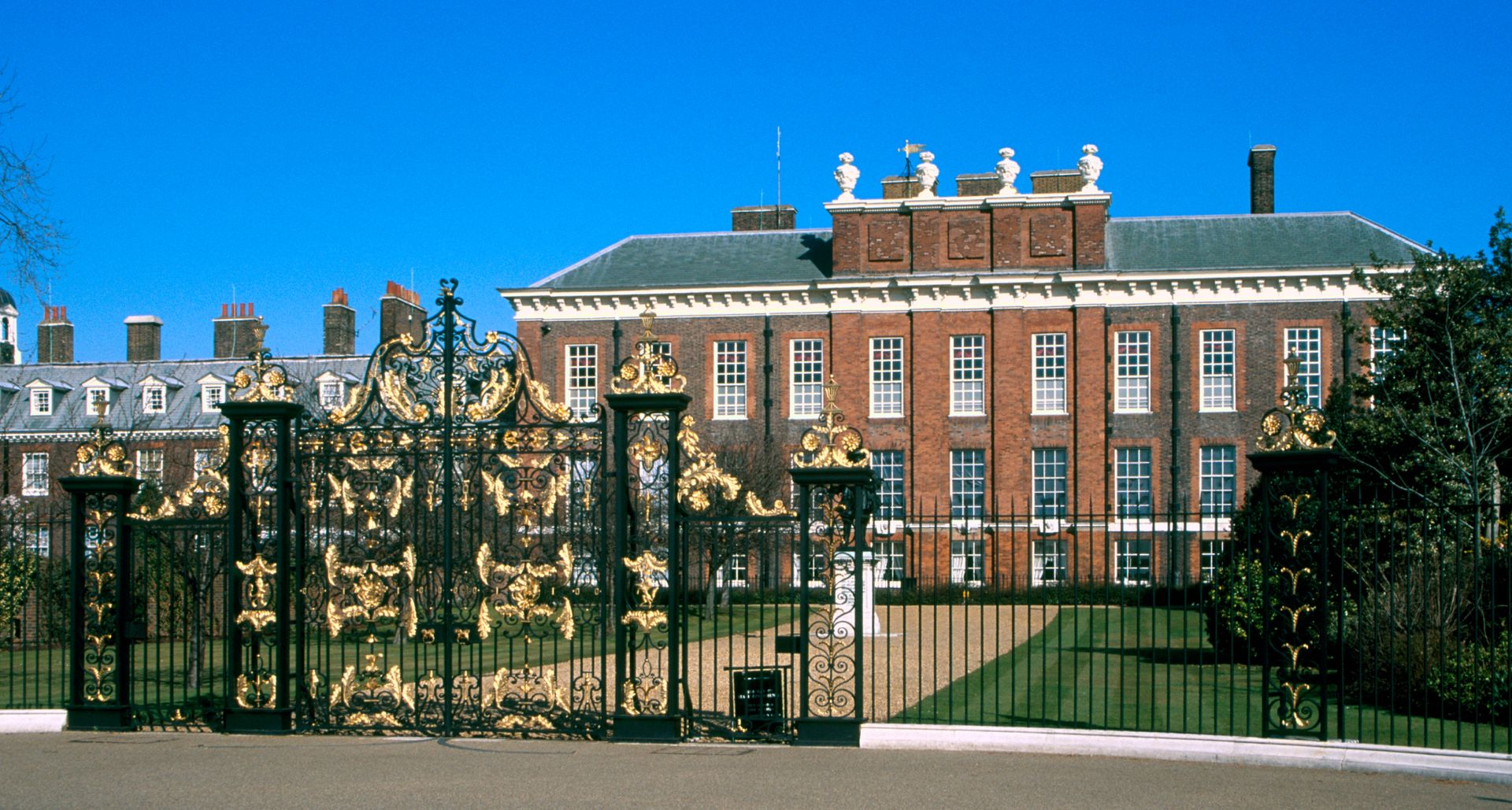
The itinerary itself is a study in intentional curation. Limited to just twenty-four guests per group, the journey moves through Kensington Palace, Windsor Castle, Westminster Abbey, and the Palace of Holyroodhouse before arriving at the Royal Yacht Britannia and a gala dinner at the five-star Balmoral Hotel. These are not drive-by photo stops. Burrell will walk guests through the rooms he once tended, sharing stories that took place behind closed doors. This is the kind of detail that cannot be found in a guidebook or a documentary. It is the texture of a life lived in service to a family, not a brand. And it echoes a certain sensibility we recognize in our own world: the value of knowing the story behind the object, the quiet detail behind the grand gesture. Even the way we approach our seasonal essentials, like the Rainy season essentials at a refined discount for timeless style we recently explored, reflects the same impulse to choose what endures over what shouts.
What makes this offering particularly compelling is how it reframes the idea of luxury. At nearly seven thousand dollars per person, this is not a casual purchase. But the value here is not in the five-star hotels or the first-class rail travel, though both are present. It is in the intimacy of scale and the singularity of perspective. Burrell has lived inside these buildings. He served the late Queen at Windsor, lived with Diana at Kensington, and sailed on Britannia. That kind of proximity creates a memory bank that no historian can replicate. When he calls Balmoral "a fairytale castle set amongst the heather-covered mountains," he is not reciting a brochure. He is describing a place that held the final days of a monarch he served for over a decade. That emotional weight is the real currency of this journey.
The practical takeaway is this: if you have ever wished to see the royal residences through the eyes of someone who did not just visit them but belonged to them, this is the only opportunity of its kind. Spaces like Kensington Palace and Windsor Castle are often experienced in a crowd, on a schedule, from behind a rope. Here, they become something else, a living archive, narrated by a man who once opened the doors for Diana. The question is not whether the price is justified. The question is whether you are ready to see these walls the way he does, with the kind of intimate knowledge that only time and trust can build.