There is something quietly magnetic about a woman who understands that luck is not passive, it is curated, carried, and sometimes borrowed. Angel Reese walked into Game 5 of the WNBA Finals with Jordyn Woods's now-legendary orange "lucky bag" slung over her shoulder, a gesture that felt less like superstition and more like intention. It did not deliver a win for the Atlanta Dream, but that was never really the point. Reese understood what Woods already knows: a talisman is not a guarantee, it is an attitude. This is the same quiet authority we see in Jennifer Lawrence's Sneakers Prove Quiet Style Speaks Louder, where the message is carried not by logos but by presence. Reese's choice to borrow that bag, to wear a piece of another woman's victorious narrative into her own arena, speaks to a kind of emotional fluency that transcends the scoreboard.
The bag itself is almost absurdly bold: a faux-ostrich flap in a shade of orange that demands allegiance. Reese paired it with a black "Protect Black Women" tee, flared leggings, slim sunglasses, and leather Chanel flip-flops, a study in restraint that let the accessory do the shouting. This is not a woman who needs a win to validate her taste. She has already proven, as she did earlier this year with a clementine-colored Chanel Flap Bag and vintage Dior denim, that she moves through color with the same ease others reserve for neutrals. It is a reminder that the most compelling style choices are not about matching, they are about meaning. Just as Spring's Quietest Luxury Looks, Curated From New York to Paris remind us that refinement often lives in the understated, Reese's tunnel look proves that boldness, too, can be intentional when it is chosen rather than performed.
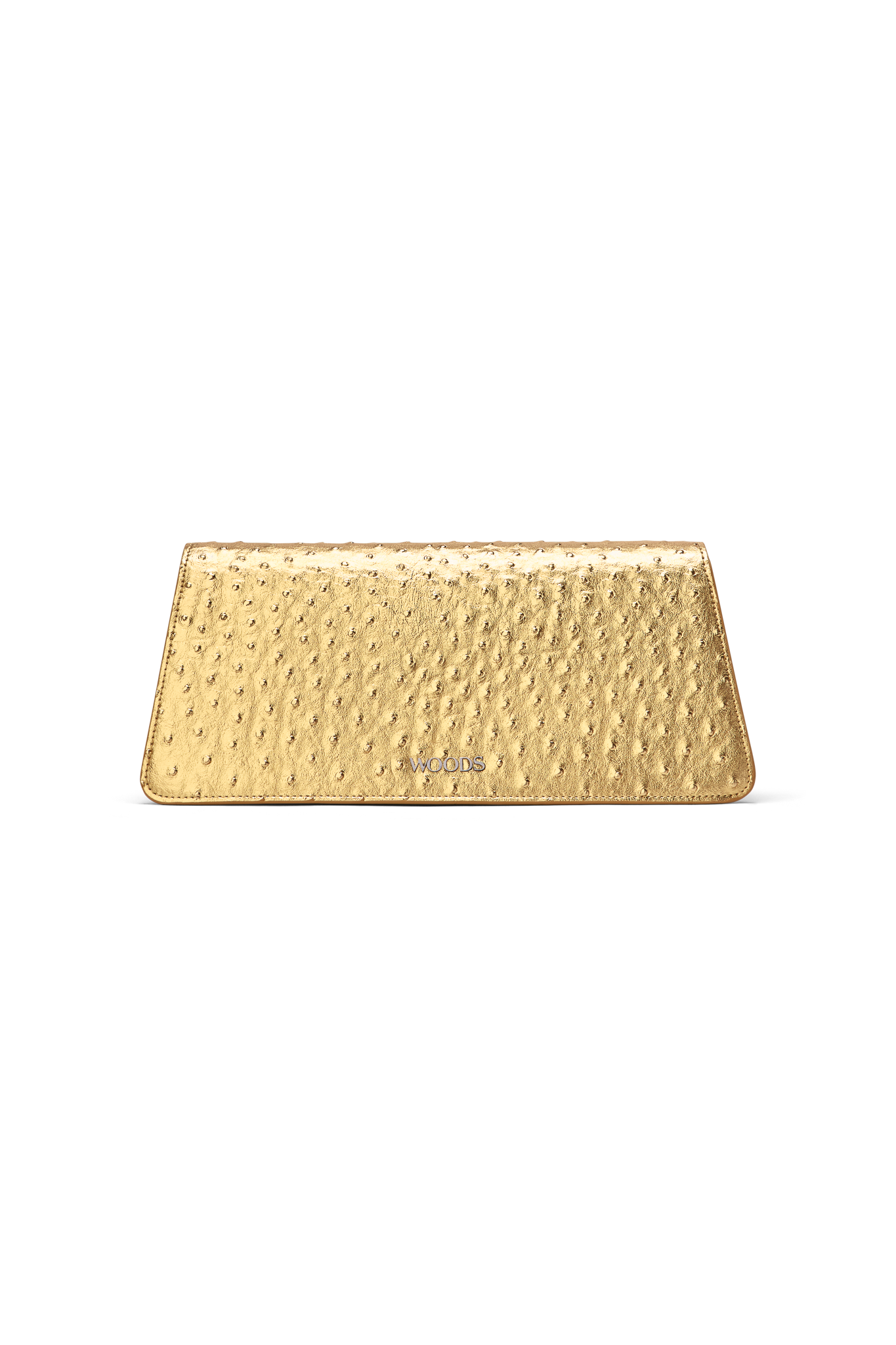
What makes this moment linger is not the loss but the lineage. Jordyn Woods built a bag that became a living artifact of the New York Knicks' historic championship run, appearing at nearly every victory before being retired to the Guggenheim Museum. She then reissued it in trophy gold to honor the win itself, and now in white for the Atlanta Dream. That is the quiet genius of Woods's approach: she does not sell accessories; she archives moments. Reese, by borrowing that orange bag for a game her team did not win, participated in something larger than a single match. She understood that the value of a lucky object is not in its track record but in the confidence it lends the person who carries it. As Woods herself told Marie Claire, "It's not something you can force. It has to just happen." Reese did not force the outcome; she simply showed up wearing a story that already belonged to someone else, and in doing so, made it partially her own.
The concrete question left in the air is not whether Reese will try again with another borrowed charm, but whether the rest of us are ready to treat our accessories as talismans rather than trophies. The white Atlanta Dream version of the Tux Clutch Mini exists, and it is still available. The gold trophy edition has not sold out. The orange original is resting in the rafters, exactly where it belongs. For anyone who has ever wanted to borrow a little of someone else's certainty, the lesson is plain: you do not need to win to wear the bag. You just need to know what it means.