Anne Hathaway's Bixie On The Cover Of 'Vogue China' Is A 2012 Throwback
Our take
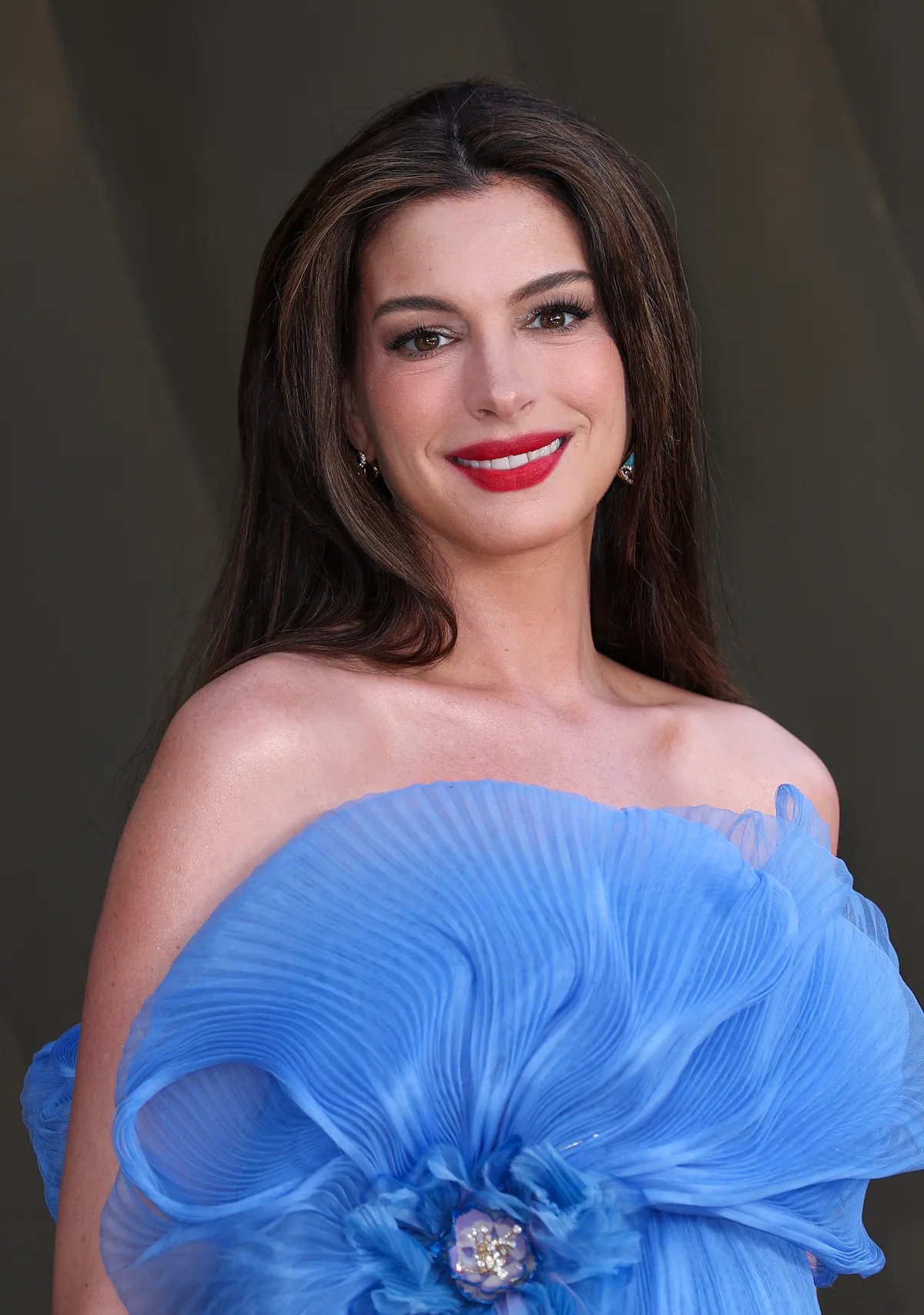
The cyclical nature of fashion is undeniable, and Anne Hathaway’s return to the pixie cut for Vogue China feels like a particularly poignant illustration of that truth. It's a callback to a moment in 2012 when the style was inextricably linked to her performance in *Les Misérables*, a visual shorthand for a transformative role and, ultimately, an Oscar win. Seeing her revisit the look now, some fourteen years later, speaks to a broader shift – a re-embracing of styles once considered ‘past’ but now viewed through a lens of nostalgia and renewed appreciation. This echoes a current trend toward revisiting and reinterpreting past aesthetics, as seen in the [The Trendiest Haircuts For Fall 2026 Include Shags & Supermodel Layers] and the overall resurgence of Y2K influences that have permeated recent runways and street style. It’s a comforting familiarity amidst a constantly evolving landscape, and Hathaway’s choice feels both intentional and remarkably chic.
The significance of Hathaway’s decision extends beyond simply reviving a hairstyle. It speaks to a deliberate return to a more understated, classic beauty. While she’s consistently delivered captivating performances, her red carpet presence has sometimes been met with mixed reactions – moments that felt a little too ‘trying’ perhaps. This Vogue China cover, however, exudes a quiet confidence and effortless elegance. It aligns beautifully with the sensibilities of modern femininity, a space where strength and sophistication are conveyed not through ostentation, but through refined simplicity. Consider the parallel to Gisele Bundchen's recent Marc O’Polo campaign [Gisele Bundchen is Effortlessly Chic in Marc O’Polo Fall 2026], where the supermodel embodies that same understated cool. Both instances highlight a move away from maximalism toward a more considered, timeless aesthetic—a visual language of quiet luxury.
This revisiting of the pixie cut also has implications for how we perceive celebrity style and its relationship to personal identity. Hathaway isn’t merely adopting a trend; she’s reclaiming a look that was intrinsically tied to a pivotal moment in her career. It suggests a self-awareness and a willingness to draw upon personal history to create a compelling visual narrative. It’s a far cry from the fleeting, trend-driven styling often seen in celebrity imagery. Furthermore, the choice to feature this look in Vogue China, a publication known for its discerning eye and appreciation for nuanced beauty, signals a broader shift within the fashion industry toward celebrating individual style and a more mature understanding of beauty. The broader editorial direction of the magazine, and indeed the wider fashion landscape, seems to be moving away from chasing the *newest* thing and instead appreciating the enduring power of well-executed classics [The Fall 2026 Pieces Fashion Editors Are Buying Before Everyone Else], prioritizing quality and intentionality over fleeting trends.
Ultimately, Anne Hathaway’s return to the pixie cut is more than just a hairstyle revival; it's a statement about timelessness, understated elegance, and the power of personal narrative. It reinforces the growing appreciation for quiet luxury and the modern muse – a figure who embodies confidence and grace without needing to shout for attention. The question now is: will this signal a wider embrace of 'past' styles, not as mere retro revivals, but as carefully curated elements of a personal, evolving aesthetic? And will other celebrities follow suit, drawing inspiration from their own style histories to create a more authentic and enduring visual presence?
It may feel like a distant memory now, but many moons ago, Anne Hathaway had a pixie cut. Way back in 2012, the actor shaved her iconic brunette mane on screen in the musical drama Les Misérables, styling the ‘do as a cute short cut throughout the press cycle that followed. She eventually won the Academy Award for Best Supporting Actress thanks to her stellar performance in the film and, yes, that commitment to the craft. And now, some 14 years later, the actor has resurrected the style (well, sort of) for Vogue China.
In a cover shoot snapped by photographer Norman Jean Roy for the magazine’s September issue, Hathaway sports a razor-cut bixie, with length concentrated at the top of the head and short bangs in the front. Styled by Hathaway’s go-to hairstylist Orlando Pita, the cut’s quite a bit choppier than the one Hathaway had all those years ago, but it definitely still evokes the era.
The gamine-like hair was a perfect match for the elegant, slightly androgynous styling by Tonne Goodman, which included tailored blazers, oversized suiting, and the strategic placement of several impressive gems. Hathaway’s go-to makeup artist Hung Vanggo created a clean, minimalist glam, while manicurist Mo Qin gave the actor a short, neutral nude mani.
Even though Hathaway’s hairstyle is almost certainly a wig, hairstylist Alex Pardoe told TZR that bixies and grown-out pixies are, in fact, set to trend this fall. With the additional length at the top of the head and around the face, the style “gives you the impact of a short haircut while still leaving enough hair to play with different styling options,” he noted.
Read on the original site
Open the publisher's page for the full experience