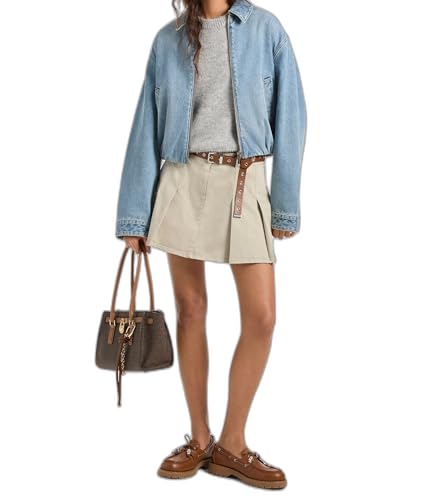
The allure of anticipating the next season’s trends is a familiar one, and Amazon Prime Day’s early access to fall fashion feels particularly strategic. It’s a savvy move by both retailers and publications like Who What Wear to capitalize on the consumer desire for a head start – a subtle shift away from the frantic, end-of-season sales and towards a more considered, almost curated approach to wardrobe building. We’ve seen a growing emphasis on capsule wardrobes and intentional styling, exemplified by pieces like those featured in I Just Built an Expensive-Looking Capsule Wardrobe Entirely From Amazon Buys, demonstrating a desire for quality over quantity and a move toward timeless pieces. This Prime Day strategy subtly reinforces that narrative, positioning the sales as an opportunity to invest in thoughtfully selected items rather than a frantic race for discounted fast fashion. It’s about building, not just buying.
The focus on brands like Levi's within these sales also speaks volumes about the evolving landscape of consumer preferences. While fleeting trends still hold sway, there’s a deepening appreciation for heritage brands and enduring classics. The “quiet luxury” aesthetic, increasingly pervasive across fashion and lifestyle spaces, emphasizes understated elegance and enduring quality – a far cry from the logo-driven maximalism of previous years. Furthermore, the growing awareness of sustainability and ethical production is undeniably influencing purchasing decisions. Consumers are increasingly scrutinizing brands and seeking out those that align with their values, and the inclusion of well-respected brands like Levi’s, known for their durable denim and, increasingly, their sustainability initiatives, caters directly to this demand. Even seemingly small details, like a well-chosen nail color to complement an emerging aesthetic, as explored in Hailey Bieber's Nail Artist Told Me *These* Are the Coolest OPI Nail Colors to Wear This Summer, highlights this desire for curated, intentional style—a cohesive expression of self.
The broader significance here lies in the changing relationship between consumers and sales events. Prime Day, once synonymous with impulse buying and fleeting discounts, is increasingly being positioned as a strategic opportunity for considered purchases. The shift towards highlighting specific trends, like those forecasted for fall, encourages a more deliberate approach to shopping. It’s less about grabbing whatever's cheap and more about securing pieces that align with a broader style vision. The emphasis on brands known for quality and durability also signals a move away from the disposable nature of fast fashion and towards a more sustainable and long-term approach to building a wardrobe. This echoes the growing demand for products that are not only aesthetically pleasing but also ethically and environmentally responsible, a sentiment that permeates many consumer choices today, even within the realm of skincare as explored in I Tested 22 Face Washes for Rosacea—These 8 Derm-Approved Options Came Out on Top.
Ultimately, the early unveiling of fall trends on Prime Day reveals a fascinating evolution in the way retailers and publications connect with consumers. It’s a move away from reactive sales tactics and towards a more proactive and curated approach, anticipating consumer needs and aligning with a growing desire for intentionality and quality. The question moving forward is whether this curated approach will become the new standard for sales events, or if the allure of spontaneous discounts will always hold sway. Will the consumer embrace the opportunity to build a thoughtful, enduring wardrobe, or will the frenzy of instant gratification continue to dictate purchasing decisions? The answer likely lies in the continued evolution of consumer values and the ongoing dialogue between brands and the individuals they serve.