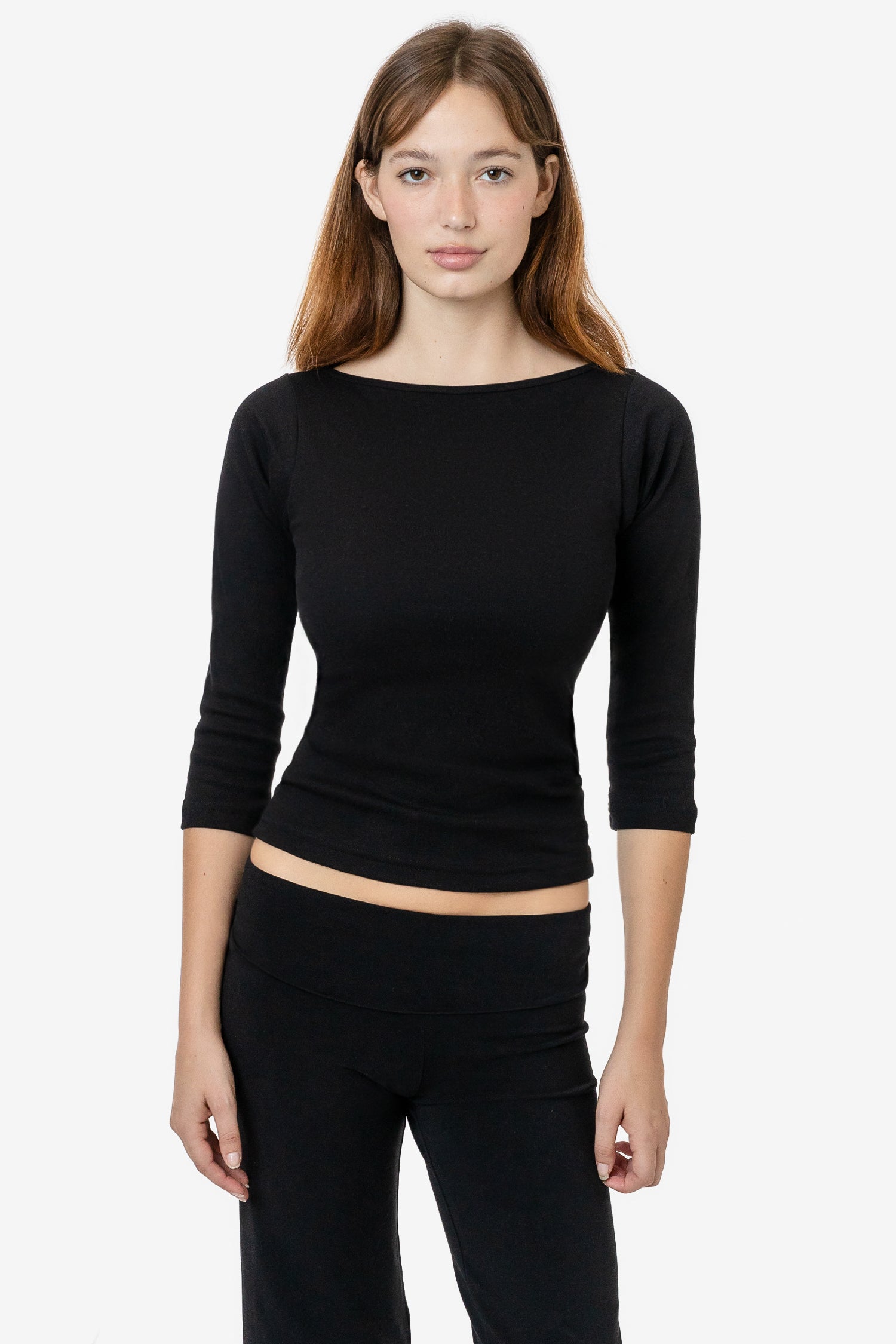
There is a particular kind of confidence that comes from knowing what you want before the world tells you it is desirable. The editors at Who What Wear operate in that space, analyzing trends months in advance and watching them materialize on runways long before they reach our closets. Their anticipatory eye for fall 2026 is not about chasing novelty for its own sake; it is about curating a perspective that feels inevitable rather than reactive. We find ourselves drawn to this approach because it mirrors our own belief that style is less about following a calendar and more about listening to an internal compass. The carryover of capris, faux-fur coats, and the quietly foundational pieces from Flore Flore basics suggests a season of refinement, not reinvention.
What resonates most here is the editorial commitment to seeing trends as a language rather than a list. When we read about the sustained presence of these pieces, we are reminded of the Quietly Exceptional Finds That Earned Their Devoted Following, items that do not demand attention but command respect through their utility and form. This is the quiet luxury ethos we champion: a garment earns its place in your wardrobe not because it is loud, but because it is right. The anticipation of fall 2026 is not about predicting a single silhouette; it is about recognizing that true style is a slow accumulation of choices that feel like extensions of the self. Those who understand this do not need a season to tell them what to wear. They simply recognize their own taste reflected back at them.
For our readers, the practical takeaway is a permission slip to trust your own editing eye. You do not need to overhaul your aesthetic every six months to feel relevant. The fact that certain trends persist across seasons is a signal that they have moved beyond fad and into foundation. Consider the October Edit: The Quiet-Luxury Staples Defining the Season, which highlights items like Gucci's everyday bag and J.Crew's reinvented Barn Jacket. These are not ephemeral pieces; they are anchors. When you invest in a wardrobe built on such anchors, the arrival of a new season becomes less about anxiety and more about anticipation. You are not starting from zero; you are building with intention.
The most compelling aspect of this forward-looking editorial is its implicit argument that anticipation itself is a form of pleasure. We would tell any reader who asks that the joy is not in the purchase but in the clarity of vision. The specific detail to watch as we move toward fall 2026 is how these enduring trends integrate with the new, and whether the industry will respect the consumer's growing preference for considered consumption over rapid turnover. The editors have given us a map, but the journey remains our own. The concrete question we are left with is simple: will you let the season define your style, or will you define it for yourself? We already know our answer.