The quiet luxury conversation has never been about rejecting iconography, but about how we choose to wear it. The shift from the 2000s cult accessory to its 2026 counterpart is not a story of replacement; it is one of refinement. The Fendi Baguette, the Chloé Paddington, the Return to Tiffany Heart Tag bracelet, these were pieces that announced themselves. Today, the same houses are offering us something more deliberate: a chance to signal belonging without shouting.
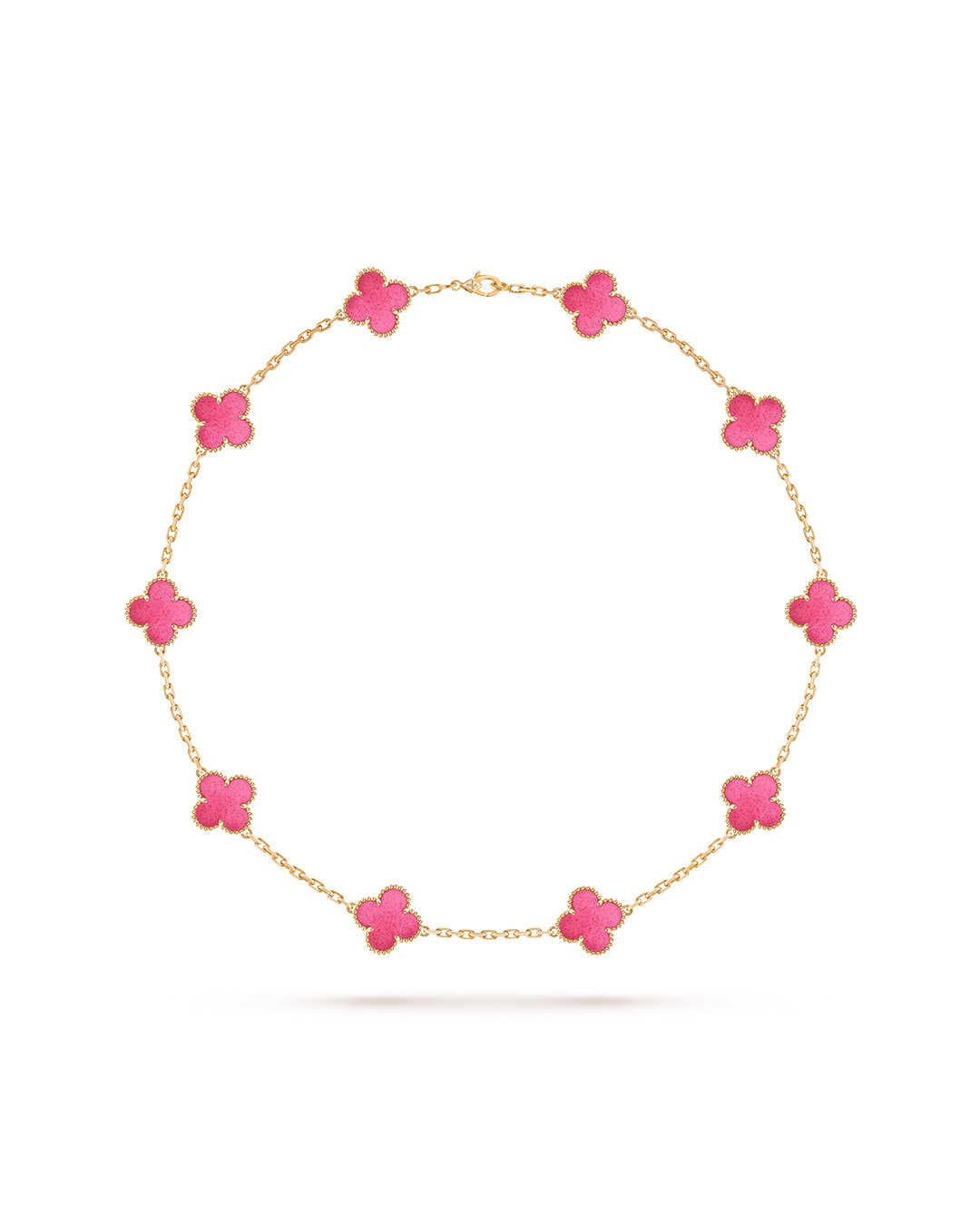
This evolution mirrors a broader cultural recalibration, one we explored in Fashion's Most Accomplished Rise With Quiet Authority. The women who defined the aughts wore their accessories as badges of membership. The modern muse, by contrast, layers a Van Cleef Alhambra ten motifs deep, stacking Cartier's new Love Unlimited in fluid gold against a Tiffany HardWire bracelet. The pieces remain iconic, but the attitude has shifted from declaration to composition. It is not about owning the symbol; it is about how you arrange it within your own visual language.
What is most striking is how little the designs themselves have changed. The Fendi Baguette Re-Edition is essentially the same bag Carrie Bradshaw held to the sky. The Chloé Paddington returns in tweed with its signature padlock intact. The Miu Miu Coffer's matelassé leather lives on in the east-west Arcadie. These are not reinventions; they are recontextualizations. The pieces that felt like trophies in 2005 now feel like heirlooms. The difference is entirely in how we carry them, with the kind of quiet intention we championed in The season's finest pieces, chosen with quiet intention. A Baguette worn with a trench and flat boots reads differently than it did on a red carpet in 2001. It is the same object, but the energy is softer, more personal.
The practical takeaway for our reader is clear: the cult accessory is not dead, but its value has migrated from recognition to resonance. The 2026 iteration of an It piece earns its place not because everyone knows what it is, but because it fits the rhythm of a considered wardrobe. The question to ask yourself is not whether a piece is iconic, but whether it feels like yours. That is the only metric that matters now.